
Rideshare Mission Overview
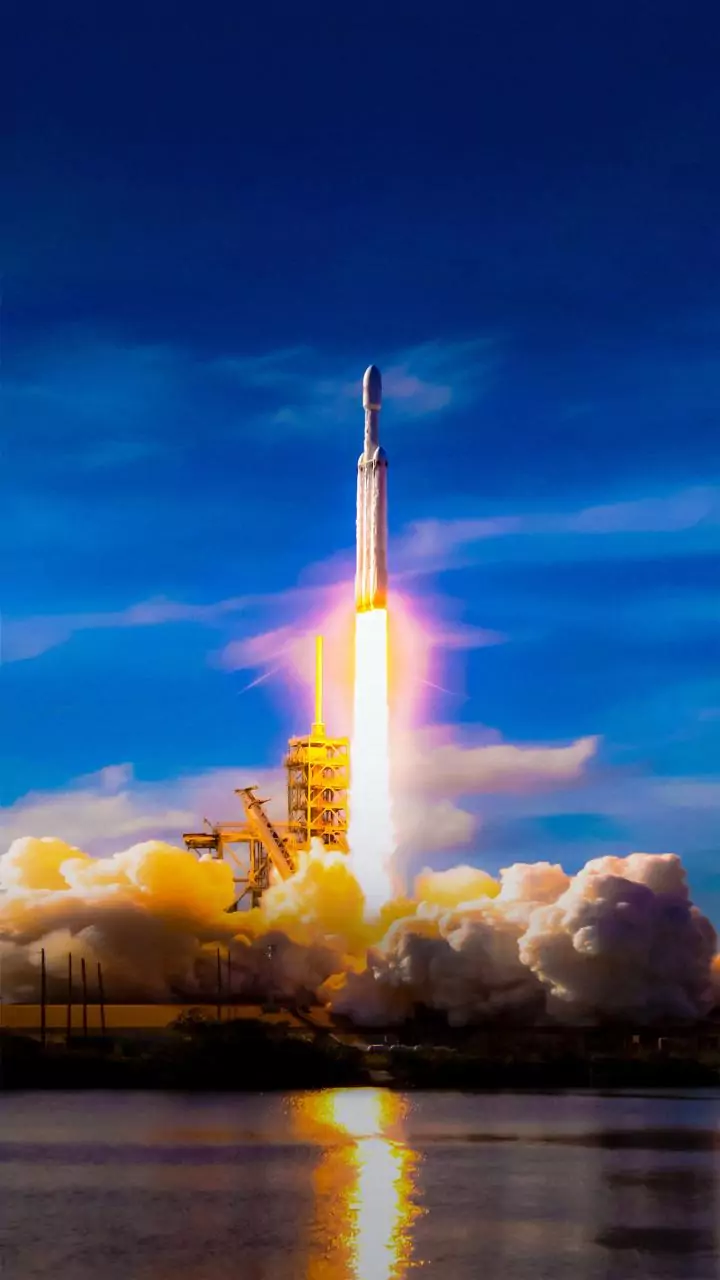
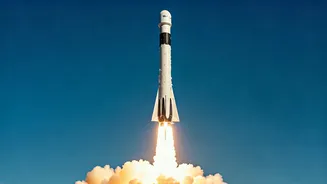
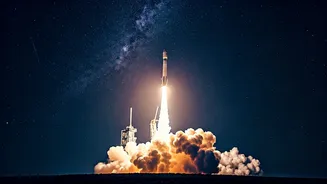
The SpaceX rideshare missions have revolutionized access to space for a wide array of payloads. This specific mission provided a launch platform for a diverse
set of satellites, including those designed for scientific research and commercial applications. The utilization of a single launch vehicle for multiple payloads efficiently reduces costs and launch times for all participants. These rideshare programs significantly democratize space, allowing smaller organizations and research institutions to send their projects into orbit alongside larger, established entities. This approach fosters collaboration and innovation within the space sector, promoting a more dynamic and accessible environment for space-based activities. The event represented a continuation of SpaceX's commitment to making space more accessible and affordable for a global audience.
NASA Astrophysics Payloads
This mission carried important astrophysics payloads developed by NASA. These instruments are designed to conduct a variety of experiments. The goal of these experiments is to provide insights into the nature of the universe. These experiments contribute to our overall understanding of cosmic phenomena. The data collected by these payloads are invaluable for advancing scientific knowledge and developing new technologies. This launch underscored NASA's continued dedication to pushing the boundaries of space exploration. By utilizing rideshare programs, NASA is able to more efficiently and cost-effectively deploy its scientific instruments. The success of this launch represented a significant step forward in space-based research, enabling scientists to observe and study the universe with unprecedented precision.
Commercial Satellite Launches
Alongside the NASA payloads, the SpaceX rideshare mission also included several commercial satellites. These satellites are designed for various applications, including communications, Earth observation, and remote sensing. The inclusion of commercial satellites shows the growing demand for space-based services. The rideshare model is particularly attractive for commercial operators due to its cost-effectiveness and scheduling flexibility. This allows companies to quickly deploy their technologies and bring their products to market. Commercial space activities are vital to the growing space economy. They contribute to technological advancement and create new opportunities for investment and growth. The launch event illustrated the expanding commercial presence in space, which is critical for future development.
5G Tests on Orbit
During the mission, Tyvak International's LIDE satellite successfully completed its initial on-orbit 5G tests. This marks a critical milestone in space-based communication technologies. These tests demonstrated the feasibility and potential of delivering 5G connectivity from space. The results of the tests will inform the development of future space-based communication networks. This could potentially deliver more reliable and widespread internet access. The integration of 5G capabilities within satellite systems has the potential to transform numerous industries. It can enable advanced applications such as autonomous vehicles, remote healthcare, and precision agriculture. The successful completion of the tests is a sign of technological advancements.
Program Management Appointment
The space sector is continually evolving with new leadership, and the appointment of Michael Vishion as Vice President of Program Management at Terran Orbital reflects this. This appointment indicates the increasing complexities and requirements of managing space programs. Vishion's role will be vital for ensuring the successful execution of projects. This highlights the growing significance of effective program management in the space industry. The focus on program management signifies the maturity and professionalism of space companies. It's a key factor in driving innovation and competitiveness within the space sector. This highlights the importance of experienced leadership for growth.