





The Mystery of Yawning
Yawning is a universal human experience, often associated with feelings of tiredness, boredom, or the transition between sleep and wakefulness. While its
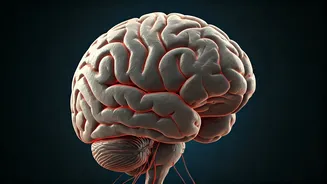
primary function might be to regulate brain temperature or alertness, a more intriguing aspect of yawning is its contagious nature. This phenomenon, where one person's yawn can prompt another to yawn, is not just a mere coincidence but a fascinating biological response. It's a common sight in various settings, from classrooms to family gatherings, where a single yawn can initiate a chain reaction, making it feel as though yawns are effortlessly transmitted between individuals. Scientists have long been intrigued by this peculiar habit, and their investigations reveal profound insights into the intricate ways our brains are wired to connect with each other.
What is a Yawn?
At its core, a yawn is a deliberate, deep inhalation accompanied by a wide opening of the mouth, followed by a slow exhalation. This physiological action is most commonly observed when our bodies signal fatigue, such as upon waking or before going to sleep. However, the prevailing scientific theory suggests that yawning plays a crucial role in maintaining optimal brain function. The deep intake of air replenishes the body with oxygen, and the expansion of the lungs might also contribute to cooling the brain, thereby enhancing alertness. Yet, beyond its potential physiological benefits, yawning possesses another peculiar characteristic: its propensity to spread from one person to another, a trait that has captivated researchers for decades and points to deeper neurological mechanisms at play.
Contagious Yawning Explained
The phenomenon of contagious yawning, where witnessing another person yawn triggers an involuntary yawn in the observer, is a testament to our brain's remarkable ability to mimic actions. This 'copycat' response is not limited to yawning; it extends to other behaviors like stretching, laughing, or smiling. When our brains perceive these actions, they can initiate a subtle neurological impulse, prompting us to replicate them. In the case of yawning, the visual cue of an open mouth and the characteristic deep breath can activate this mirroring response. This process occurs with incredible speed and often happens subconsciously, demonstrating an immediate and intuitive connection between individuals through observed behavior.
The Brain's Mirror System
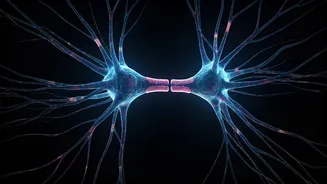
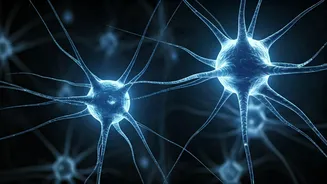
At the heart of contagious yawning lies the brain's sophisticated 'mirror system,' comprised of specialized neurons known as mirror neurons. These neurons fire both when an individual performs an action and when they observe someone else performing the same action. For instance, seeing someone clap, smile, or yawn can activate these mirror neurons, as if the observer were about to engage in the same activity. This neural mechanism is fundamental to our capacity for learning through observation, enabling us to quickly grasp new skills and social cues. Consequently, the activity of mirror neurons provides a clear explanation for why yawning so readily propagates through groups, as our brains are inherently primed to reflect and emulate the actions of those around us.
Empathy and Social Bonds
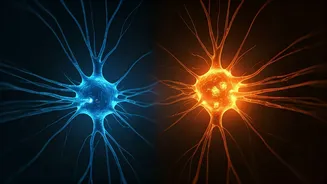
Intriguing research has revealed that contagious yawning is not randomly distributed; it tends to be more prevalent among individuals who share closer relationships. We are more likely to 'catch' a yawn from friends, family members, or classmates than from complete strangers. This heightened susceptibility is strongly linked to empathy, the capacity to understand and share the feelings of others. Our brains naturally prioritize and pay closer attention to individuals with whom we have a strong emotional connection. Therefore, when someone familiar yawns, our brain is more attuned to the cue and quicker to respond with a mirrored yawn. In essence, this common reflex serves as an subtle indicator of our social interconnectedness and the depth of our bonds.
Contagious Yawning in Animals
The fascinating phenomenon of contagious yawning is not exclusive to humans; it has also been observed in the animal kingdom. Scientists have documented this behavior in various species, including dogs, who often yawn after their owners do, and chimpanzees, our closest evolutionary relatives, who exhibit similar contagious yawning patterns. The presence of this trait across different species suggests that contagious yawning might be an ancient mechanism associated with social bonding and group cohesion. Animals that live in close-knit social structures frequently mirror each other's actions, which can strengthen their collective ties and facilitate coordinated behavior, underscoring the deep evolutionary roots of this seemingly simple reflex.
A Tiny Habit, Big Insights
While a yawn might appear to be a simple, unconscious bodily function, its contagious nature offers profound insights into the intricate workings of the human brain and our social nature. It illustrates how our brains are constantly processing, learning from, and reacting to the actions of others. This mirrors the way laughter can spread through an audience, smiles can pass from person to person, and yawns can silently transfer within a group. The next time you find yourself yawning after someone else does, remember that it's not a mere coincidence or a sign of fatigue alone. It's a powerful, yet subtle, demonstration of the deep and inherent connections that bind us together as social beings.