







Digital Civic Overhaul
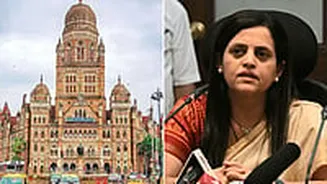
The Mumbai civic administration is actively implementing advanced technological solutions to enhance efficiency and expedite public services. A key development
is the creation of an Integrated Law Management System (ILMS), designed to significantly speed up the resolution of ongoing legal cases that often cause delays in various civic initiatives. Furthermore, to improve the accessibility of civic services, a common dashboard is being established. This centralized platform will allow citizens to lodge their complaints and requests more effectively, ensuring quicker response times. Complementing these efforts, Mumbai will benefit from a sophisticated 3D Geographic Information System (GIS) map of the city. This detailed spatial data will be instrumental in conceptualizing, planning, and executing numerous urban development projects with greater precision and foresight, ensuring that infrastructure is built where it's needed most and with optimal resource allocation.
Augmenting Water Resources
Ensuring a robust and consistent water supply for Mumbai's growing population is a top priority, with significant initiatives underway to boost potable water availability. A major project involves the construction of a desalination plant at Manori, tasked with treating 200 million liters per day (MLD) of saline seawater to make it suitable for drinking. There are also plans to eventually double the plant's capacity to 400 MLD. This ambitious undertaking promises to substantially increase Mumbai's daily water supply, fulfilling a key pledge made during the recent civic elections. In parallel, the sewage operations department is accelerating the development of seven state-of-the-art Sewage Treatment Plants (STPs) across the city. Collectively, these STPs are engineered to recycle 2,464 MLD of wastewater daily, which will also contribute significantly to the overall water availability and reduce reliance on fresh water sources, thereby bolstering the city's resilience.
Critical Water Conveyance
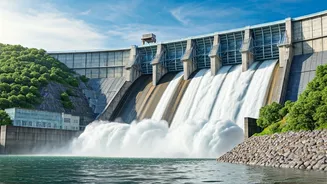
To further strengthen the city's water infrastructure and ensure efficient distribution, the focus is on expediting the construction of vital water conveyance tunnels. Authorities have been directed to prioritize the completion of tunnel projects connecting key areas, specifically the link between Amar Mahal and Trombay, and the tunnel from Kasheli to Mulund. These tunnels are designed not only to increase the overall capacity for delivering water to Mumbai but also to minimize water loss through leakages from aging pipelines. By investing in these modern underground conduits, the city aims to achieve a more reliable and continuous water supply, reducing the frequency of disruptions and ensuring that more treated water reaches consumers effectively, enhancing the overall water management system.