




Natural vs. Lab-Grown
The landscape of diamond purchasing has evolved, offering consumers more diversity than ever before. It's important to understand that lab-grown diamonds
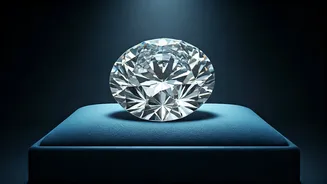
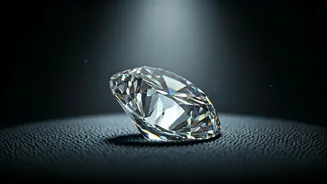
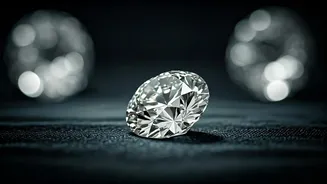
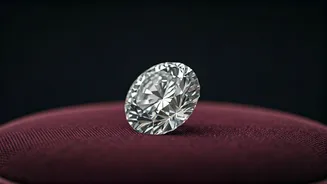
are not imitations; they possess the identical chemical makeup and visual appeal as their naturally occurring counterparts. The sole distinction lies in their genesis – one is formed over millennia deep within the Earth, while the other is meticulously cultivated in a controlled laboratory setting. This controlled creation process typically translates to a more accessible price point for lab-grown diamonds. Therefore, the decision hinges on personal preference: do you value the traditional allure and inherent value associated with a natural stone, or does a more economically viable, yet equally beautiful, lab-grown option better suit your needs? Making this foundational choice early on will significantly streamline your subsequent decisions and enhance the overall buying experience.
Shape's Price Impact
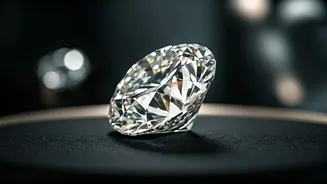
Many first-time diamond buyers are often surprised to learn how significantly the shape of a diamond can influence its cost. The round brilliant cut remains the most sought-after shape, lauded for its exceptional brilliance and sparkle. However, this popularity comes at a premium. The intricate cutting process required to achieve this perfectly symmetrical form results in a greater loss of rough diamond material, which directly contributes to its higher price tag. For those willing to explore beyond the classic round, a world of 'fancy shapes' awaits. Options like oval, cushion, emerald, pear, and princess cuts often provide excellent value. These alternative cuts can appear visually larger for the same carat weight compared to a round diamond, and crucially, they are typically priced more affordably, allowing you to maximize impact without necessarily increasing your budget.
Mastering the 4 Cs
To truly understand a diamond's worth and make an informed decision, becoming fluent in the '4 Cs' is indispensable. These four critical attributes – cut, colour, clarity, and carat – are the universal language of diamond valuation. The 'cut' is arguably the most paramount factor, as it dictates the diamond's scintillation and brilliance; even a stone of substantial size and fine colour can appear lifeless if its cut is subpar. 'Colour' refers to the absence of hue, with the most desirable diamonds appearing virtually colourless. 'Clarity' assesses the presence of internal inclusions or external blemishes, essentially the diamond's purity. Finally, 'carat' denotes the diamond's weight, which is often misunderstood as solely indicative of size. A thorough understanding of these elements empowers you to assess a diamond's quality accurately and negotiate effectively.
The Paperwork Imperative
Just as you wouldn't purchase a significant asset without verifiable documentation, buying a diamond demands irrefutable proof of its authenticity and quality. Always insist on receiving a grading certificate from a reputable gemological laboratory. Prestigious institutions such as the Gemological Institute of America (GIA) or the American Gem Society (AGS) are widely recognized as the industry's gold standard for diamond appraisal. This certificate acts as the diamond's official identity card, meticulously detailing its characteristics and confirming the specifications provided by the seller. It serves as an independent verification of the diamond's cut, colour, clarity, and carat weight, offering peace of mind and ensuring that your investment is precisely what it claims to be.
Smart Budgeting Strategies
Forget the archaic 'two-month salary' dictate; it's an outdated marketing myth that no longer applies to modern diamond acquisition. Your budget should be determined by your personal financial comfort and what you realistically intend to spend, not by arbitrary historical rules. Once you've established a firm budget, the key is to allocate your funds wisely. This involves making strategic compromises. You might consider a slight concession on colour or clarity, particularly if any imperfections are invisible to the naked eye. This flexibility allows you to prioritize other aspects, such as securing a superior cut or opting for a slightly larger stone, all while staying within your financial parameters. Ultimately, purchasing a diamond is a personal journey, and with knowledge and a clear plan, it transforms from an intimidating task into an exciting celebration.