



Understanding Congenital Heart Defects
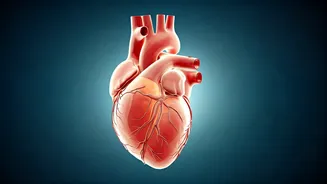
Congenital heart disease (CHD) refers to structural abnormalities in a baby's heart that are present from birth. These defects develop during the crucial
first three months of pregnancy when the heart's formation is underway. Issues such as a hole between the heart chambers, problems with the heart valves, narrowed or blocked blood vessels, or an overall abnormal heart structure can arise. While some CHD cases are minor and easily managed, others can be complex and pose serious threats to an infant's life. Experts estimate that approximately 1 in every 100 newborns experiences some form of CHD, making it a considerable public health concern, particularly in densely populated nations like India where the sheer volume of births amplifies the prevalence. Crucially, these symptoms don't always manifest immediately; they can emerge weeks, months, or even years after birth, underscoring the need for ongoing parental vigilance.
Blue Tint
A sudden appearance of a bluish hue on your baby's lips, tongue, or fingernails is a critical red flag that demands immediate medical attention. This discolouration, known as cyanosis, indicates that the baby's blood is not receiving enough oxygen. This can happen when the heart isn't effectively pumping oxygenated blood throughout the body, a common consequence of certain congenital heart defects. It's a visible sign that the circulatory system is struggling. If you notice this change, don't delay; seek emergency medical care right away. This symptom is one of the most direct indicators of a significant problem with the heart's ability to oxygenate the blood, and prompt intervention is paramount to prevent severe complications.
Feeding Difficulties
Observe your baby closely during feeding sessions. If they become noticeably tired or experience shortness of breath while breastfeeding or taking a bottle, it could signal an underlying heart issue. A baby with CHD might expend an excessive amount of energy just to eat, leading to rapid fatigue. The strain on their small body can cause them to breathe faster or appear winded. This is because the heart may be working harder than it should, impacting the baby's ability to take in sustenance comfortably. This symptom is often subtle and can be mistaken for general fussiness, but persistent difficulty during feeding warrants a thorough medical evaluation to rule out heart problems.
Struggling to Gain Weight
While many factors can influence a baby's weight gain, consistently poor growth can sometimes be an indicator of a heart condition. When a baby's heart is working harder due to a defect, it can affect their overall metabolism and energy levels, making it difficult for them to gain weight as expected. The body might be prioritizing essential functions over growth. It’s important to consult a pediatrician if your baby isn't meeting their growth milestones. They can assess whether the poor weight gain is due to nutritional issues, digestive problems, or a more serious underlying condition like CHD that requires specific treatment to ensure proper development.
Frequent Illnesses
If your baby or young child seems to be catching colds, developing a cough, or experiencing bouts of pneumonia more often than is typical, it might be more than just a simple infection. Recurrent respiratory illnesses can sometimes be a sign that the heart isn't functioning optimally. When the heart struggles to pump blood efficiently, fluid can back up in the lungs, making them more susceptible to infections. This can lead to a cycle of frequent sicknesses. This symptom requires careful attention, as it can mask a more significant cardiac issue that needs to be addressed to improve the child's overall health and reduce their vulnerability to infections.
Rapid Breathing and Heartbeat
An unusually fast breathing rate or a rapid heartbeat in an infant should not be dismissed. These symptoms can indicate that the heart is under strain and working overtime to circulate blood. When the heart muscle is weakened or there's a structural defect, it may compensate by beating faster and breathing more rapidly to try and meet the body's oxygen demands. Parents should be attuned to their baby's normal resting respiratory and heart rate and seek medical advice if they observe a persistent and significant increase. This symptom is a direct sign of the heart's struggling function and requires prompt medical assessment.
Tiring Easily or Fainting
For older babies and toddlers, signs of heart problems can manifest as extreme fatigue during play or even episodes of fainting. If your child tires out much quicker than their peers during physical activities or collapses unexpectedly, it could be indicative of compromised heart function. The heart might not be able to supply enough oxygenated blood to the muscles and brain during exertion. These events, especially fainting, are serious and require immediate medical evaluation to determine the cause, which could be related to congenital heart disease affecting their circulation and stamina.