

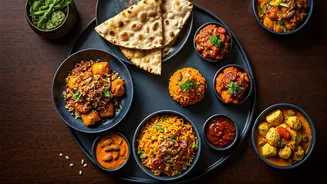

Diversity of Flavors
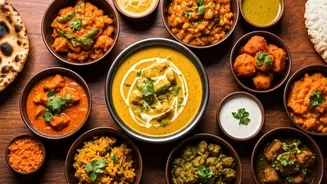
Indian cuisine is not a single entity; it's a vast mosaic of flavors shaped by geography, culture, and tradition. Across India, the dishes vary significantly,
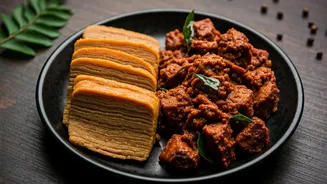
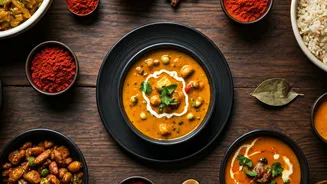
influenced by the local ingredients and cooking methods of each region. From the fiery curries of the South to the milder, creamy dishes of the North, the variety is staggering. The use of spices is fundamental, with each region having its own unique spice blends that give the food its distinct character. Moreover, the style of cooking, whether it's grilling in a tandoor, slow-cooking in a handi, or tempering with hot oil, adds another layer of complexity to the taste. This diversity allows for a broad culinary exploration that caters to every palate, making Indian food universally appealing.
Essential Spice Profiles
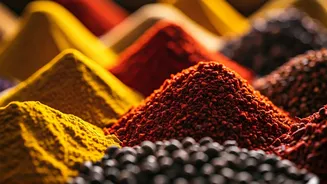
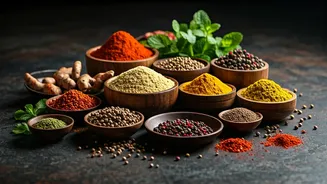
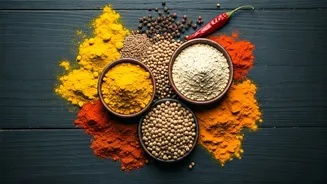
Spices are the soul of Indian cuisine, contributing not just flavor, but also aroma, color, and even medicinal properties. Essential spices include turmeric, known for its vibrant yellow color and anti-inflammatory benefits; cumin, which lends a warm, earthy taste; coriander, providing a citrusy and refreshing note; and chili peppers, that add varying degrees of heat. Garam masala, a blend of roasted spices, is another cornerstone, often added towards the end of cooking to enhance the flavor. The art of using spices lies not just in their addition, but in their precise combination and the timing of their introduction to the dish. Spices are often toasted or fried in oil to release their essential oils, unlocking their full flavor potential and contributing to the overall complexity of the dish.
Key Ingredients Unveiled
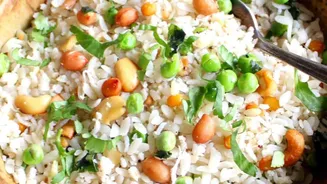
Beyond spices, several other ingredients are central to Indian cooking. Lentils (dal) are a staple, forming the base of many dishes, providing both protein and texture. Rice is equally important, particularly basmati, which is prized for its long grains and fragrant aroma. Different types of flours, such as wheat and gram flour (besan), are used to create bread like roti and paratha, as well as savory snacks. Dairy products, including ghee (clarified butter), yogurt, and paneer (Indian cheese), are widely used to add richness and creaminess to curries and other dishes. Vegetables play a significant role, with seasonal produce like eggplant, okra, and spinach being incorporated in various regional specialties. The choice and combination of these ingredients vary widely, reflecting regional preferences and the availability of local produce.
Cooking Techniques Explained
Indian cooking uses a variety of unique techniques. Tandoor cooking, where food is cooked in a clay oven, is a signature method, known for infusing dishes with smoky flavors. Slow-cooking, often done in a pot called a handi, allows flavors to meld and deepen over time, creating rich, complex curries. Tempering is a crucial step, involving the heating of oil with spices to release their flavors before adding them to the dish. Frying is used for creating crispy snacks and deep-frying items like samosas and pakoras. Grinding spices fresh using a mortar and pestle or a wet grinder is very common for preparing spice pastes. Each of these methods imparts distinct flavors and textures, playing a vital role in defining the character of Indian dishes. The mastery of these techniques is a key to recreating authentic Indian flavors in any kitchen.
Regional Cuisine Overview
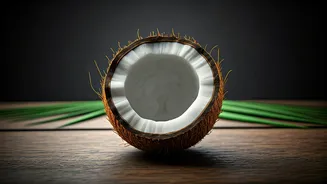
India's culinary landscape is as diverse as its geography. North Indian cuisine, influenced by the Mughal era, often features rich, creamy curries, breads like naan and paratha, and tandoori dishes. South Indian food emphasizes rice, lentils, and the use of coconut, with a focus on dishes such as dosas, idlis, and sambar. West Indian cuisine, influenced by the coastal regions, showcases seafood, spicy curries, and unique snacks like vada pav. East Indian food, on the other hand, is known for its sweet and savory fish curries, rice dishes, and desserts like rasgulla. Each region has its own specialties, shaped by local ingredients and cultural influences, offering an extensive range of tastes and culinary experiences that reflect the rich heritage of the country.
Tips for Authentic Experience
To fully enjoy Indian food, consider these tips. Start by exploring different regional cuisines to discover your favorite flavors. Experiment with spices, starting with milder options and gradually increasing the heat. When cooking at home, source fresh, high-quality ingredients, including both spices and produce. Visit local Indian restaurants and sample a variety of dishes to widen your palate. Be open to trying new flavor combinations and textures, allowing yourself to discover new preferences. Learn about the cultural significance of food in India, as meals are often a communal experience. Also, learn the art of pairing dishes with the right accompaniments like rice, naan, or raita to enhance the overall experience. By embracing these practices, you can cultivate a deeper appreciation for the beauty of Indian cuisine.