







The Water Immersion Test
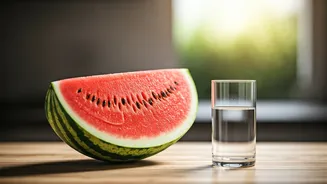
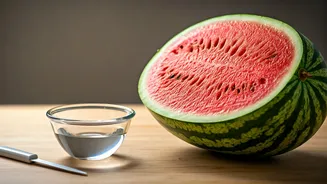
A straightforward approach to uncover potential chemical treatments involves submerging fruits and vegetables in water for a brief period. If the water's
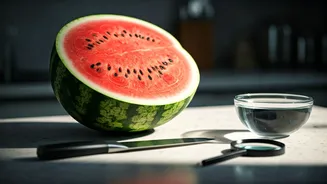
clarity diminishes, becoming discoloured or developing a slick, oily sheen, it's a strong indicator that artificial coatings or dyes might be present on the produce's surface. This is particularly useful for items like watermelons; by placing a small segment of the pulp into a glass of water, one can observe the water's reaction. Should the water rapidly turn pink or red, it's a signal for consumers to exercise caution and consider the fruit's origin and treatment before consumption, as this could point to the use of unauthorized coloring agents.
Cotton Swab Color Check
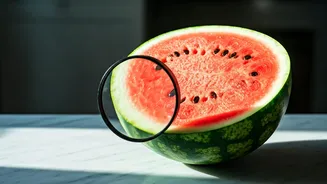
For fruits with vibrant, natural colours, a simple rub with a white cotton ball or tissue can reveal hidden artificial dyes. This method is especially effective for items like watermelons. By gently rubbing the flesh with a white swab, you can check for the transfer of colour. If the cotton immediately turns a bright pink or red, it suggests the presence of synthetic colorants, such as Rhodamine B or Erythrosine, which are sometimes used to enhance appearance. Naturally coloured fruits typically leave little to no residue on the swab, providing a clear contrast and indicating a more natural state.
Sensory Evaluation Guide
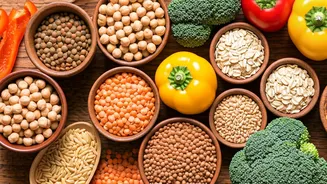
Beyond visual cues, engaging your senses can help identify produce that has undergone artificial ripening or chemical treatment. Fruits that have been chemically ripened often lack their characteristic natural aroma, or conversely, might emit a faint chemical scent. Their appearance can be unnervingly uniform in colour and unnaturally shiny, sometimes displaying subtle signs of injection marks or small cracks where substances may have been introduced. It's also wise to be wary of produce that feels excessively hard despite a vibrant colour, or if there's a noticeable powdery residue on the skin, which could be a sign of artificial waxing or treatment.
Thorough Cleaning Practices
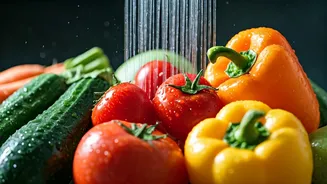
Even after purchase, proper preparation is key to minimizing exposure to surface chemicals. Experts advocate for washing fruits and vegetables diligently under running water, rather than just a quick wipe. Soaking produce in a solution of salt water or baking soda for several minutes can aid in reducing residual pesticides and other surface contaminants. Furthermore, peeling certain fruits and vegetables is an effective way to remove layers of wax or chemicals that are often applied for preservation during transport and storage, offering an added layer of safety and assurance.