




When to Explore
The Galápagos Islands offer a pleasant climate throughout the year, with two primary seasons. The warm period, spanning from December to May, is characterized
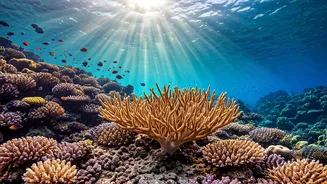
by calmer waters, making it ideal for underwater activities like snorkeling and diving. During this time, you'll experience temperatures ranging from 30–34°C (86–93ºF) with sea temperatures around 28ºC (82ºF). Conversely, the cooler season, from June to November, brings stronger winds and slightly cooler air temperatures but remains an excellent time for wildlife viewing as many species are active and breeding. Regardless of the season, you can expect approximately 12 hours of daylight daily, ensuring ample time for exploration.
Reaching Paradise
Your journey to the Galápagos Islands begins on mainland Ecuador, with flights departing from Quito or Guayaquil. These flights land at either Baltra Island (GPS) or San Cristobal Island (SCY). Upon arrival, you'll be required to pay the Galápagos National Park entrance fee, currently set at $200 for adults from outside Ecuador and payable in cash. After this, you'll connect with your chosen mode of transport, whether it's a cruise ship or a transfer to your accommodation on one of the inhabited islands. Remember to factor in the Transit Control Card, costing $20, which is also a mandatory requirement.
Island Hopping Logistics
Navigating between the Galápagos Islands is typically managed via small aircraft or inter-island ferries. If you're embarking on a cruise, all your inter-island transit and access to visitor sites will be conveniently included. For those opting for a land-based adventure, you can utilize water taxis or ferries to travel between key islands such as Santa Cruz, Isabela, and San Cristobal. Ferries are a more economical but slower option, with journeys like the Santa Cruz to Isabela route taking approximately 2–2.5 hours, compared to a 30-minute flight. Be prepared for potentially bumpy rides and consider bringing anti-seasickness medication. Flights between islands are a quicker alternative but come with higher costs and strict baggage weight limits, usually between 11–13kg.
Essential Packing List
To fully enjoy your Galápagos adventure, pack light, quick-drying clothing suitable for a warm, equatorial climate. Essential items include swimwear, a wide-brimmed hat, sunglasses, high-SPF sunscreen (reef-friendly is recommended), and insect repellent. Comfortable walking shoes are a must for exploring the islands, along with sturdy sandals or water shoes for boat landings. A reusable water bottle is crucial for staying hydrated. Protect your electronics with a waterproof bag or dry bag, and consider bringing binoculars and a camera with a long lens to capture the incredible wildlife. Don't forget any personal medications and a basic first-aid kit.
Thrilling Activities
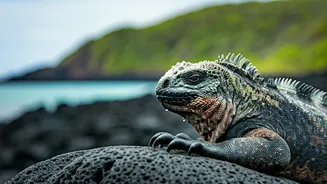
The Galápagos Islands offer a world-class array of activities centered around its unique wildlife. Snorkeling and diving are paramount, providing opportunities to swim alongside playful sea lions, majestic sea turtles, marine iguanas, and a vibrant array of fish. Hiking trails wind through volcanic landscapes and lush highlands, leading to close encounters with giant tortoises and land iguanas, as well as spotting endemic birdlife like blue-footed boobies. Kayaking, panga boat rides, and photography are also popular ways to immerse yourself in the natural beauty. For those interested in conservation and evolution, visiting the Charles Darwin Research Station is highly recommended.
Conservation First
Visiting the Galápagos Islands comes with a significant responsibility to protect its fragile ecosystem. It is imperative to adhere strictly to the Galápagos National Park rules. This includes staying on marked trails, maintaining a respectful distance from all wildlife, and never feeding or touching animals. Avoid using flash photography, as it can disturb the animals. Do not take anything from the islands, not even sand or plant matter, and ensure you do not transport anything between islands, as this can introduce invasive species. Support local businesses and choose tour operators committed to eco-friendly practices to help preserve this UNESCO World Heritage site for future generations.