
Growth & Employment
The budget strategically focuses on fueling both economic growth and job creation, setting the stage for a period of expansion. The primary objective is
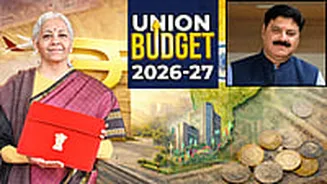
to enhance India's economic standing, aiming for a consistent and sustainable trajectory. This is achievable through key initiatives, including investments in infrastructure and targeted support for sectors with high employment potential, such as manufacturing and logistics. The budget seeks to foster an environment conducive to business growth, with various measures to stimulate the economy. The aim is not just to create jobs but also to ensure they are sustainable and offer long-term prospects. This approach underscores a commitment to equitable growth where all sections of society benefit from the nation's economic progress. Emphasis will be placed on promoting skill development and education, preparing the workforce for the demands of the modern economy. The government aims to foster an environment of fiscal stability and responsible spending to create a conducive environment for sustainable growth and long-term economic resilience. Furthermore, the Union Budget 2026-27 seeks to boost sectors like MSMEs and rural economies, providing them with necessary resources and opportunities for expansion. This holistic approach signals the government's commitment to inclusive economic development, where no one is left behind. This will play a crucial role in improving living standards and overall economic prosperity in India.
Manufacturing Boost
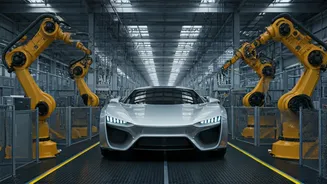
Manufacturing continues to be a central focus, with an array of measures intended to propel the sector to new heights. Budgetary allocations are targeted at boosting domestic production and making India a global manufacturing hub. Specific incentives and policy reforms are designed to attract investments in key industries, enhancing their competitiveness. The government is expected to provide financial assistance and streamlined regulatory processes, making it easier for manufacturers to operate and expand their operations. Rare earth corridors are planned to be set up, indicating a strategic move toward self-reliance in critical resources for manufacturing. These initiatives aim to reduce reliance on imports and fortify supply chains. Increased emphasis is placed on supporting MSMEs, recognizing their role in job creation and economic growth. This includes tax benefits, access to finance, and streamlined regulatory procedures. Investment in infrastructure is intended to support the manufacturing sector. This includes the development of industrial corridors, logistics infrastructure, and improved transport networks. The strategy is to integrate the manufacturing sector into the global value chain, with the potential to stimulate economic activity and employment throughout the country. With these ambitious goals, the Union Budget 2026-27 aims to position India as a leading manufacturing destination. The goal is to provide a boost across several manufacturing segments and enhance India's industrial capability and international competitiveness.
Infrastructure Push
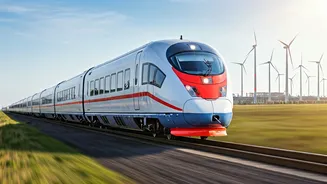
Infrastructure development remains a core component of the budget, with significant investments planned to improve transport, energy, and communication systems across India. This commitment shows the government's recognition of infrastructure as a driver for economic growth and competitiveness. Enhanced transportation networks and upgraded logistics infrastructure are intended to reduce costs and boost the efficiency of goods movement across the country. These measures are designed to facilitate ease of doing business and encourage both domestic and international trade. Focus is also placed on developing renewable energy sources and enhancing energy infrastructure to support sustainable development. Investment in digital infrastructure is planned to enable digital services and innovation, fostering technological advancement and connectivity. The budget includes provisions for smart city projects and urban infrastructure, aiming to improve living standards and promote economic activity. The push towards infrastructure not only boosts the economy by creating jobs but also attracts investment and improves the quality of life. The budget’s commitment to building and maintaining physical infrastructure sets the foundation for India's long-term economic advancement. The focus is to make India's infrastructure world-class.
Fiscal Consolidation
Fiscal consolidation is a key priority, which is aimed at ensuring the long-term stability and sustainability of the Indian economy. The goal is to maintain and enhance the government's financial discipline by reducing the fiscal deficit and managing public debt responsibly. The budget anticipates improved revenue collection through enhanced tax administration and compliance, to reduce reliance on borrowing. The government is committed to controlling expenditure, through measures like prioritizing spending on essential areas, eliminating wasteful expenditures, and optimizing resource allocation. The aim is to create a predictable and transparent fiscal environment that encourages investment and economic growth. Rationalization of subsidies and the efficient use of public funds are also important parts of the fiscal strategy. These actions seek to improve the quality of government finances and reduce the burden on future generations. In addition, the government focuses on managing its debt levels to reduce the risks associated with excessive borrowing. These steps are considered essential to maintaining investor confidence, promoting economic stability, and fostering sustainable long-term growth. The Union Budget 2026-27 signals a commitment to responsible fiscal management. The aim is to create a robust and resilient economic framework capable of withstanding global economic challenges.
Sector-Specific Highlights
Several sectors are set to benefit directly from the Union Budget 2026-27 through a combination of targeted investments and policy initiatives. The cement and textile industries will receive targeted assistance through infrastructure and other announcements, fostering growth and job creation within these vital sectors. The agriculture sector is in line for technical advancements and veterinary expansion, aimed at increasing productivity and efficiency. The Union Budget includes provisions to support dairy and cooperatives, encouraging growth and development within the agricultural value chain. The focus on MSMEs and the rural economy reflects an inclusive growth strategy, ensuring that small businesses and rural communities get resources and opportunities. The emphasis on the healthcare sector is strengthened by the focus on mental health and cancer treatment, showing a commitment to public well-being. Tax reforms and incentives, such as the proposed changes to home loan interest deductions, have been introduced in the budget, impacting individuals and specific industries. The continued emphasis on logistics will improve supply chains, reduce costs, and support economic activity. Through these varied measures, the government wants to promote balanced growth and development across different sectors of the economy.