



Top 25 Easy Vegetables
For novice gardeners seeking a rewarding experience without the frustration, selecting the right vegetables is paramount. This curated list highlights
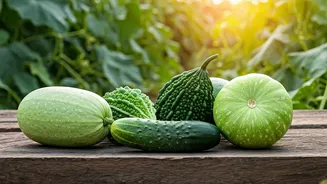
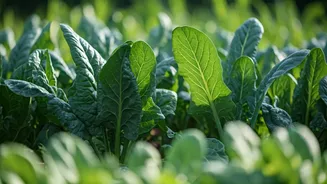
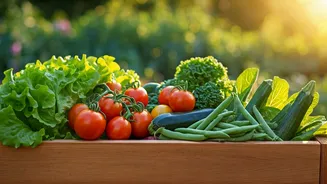
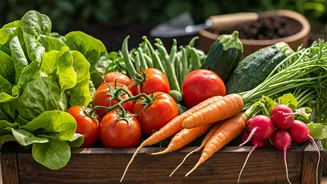
twenty-five varieties renowned for their resilience and straightforward cultivation, ensuring a high success rate for those new to the soil. From the robust carrot, which can be grown in various conditions, to the adaptable spinach, thriving even in partial shade, these options minimize common pitfalls. Peas and beans, for instance, offer a satisfying yield with minimal fuss, while radishes provide quick gratification with their rapid growth cycle. Lettuce and kale are also forgiving, providing continuous harvests with proper care. Even more complex-seeming vegetables like tomatoes and peppers are included, thanks to hybrid varieties developed for ease of growth and disease resistance. Beginners will appreciate crops like zucchini and cucumbers that are notoriously productive. The aim is to build confidence and provide a foundation for more ambitious gardening endeavors in the future, ensuring that the initial foray into growing food is both enjoyable and fruitful, leading to delicious and fresh produce enjoyed straight from your own backyard.
Smart Tool Care
Maintaining your garden tools is crucial for both their longevity and the health of your plants. Neglected tools can harbor diseases and pests, which can then be transferred to your garden beds, compromising your harvests. Regular cleaning after each use, especially when dealing with different plant types or diseased foliage, prevents the spread of pathogens. Tools should be washed with soap and water to remove soil and debris. For deeper sanitization, a diluted bleach or disinfectant solution can be used, ensuring thorough rinsing and drying afterward to prevent rust. Sharpening your tools, such as pruners and shovels, is another essential step. Dull blades not only require more effort but also create ragged cuts on plants, making them more susceptible to infection. A sharpening stone or file can restore a keen edge. Furthermore, oiling metal parts with a light oil like linseed or mineral oil after cleaning and drying will protect them from rust and corrosion, particularly during off-season storage. Properly cared-for tools will function more effectively and last for many seasons, saving you money and reducing frustration in the long run.
Strategic Companion Planting
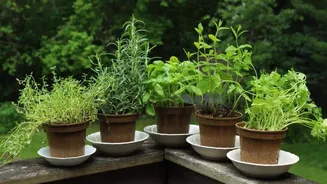
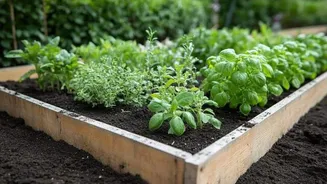
Companion planting is a time-honored gardening technique that leverages beneficial relationships between different plant species to enhance growth and deter pests naturally. Certain plant pairings create a symbiotic environment where one plant's presence helps another thrive. For example, basil planted near tomatoes is known to improve tomato flavor and repel common pests like tomato hornworms and flies. Similarly, rosemary pairs well with carrots, as its strong scent can deter the carrot rust fly. Onions and dill are another excellent combination; the onion's strong aroma masks the scent of dill, protecting it from pests, while dill attracts beneficial insects like ladybugs that prey on aphids. Parsley is a versatile companion, benefiting many crops by attracting beneficial insects. Spinach, often grown in cooler weather, benefits from the shade cast by taller plants and in turn, can deter certain pests from nearby crops. Even flowers play a role; planting marigolds throughout the garden is widely believed to deter nematodes and other soil-borne pests. By understanding these natural alliances, gardeners can create a more resilient and productive ecosystem, reducing the need for chemical interventions and fostering healthier plant development.
Container Gardening Tips
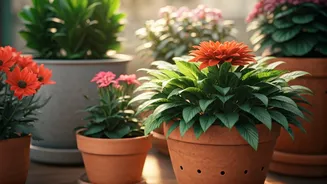
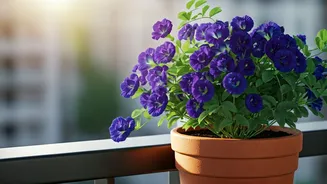
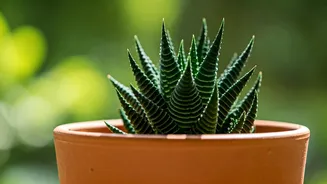
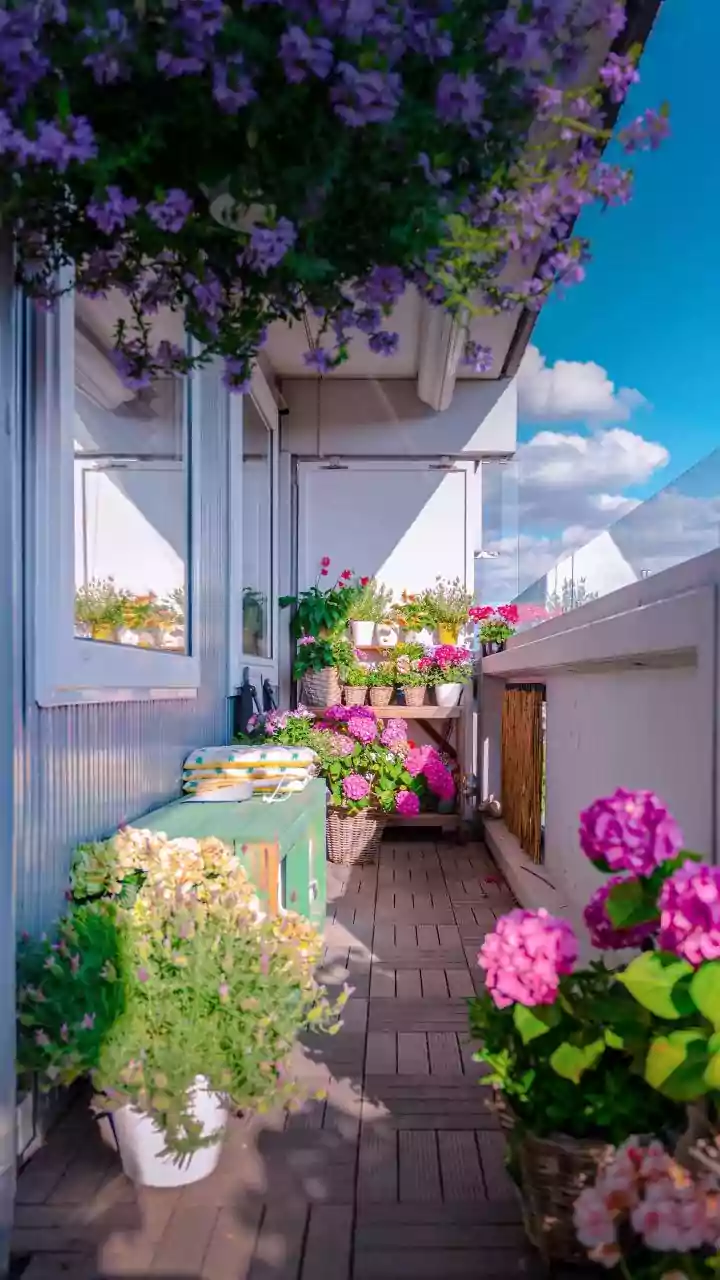
Container gardening offers a fantastic solution for those with limited space or challenging soil conditions, allowing anyone to cultivate a thriving garden. To ensure success, choosing the right containers is paramount; ensure they have adequate drainage holes to prevent waterlogging, which can lead to root rot. Opt for containers that are appropriately sized for the plants you intend to grow, giving roots ample room to expand. The type of potting mix is equally important; avoid using garden soil, which compacts too easily in pots. Instead, use a high-quality, lightweight potting mix designed for containers, which provides good aeration and drainage. Consistent watering is key, as containers dry out more quickly than garden beds. Check the soil moisture regularly by inserting your finger a couple of inches deep. Fertilizing is also crucial, as nutrients in potting mix can be depleted over time. Use a balanced liquid fertilizer or slow-release granules according to package directions. Consider the sunlight requirements of your chosen plants and place containers accordingly, rotating them if necessary to ensure even exposure. For beginners, starting with easy-to-grow herbs and vegetables like lettuce, radishes, and bush beans can build confidence and yield rewarding results.