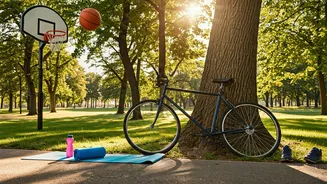








Make Fitness Playful
Shifting the perception of fitness from a chore to an enjoyable pursuit is paramount for engaging teenagers. Instead of viewing exercise as a penalty for misbehavior
or a tedious obligation, parents should champion activities that spark genuine interest and fun. This involves steering clear of rigid gym routines and instead encouraging participation in dynamic sports like football, badminton, cycling, or even lively dance sessions. When physical activity is framed as a hobby or a source of enjoyment, adolescents are far more likely to embrace it willingly, integrating it naturally into their daily lives without feeling pressured. The key lies in making movement a source of pleasure, not a punitive measure.
Balance Screens & Outdoors
In today's digital age, teenagers often find themselves engrossed in screens, be it smartphones, video games, or social media, which can significantly reduce their physical activity levels. It's essential for parents to implement a healthy balance by moderating screen time and actively promoting engagement in outdoor pursuits. This doesn't necessitate a complete digital detox, but rather a mindful integration of both screen-based and physical activities. Encouraging outdoor games and sports not only bolsters physical health but also enriches their social interactions and positively impacts their mood, a critical element for adolescent well-being. Cultivating this balance helps teens stay active and connected to the world beyond their devices.
Lead By Example
Adolescents often mirror their parents' behaviors more readily than they follow their advice, making parental role modeling a powerful tool for encouraging fitness. By actively participating in sports and outdoor activities themselves, parents can serve as inspiring examples for their children. Demonstrating a commitment to personal health through regular exercise, choosing to walk for short errands, practicing yoga, or engaging in sports can profoundly influence a teenager's inclination towards a healthy lifestyle. When parents embody an active and health-conscious attitude, their children are more likely to adopt similar habits, viewing fitness as a desirable and attainable aspect of family life.
Health Over Image
When encouraging physical activity, parents should steer the conversation towards the intrinsic health benefits rather than focusing on physical appearance. Teenagers are often hypersensitive to body image concerns, and any emphasis on achieving a certain look can be psychologically detrimental. Instead, it's more beneficial to highlight how sports and exercise contribute to increased energy levels, improved mood, and overall physical strength. By framing fitness around well-being and vitality, parents can foster a positive and sustainable relationship with physical activity that is centered on health and personal growth, avoiding the pitfalls of societal pressures related to body image.
Set Achievable Goals
Setting overly ambitious fitness targets, such as daily gym visits or extensive running routines, can quickly lead to discouragement and a loss of interest for teenagers. A more effective approach involves setting small, manageable, and realistic goals that foster a sense of accomplishment. Examples include committing to a 20-minute daily walk, participating in a favorite sport twice a week, or incorporating simple home exercises. Achieving these smaller milestones provides positive reinforcement and builds momentum, gradually transforming fitness into a consistent habit rather than a fleeting endeavor. This incremental progress is key to developing long-term healthy lifestyle patterns.