



Morning Warm Water Ritual
Many Indians begin their day by drinking a glass of warm water, a practice deeply rooted in Ayurvedic principles. This simple ritual is believed to gently
cleanse the digestive system, ridding the body of accumulated toxins overnight and preparing it for the day's nourishment. It also serves to stimulate sluggish metabolism, promoting a more efficient start to bodily functions. Furthermore, it contributes to essential hydration, which is crucial for maintaining healthy skin elasticity and overall vitality throughout the day, setting a positive tone for health.
Embrace Seasonal Bounty
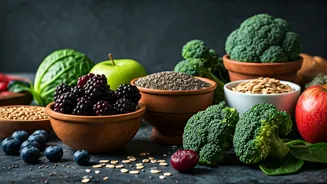
A cornerstone of traditional Indian eating is the consumption of fruits and vegetables that are in season and locally sourced. This approach ensures that the produce is at its peak in terms of nutritional content, natural sweetness, and freshness. For instance, indulging in succulent mangoes during the summer months or enjoying the crispness of guavas in winter provides the body with the specific nutrients it requires to adapt to seasonal changes. By aligning one's diet with the natural cycles of the year, this habit effectively strengthens the immune system and supports overall well-being.
Spices: Flavorful Healers
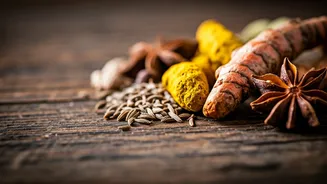
Indian kitchens are renowned for their liberal use of an array of aromatic spices, which are far more than mere flavor enhancers. Ingredients such as turmeric, known for its anti-inflammatory properties; cumin, which aids digestion; and coriander, offering a subtle zest, are integral to daily cooking. These spices are believed to possess significant antioxidant and digestive benefits, contributing to a balanced internal environment. Their generous inclusion in meals not only elevates the taste but also harmonizes the body's energies, supporting robust health.
The Joy of Fresh Cooking
A deeply ingrained habit across India is the preference for freshly prepared meals over processed or pre-packaged options. Home-cooked food is cherished for its ability to retain maximum nutritional value and deliver superior taste, while also ensuring a high standard of hygiene. This commitment to fresh preparation plays a vital role in maintaining a balanced diet, fortifying the body's natural defenses, and upholding the rich culinary heritage that has been passed down through generations, fostering a connection to one's roots.
Sipping Herbal Infusions
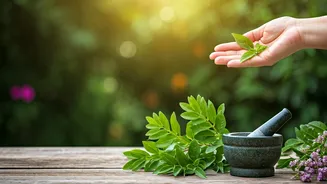
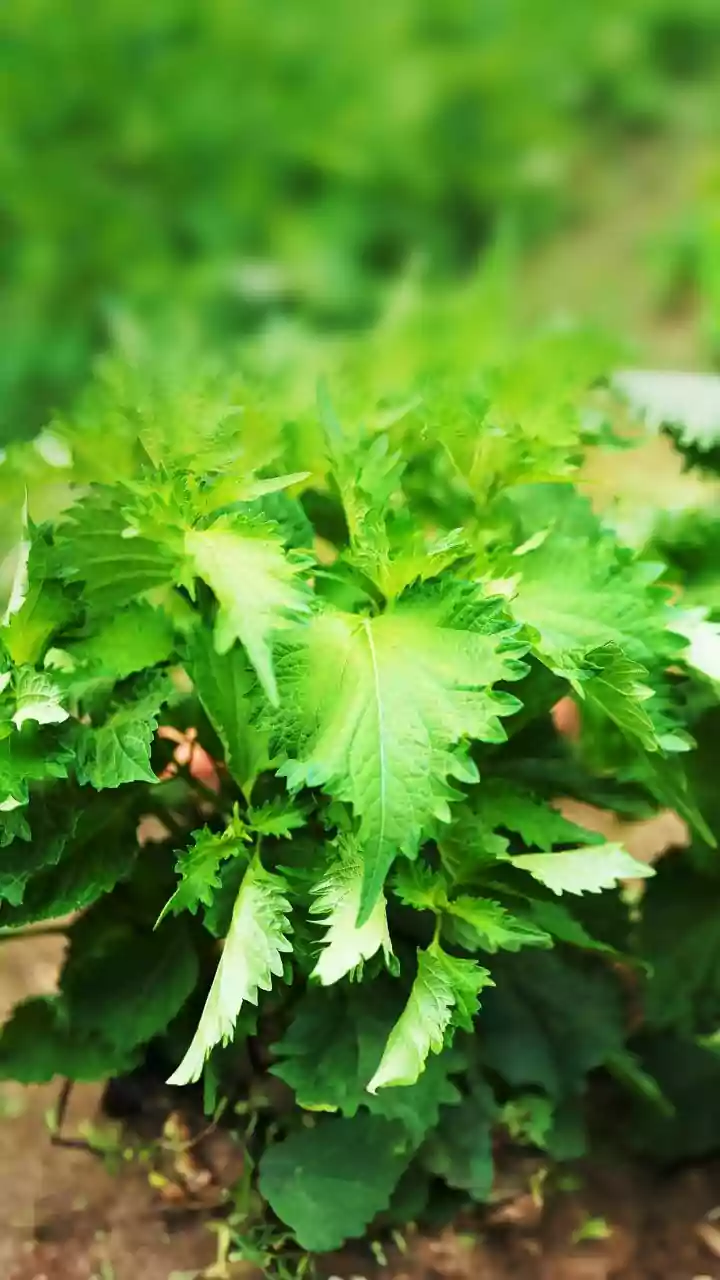
Many Indian households regularly incorporate herbal teas into their daily routines, appreciating their soothing and medicinal qualities. Beverages brewed with sacred tulsi (holy basil), invigorating ginger, or calming fennel seeds are common choices. These infusions are valued for their ability to promote healthy digestion, alleviate stress, and provide a gentle boost to the immune system. The daily act of sipping these warm, flavorful drinks offers a comforting blend of taste and therapeutic benefits, forming an essential component of India's holistic approach to wellness.
Ghee: A Sacred Fat
Clarified butter, or ghee, holds a revered place in Indian cuisine, prized for its distinctively rich flavor and beneficial properties. It is considered a nourishing agent that can aid in digestion and bolster the immune system. Traditionally, small quantities of ghee are added to staples like lentils (dal) and flatbreads (roti), imparting a delightful taste and promoting a sense of well-being. When consumed judiciously, ghee is believed to provide essential nutrients without adverse effects, embodying a mindful approach to fat intake.
Eating Mindfully by Hand
The practice of eating meals using one's hands is a time-honored tradition in India that significantly enhances the dining experience. This method allows for a more tactile and sensory engagement with food, fostering a deeper appreciation for textures and flavors. It is also thought to stimulate nerve endings in the fingers, potentially aiding in digestion. This mindful approach encourages individuals to be more present during meals, savoring each bite and intuitively managing portion sizes, thereby connecting more deeply with their food.
Crafting Balanced Plates
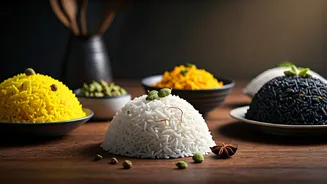
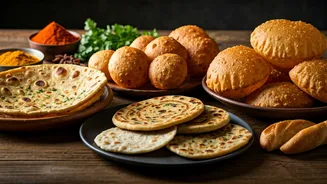
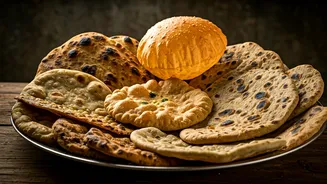
A fundamental element of Indian meal planning is the deliberate composition of balanced plates, typically featuring a combination of carbohydrates, proteins, and fiber. A classic example includes roti (flatbread), dal (lentils), and a serving of mixed vegetables. This thoughtful combination ensures the body receives a sustained release of energy, supports a healthy gut microbiome, and absorbs a wide spectrum of essential nutrients. This dietary architecture reflects centuries of accumulated wisdom in creating nourishing and satisfying meals.
The Wisdom of Moderation
Indians place a strong emphasis on practicing moderation at mealtimes, advocating for eating until one feels comfortably satisfied rather than completely full. This conscious habit is crucial for effective digestion, helps in preventing unnecessary weight gain, and contributes to long-term health maintenance. The principle of mindful eating is often instilled from a young age, becoming a deeply ingrained aspect of traditional Indian dietary behavior that prioritizes well-being over indulgence.
Nature's Refreshing Drinks
Beyond the morning warm water and herbal teas, Indians often turn to natural beverages to stay hydrated and complement their meals. These can include refreshing buttermilk (chaas) or flavored water infused with ingredients like mint or lemon. These drinks are typically low in sugar and high in beneficial compounds, aiding digestion and providing a gentle source of hydration. Embracing these natural, wholesome beverages is another testament to the Indian commitment to nurturing the body from within through simple, time-tested methods.