




Beyond Labels: Diet's True Impact
Fertility is a complex interplay of factors, and while diet plays a significant role, it's less about strictly adhering to labels like 'vegan' and more
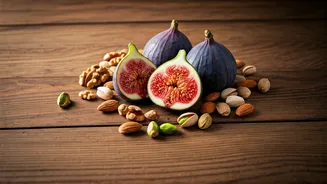
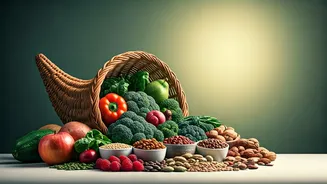
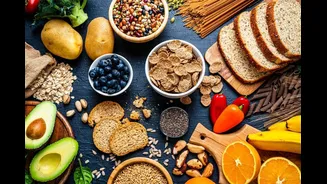
about the quality of your food choices. Experts emphasize that overall health is the primary driver, and diets centered on whole plant foods, such as fruits, vegetables, legumes, nuts, and seeds, tend to foster better metabolic function and hormonal equilibrium. These foods are potent in combating inflammation and oxidative stress, both of which can negatively affect reproductive health. The focus should be on nourishing your body with nutrient-dense, unprocessed ingredients that support your well-being from the inside out, rather than adhering to rigid dietary restrictions without understanding their full implications.
Metabolism's Fertile Ground
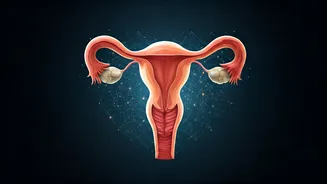
For individuals facing conditions like Polycystic Ovary Syndrome (PCOS), a common cause of infertility, insulin resistance is a frequently encountered challenge. Emerging research suggests that diets rich in whole plant foods can significantly improve insulin sensitivity. This improved sensitivity can lead to more predictable and regular ovulation patterns, a fundamental step towards conception. While these changes may not be immediate or dramatic, their clinical relevance is substantial. By helping to regulate blood sugar levels, plant-forward eating patterns can contribute to more consistent menstrual cycles, creating a more favorable internal climate for fertility. This metabolic regulation is a quiet but powerful ally in the pursuit of parenthood.
Antioxidants: Fertility's Unsung Heroes
While antioxidants are commonly associated with anti-aging and skin health, their crucial role in fertility often goes overlooked. Oxidative stress, a process that damages cells, can harm reproductive cells like oocytes, potentially impacting egg quality. A diet abundant in plant-based foods provides a wealth of antioxidants that actively work to neutralize these damaging free radicals, thereby protecting cellular integrity. Furthermore, essential nutrients like folate, predominantly found in leafy green vegetables, play a direct and vital role in ovulation and the initial stages of embryonic development. These micronutrients are essential for numerous bodily functions, including those critical for conception and a healthy pregnancy.
Assisted Reproduction Support
The influence of diet on outcomes related to assisted reproductive technologies (ART), such as IVF, is a growing area of interest. Dietary patterns that resemble the Mediterranean diet, which are largely plant-centric, have been linked to improved vascular health. Enhanced blood flow can positively affect the uterine environment, potentially aiding implantation. However, it is crucial to maintain realistic expectations; while diet can be supportive, it is not a guaranteed solution for fertility challenges. These dietary approaches complement medical treatments but do not replace the need for professional guidance and intervention.
Navigating Vegan Nutrient Gaps
While plant-based diets offer numerous health benefits, a strictly vegan approach can present challenges in obtaining certain essential nutrients crucial for fertility. Key nutrients like Vitamin B12, iron, omega-3 fatty acids, zinc, and Vitamin D can be more difficult to acquire in adequate amounts without careful planning and potentially supplementation. Deficiencies in these nutrients can have a significant impact on ovulation, implantation, and even sperm health. In many instances, a well-planned vegetarian diet, which includes dairy, can offer a more practical and balanced way to meet these vital nutritional needs, reducing the risk of critical gaps that could hinder fertility.
Holistic Approach to Conception
Ultimately, no single diet can miraculously 'boost' fertility on its own. However, a well-balanced, plant-forward dietary approach can create an optimal internal environment conducive to conception. This involves improving metabolism, reducing systemic inflammation, and promoting hormonal balance. The most valuable takeaway is that fertility is not solely about restriction; it is about building a robust and supportive internal system for your body. Focusing on consistent nourishment and creating the right conditions empowers your body's natural processes, contributing positively to your fertility journey. Remember to consult with healthcare professionals for personalized advice.