




Helium System Glitch
The highly anticipated Artemis II mission, aimed at sending astronauts on a lunar flyby, has encountered yet another significant delay. This latest setback,
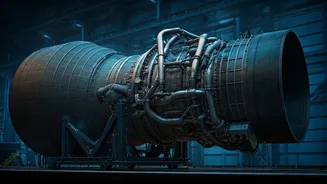
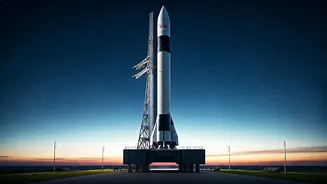
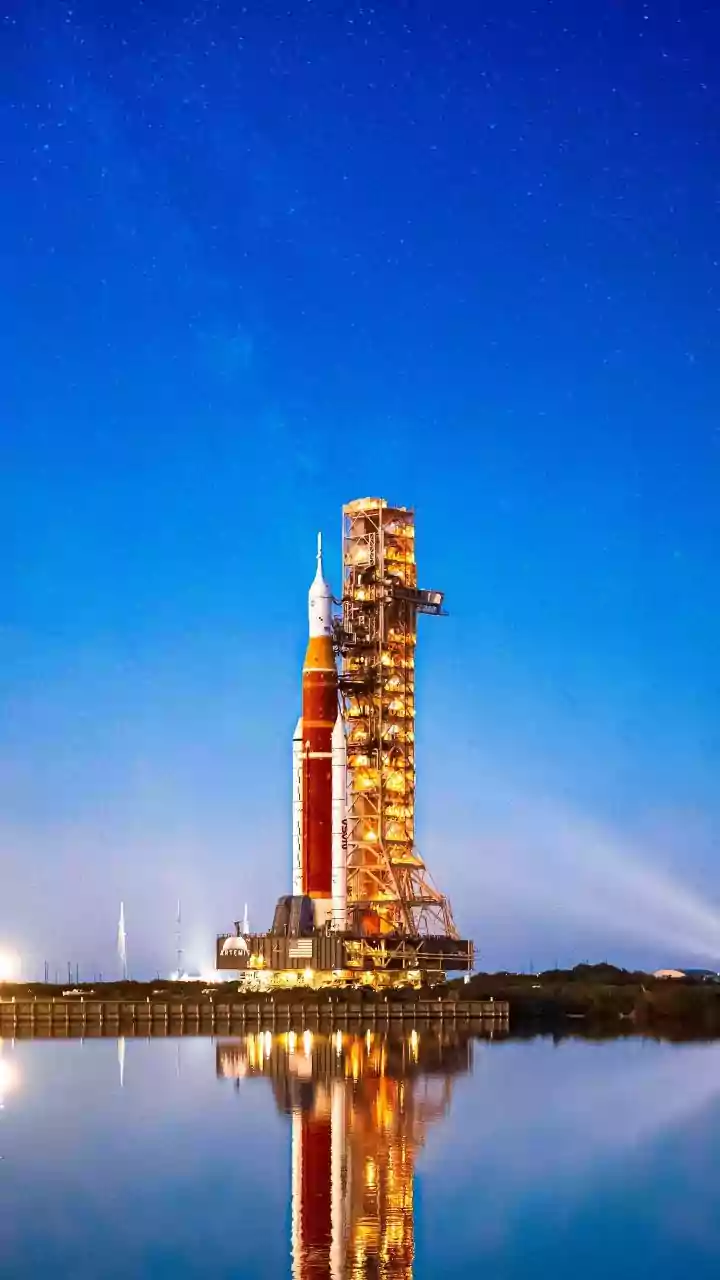
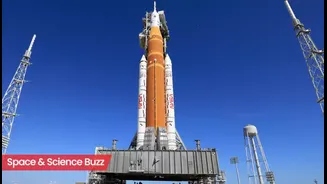
now pushing the launch window to April, stems from a newly discovered problem involving the rocket's first-stage helium tanks. Specifically, during a recent wet launch test, the helium tanks failed to adequately repressurize the main booster's fuel tanks and associated lines. These helium tanks play a crucial role in the rocket's operation, serving to flush fuel lines, propel propellants towards the engine, and maintain consistent pressure within the tanks to prevent structural collapse as they empty. The malfunction during the test indicated that the system did not perform as intended, prompting NASA engineers to investigate the underlying cause. This new issue requires extensive analysis and intervention, which unfortunately cannot be addressed while the rocket remains on the launchpad.
Legacy Systems & New Challenges
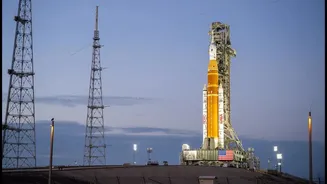
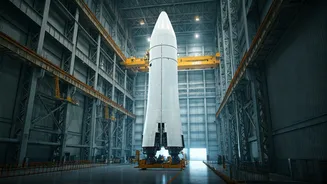
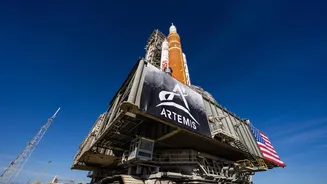
The Space Launch System (SLS) rocket, integral to the Artemis II mission, is constructed using a combination of established and older components. While these legacy systems are familiar, they also present unique challenges, as evidenced by ongoing delays. A previous postponement in early February was attributed to leaks in the rocket's hydrogen seals, a known issue with these older components. However, the current helium repressurization problem is considered a novel challenge, demanding a more in-depth investigation. Accessing and rectifying issues with the rocket's systems invariably requires its return to the Vehicle Assembly Building (VAB). Consequently, the March launch window has been definitively ruled out. Engineers are meticulously examining the interface between the ground-based equipment and the rocket's plumbing responsible for delivering helium to an upper-stage valve, which is a primary area of suspicion for the fault.
Lunar Alignment & Commitment
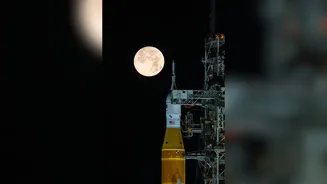
Beyond the technical hurdles, the scheduling of the Artemis II mission is also dictated by celestial mechanics, specifically the optimal alignment between Earth and the Moon. The next available launch window with favorable orbital positioning begins on April 1st. This further extends the timeline for the mission. NASA Administrator Jared Isaacman acknowledged the disappointment that such delays can bring, not only to the public but especially to the dedicated NASA team who have poured immense effort into preparing for this monumental undertaking. Despite these setbacks, the agency reaffirms its steadfast commitment to returning humans to the lunar surface in the near future. The long-term vision includes establishing more permanent infrastructure on the Moon in the coming years, underscoring the strategic importance of the Artemis program.