
Yamuna's Water Woes
The capital city has been grappling with water supply issues, primarily stemming from the increasing levels of ammonia found in the Yamuna River. This
is a critical concern, as it directly impacts the availability of clean water for Delhi's residents. The issue has caused disruptions in the city's water distribution network, highlighting the urgent need for effective solutions. The current situation emphasizes the crucial role of the Yamuna River in Delhi's water supply and the necessity for immediate and long-term actions to restore its quality. The reliance on the river and its vulnerability to pollution calls for significant improvements in water management and environmental protection efforts.
Boosting Treatment Capacity
In response to the water crisis, Delhi is planning to substantially increase its sewage treatment capacity. This initiative is a core component of the broader strategy to tackle pollution in the Yamuna River and improve water quality. The doubling of sewage treatment capabilities represents a major investment in infrastructure aimed at processing wastewater more efficiently and effectively. This will, in turn, reduce the amount of pollutants flowing into the river. This ambitious expansion underscores the commitment to addressing the root causes of the water supply issues and ensuring a more sustainable and reliable water source for the city's inhabitants. The ultimate goal is to minimize the impact of pollutants, thereby supporting a healthier environment and safeguarding the city's water resources for the long term.
Drones to the Rescue
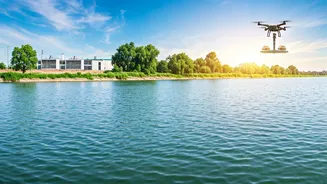
To further aid the cleaning process, Delhi is adopting innovative technology, including the use of drones to map the drains that flow into the Yamuna. This advanced approach offers a detailed and efficient way to monitor and analyze the state of these drains. The application of drone technology allows authorities to identify sources of pollution, assess the extent of the damage, and develop targeted cleaning strategies. This precise mapping will contribute to a more effective and coordinated approach to cleaning the Yamuna River. Using this method, the aim is to create a cleaner river by 2028. It showcases the integration of technology in environmental management and the city's commitment to creating a sustainable solution.
Cleaning by 2028
The comprehensive plan to address water pollution in Delhi is targeting a significant improvement in the Yamuna River's condition by the year 2028. This long-term initiative encompasses multiple strategies, including enhancing sewage treatment capacity and employing cutting-edge drone technology. The deadline illustrates the urgency of this environmental undertaking. This initiative reflects the determination to restore the river's ecological balance and to offer a clean water supply. The goal is a clean Yamuna, a key resource for the city's water security, that will offer a better quality of life to Delhi's residents. This commitment is intended to have a lasting, positive impact on both the environment and the community.