




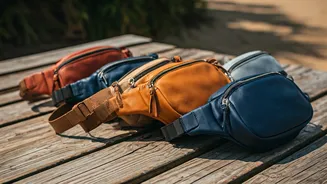

Open Bags vs. Secure Carry
Many travelers opt for open-top totes, unaware that these bags are prime targets for pickpockets in bustling European cities. This oversight can quickly
lead to lost valuables, especially on crowded public transport like metros or in busy tourist hotspots. A more prudent choice is an anti-theft crossbody bag. These bags are designed with features like locking zippers and secure straps that keep them close to your body, minimizing the opportunity for theft. By choosing a bag that fully zips shut and remains secure, you significantly reduce the risk of becoming a victim, allowing you to focus on the sights rather than worrying about your belongings.
Restrictive Denim Dilemma
While jeans may seem like a versatile wardrobe staple, they often prove impractical for extensive European travel. Their rigid fabric can become uncomfortable during long train rides or extended periods of walking, often leading to overheating and a lack of flexibility as the day's temperature fluctuates. Furthermore, denim takes a considerable amount of time to dry if caught in unexpected rain. A far superior alternative is to pack lightweight, breathable travel pants. These garments typically feature stretch fabric, ensuring ease of movement and all-day comfort, making them suitable for a variety of activities from exploring cities to enjoying a nice dinner, and they dry much faster than denim.
Style Over Comfort Shoes
The allure of stylish footwear often leads travelers to make a significant mistake when preparing for European trips, which are inherently walking-intensive. While fashionable shoes might look good for a short while, they are ill-equipped to handle miles of uneven cobblestone streets, numerous staircases, and prolonged periods on one's feet. This quickly results in foot pain, forcing travelers to slow down, seek frequent breaks, or even cut their day's exploration short. Prioritizing comfort and support is paramount. Opting for well-cushioned walking shoes specifically designed for extended wear will ensure your feet remain comfortable from morning sightseeing to evening outings, enabling you to fully immerse yourself in the experience without physical discomfort holding you back.
Adapter Incompatibility Issues
A common pitfall for travelers heading to Europe is bringing the wrong type of power adapter, leading to frustration upon arrival. Electrical outlets vary significantly across different European countries, and a single adapter might not be universally compatible. This can result in being unable to charge essential devices like phones or cameras, particularly inconvenient when arriving late at a hotel. To circumvent this issue entirely, it is highly recommended to pack a compact universal adapter. This single, versatile device is designed to work in numerous countries, saving valuable luggage space and eliminating the stress of finding compatible outlets or scrambling to purchase one the next morning.
Bulky Luggage Woes
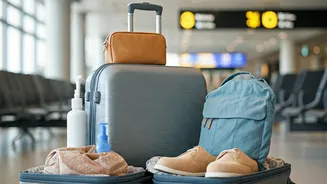
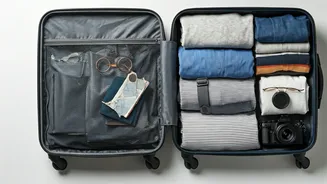
Many individuals mistakenly pack oversized suitcases, believing they'll need a vast array of clothing options for their European journey. However, large bags present considerable challenges when navigating Europe's varied transportation systems. They often exceed the size limits for overhead compartments on smaller aircraft, and on trains, travelers are solely responsible for lifting their heavy, bulky luggage onto racks or into storage. This task becomes even more arduous when dealing with cobblestone streets, uneven sidewalks, and train stations lacking elevators. A much more practical solution is to opt for carry-on luggage. A smaller, more manageable suitcase significantly simplifies movement through airports, train stations, and city streets, contributing to a far smoother travel experience.
Unseen Baggage Risks
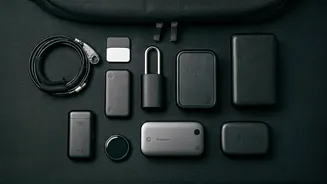
A significant oversight that can cause immense stress is neglecting to use a luggage tracker. It only takes a single missed flight connection, a last-minute gate check, or a crowded station to cause a bag to become separated from its owner. Without a tracking device, travelers are left relying on airline updates, which are frequently delayed or vague. By placing a compact tracker, such as an Apple AirTag, inside your luggage, you gain the ability to monitor its exact location in real-time. This simple measure provides invaluable peace of mind, allowing you to know precisely where your belongings are, even when unexpected travel disruptions occur.
Dying Phone Battery
Relying heavily on smartphones for navigation, digital tickets, translation, and information gathering means a dead battery can quickly bring your day to a halt. In Europe, where phones are used extensively for maps, train schedules, and communication, battery life can drain rapidly, especially after a full day of exploration. Finding an available power outlet in public spaces is often difficult, and you may not have the time to stop and wait. A compact portable charger is an essential item that ensures your phone remains powered throughout the day, keeping you connected and equipped with vital resources when you need them most.
Heavy Coat Burden
Packing bulky coats, while seemingly necessary for variable weather, often becomes a cumbersome burden throughout a European trip. These oversized items take up significant packing space and frequently end up being carried or awkwardly stuffed into bags, especially during transitions between indoor attractions and outdoor exploration or when moving between transport. European weather can indeed change, but a more efficient approach is to embrace lightweight layering. Items like merino wool tops serve as excellent base layers, providing warmth without bulk. This strategy offers greater adaptability to fluctuating temperatures and is far more practical for daily travel, as layers are easily added or removed and take up minimal space.