


Root Rot Risks
Overwatering during winter is a leading cause of plant demise, often leading to root rot. As plants naturally slow their growth in cooler months, their need
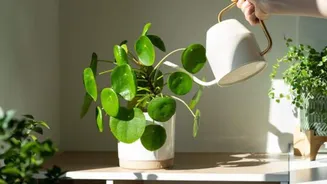
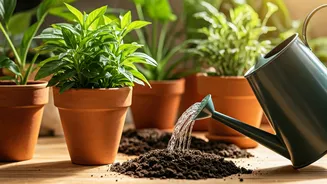
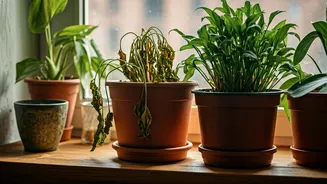
for water diminishes significantly. When the soil remains consistently saturated, it creates an environment where fungal diseases thrive, suffocating the roots by denying them oxygen. Signs of root rot include yellowing leaves, mushy stems, and a general wilting appearance, even when the soil is wet. To combat this, it's crucial to adjust your watering schedule, allowing the soil to dry out more between waterings. Checking the soil moisture by inserting a finger a couple of inches deep is a reliable method. Ensure your pots have adequate drainage holes to prevent waterlogging. Sometimes, repotting a plant with severely rotted roots into fresh, well-draining soil, while trimming away the damaged parts, can be the only way to save it. Paying attention to the specific needs of each plant species is also paramount, as some prefer drier conditions, especially in winter.
Heating's Harsh Hand
The very heating systems designed to keep our homes warm can inadvertently harm houseplants. Direct exposure to heat vents or radiators can lead to rapid dehydration of both the soil and the plant's foliage. This intense dry heat can cause leaves to crisp up, turn brown at the edges, or even fall off prematurely. The air around heating sources becomes significantly drier than usual, mimicking desert conditions that most houseplants are not equipped to handle. To mitigate this, reposition your plants away from direct heat sources. Consider using a humidifier near your plants or placing them on pebble trays filled with water. The evaporation from the pebbles will increase ambient humidity. Grouping plants together can also create a microclimate with higher humidity levels. Misting leaves can offer temporary relief, but it's not a substitute for consistent humidity management, as it can sometimes encourage fungal issues if done excessively or at the wrong time of day.
Leaf Curling Clues
Curling leaves on plants like Satin Pothos can signal a variety of distress signals. One primary culprit is inconsistent watering. If the plant experiences cycles of being too dry followed by being too wet, it can stress the roots and cause the leaves to curl inwards as a defense mechanism. Extreme temperatures, either too hot or too cold, can also trigger leaf curling. Additionally, a lack of humidity can cause leaf edges to dry out and curl. Some pests, such as spider mites or thrips, can also cause leaf damage that manifests as curling. It's important to inspect your plant thoroughly for any signs of infestation. Environmental factors, like being too close to a drafty window or a heat source, can also contribute to this issue. Addressing leaf curl requires identifying the specific cause, whether it's adjusting watering habits, improving humidity, regulating temperature, or treating for pests.
Brown Leaf Blues
Brown leaves on houseplants during winter are a common lament, often stemming from a combination of environmental factors. Dry air, a consequence of indoor heating, is a major contributor, causing the leaf tips and edges to desiccate and turn brown. Inadequate or excessive watering can also lead to browning; underwatered plants will have dry, crispy brown patches, while overwatered plants might develop mushy brown spots due to root rot. Insufficient light is another cause, as plants cannot photosynthesize effectively in low light conditions, leading to leaf drop and browning. Low humidity is particularly problematic for many tropical plants. To prevent and treat brown leaves, ensure consistent, appropriate watering, increase humidity through misting, humidifiers, or pebble trays, and place plants in locations with sufficient indirect light. Pruning away brown or damaged leaves can also help the plant redirect energy to new growth.
Reviving the Struggling
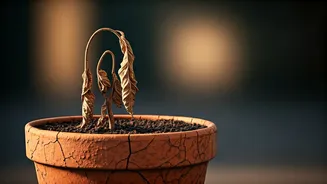
When houseplants appear to be on their last leaf, don't despair just yet. Many seemingly dead plants can be revived with careful attention. The first step is to assess if the plant is truly gone. Gently scratch the bark of a stem; if you find green underneath, there's still life. Conversely, if the stem is brittle and brown all the way through, it's likely beyond saving. For plants that are wilting or dropping leaves, reassess your watering and light conditions. They might be thirsty, in need of more light, or suffering from overwatering. Root rot is a common issue that requires immediate action: carefully remove the plant from its pot, trim away any black, mushy roots, and repot in fresh, well-draining soil. If pests are the culprit, isolate the plant and treat it with an appropriate insecticide or neem oil solution. Patience is key; providing consistent care and the right conditions can often coax even a struggling plant back to health.