





Prime Aurora Viewing
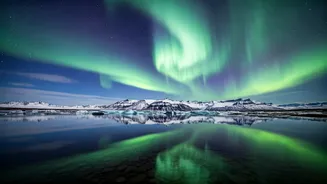
The Northern Lights, also known as the aurora borealis, are a spectacular natural phenomenon. The years immediately following the sun's peak activity,
like 2026, are often very active for aurora displays. During the declining phase of the solar cycle, the sun can still send out strong space weather, which fuels more powerful auroras. This guide is crafted to offer an overview of the best times, locations, and conditions to experience the aurora's beauty. If you dream of witnessing auroras over fjords, forests, or even your backyard, this guide provides essential advice to improve your chances of seeing one of nature's greatest shows.
Optimal Viewing Times
To maximize your chances of seeing the aurora borealis, timing is essential. The aurora season extends from late September through late March. The best time of night to observe the aurora is between 10 p.m. and 2 a.m. local time. These hours offer the darkest skies and a higher probability of auroral displays. Planning your trip around these months and times increases your chances of witnessing this natural wonder. Remember that the weather conditions, dark skies, and patience are necessary for a successful aurora viewing experience.
Top Viewing Locations
Several locations around the globe offer ideal conditions for witnessing the aurora. Key locations include Northern Norway, Sweden, Finland, Iceland, Alaska, and northern Canada. These regions are positioned close to the auroral oval, where the auroras are most frequently visible. During significant geomagnetic storms, the aurora can occasionally be seen farther south, across the northern United States, the United Kingdom, and parts of Europe. Choosing the right location is crucial; you should consider the likelihood of clear skies, the darkness of the area, and the ease of access to optimize your aurora-viewing experience.
Solar Activity in 2026
The year 2026 is expected to be a great time for seeing the northern lights because it follows the solar maximum. During the decline of solar activity, the sun can still produce turbulent space weather, leading to impressive auroral displays. This means that the auroras may be more vibrant and frequent than in periods with less activity. Pay attention to forecasts, as periods of high solar activity increase the likelihood of viewing the auroras. Understanding the solar outlook for 2026 helps anticipate the intensity and visibility of the aurora borealis.
Factors To Consider
Several factors combine to create the best aurora-viewing conditions. The most important things include the necessity of dark skies and clear weather, which are important for successful viewing. Auroras are often faint and difficult to observe from areas with light pollution. Patience is another factor, as auroral displays can be unpredictable and may not always appear. Keep your eyes on forecast websites, like the NOAA Space Weather Prediction Center and Spaceweather.com, to stay up-to-date on predicted aurora activity. Careful planning and monitoring of conditions will greatly improve your viewing chances.
What You Need
To fully enjoy the aurora borealis, there are several things you should bring. You will need dark skies, clear weather, patience, and some luck. Being prepared will make your viewing experience much more enjoyable. It is essential to choose a location with minimal light pollution and a clear view of the northern horizon. Additionally, dress warmly in layers. Bring a camera and a tripod to capture the beauty of the aurora. Follow weather forecasts and aurora predictions to maximize your chances of seeing the lights. This preparation will help ensure that you are ready to witness one of nature's most dazzling shows.