


Fake Foliage Fades
The era of artificial plants, once a convenient solution for adding greenery without the upkeep, is officially over according to interior design experts.
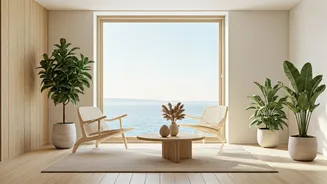
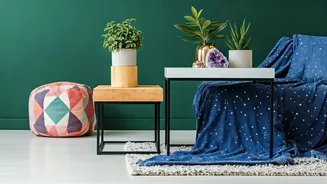
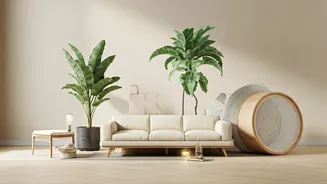
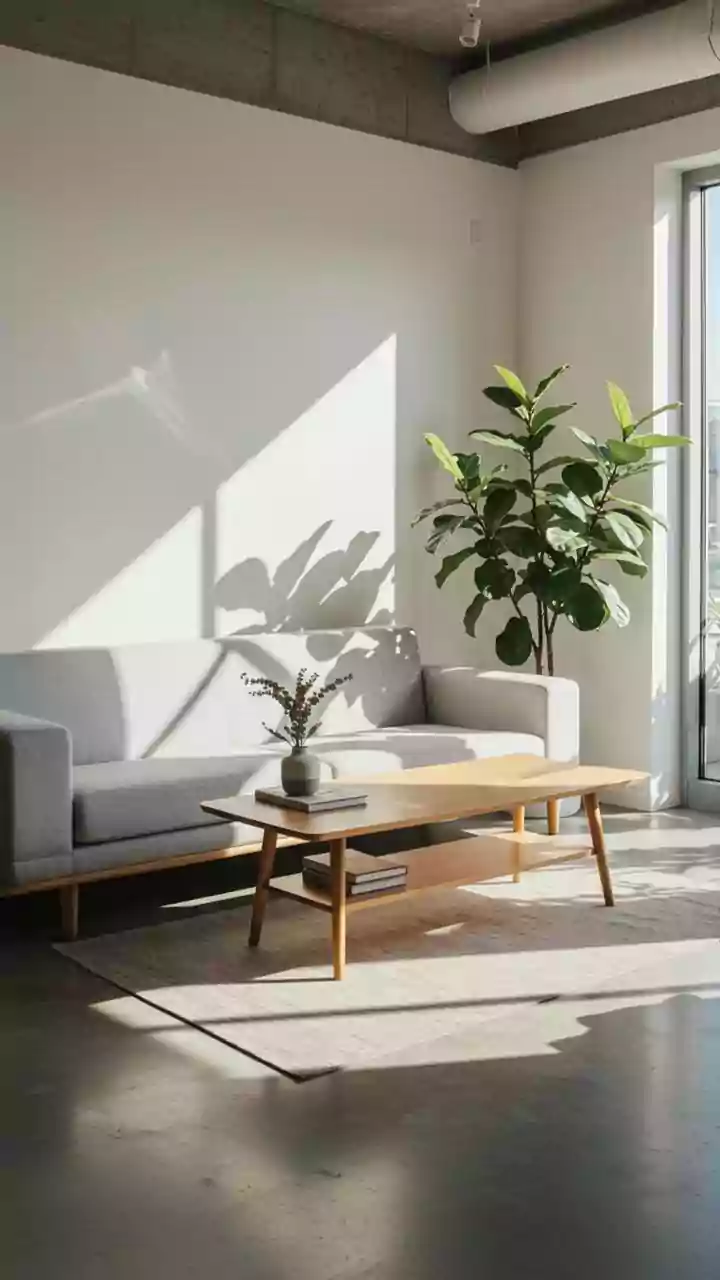
While advancements have made them more realistic, they lack the dynamic quality of live botanicals. Real plants interact with light and air currents, imbuing a room with a sense of vitality that plastic imitations simply cannot replicate. Even a solitary, well-placed real plant can contribute more to a space's ambiance than an entire wall of synthetic leaves. For those apprehensive about plant care, numerous low-maintenance options like snake plants or pothos thrive with minimal attention. Additionally, plant subscription services from florists or professional plant caretakers offer further support for those wanting to embrace living décor. It's time to embrace the authenticity of real plants and bid farewell to their plastic counterparts.
Edison Bulbs' End
Edison bulbs, lauded for their vintage charm and contribution to industrial-chic aesthetics, are no longer considered a must-have in modern interior design. While their aesthetic appeal is acknowledged, designers often point out their practical drawbacks. These bulbs tend to cast a harsh light, creating an atmosphere that feels less inviting and more dated. Unless the specific design intent is to cultivate an overtly industrial or live-work studio vibe, their use is generally discouraged. The consensus is that they've had their moment and are better left behind in favor of lighting solutions that offer a softer, more cohesive illumination suitable for a wider range of interior styles.
Mix, Don't Match
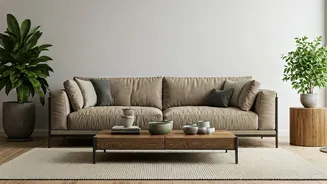
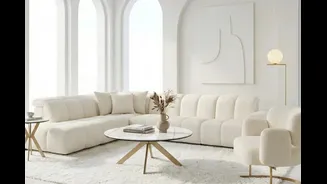
The once-standard practice of purchasing complete, matching furniture sets is now seen as a shortcut to a sterile and uninspired interior. Contemporary design prioritizes a curated, lived-in feel, which is often undermined by identical furniture pieces that can make a room resemble a showroom rather than a personal sanctuary. The trend now leans towards an eclectic approach, where furniture items with diverse yet complementary styles, shapes, colors, and textures are layered to create depth and visual interest. To achieve this balanced mismatch, designers suggest maintaining a consistent color palette across the room and carefully balancing the visual weight of larger and smaller, ornate and minimalist pieces. This thoughtful curation results in a space that feels uniquely personal and dynamic.
Word Art's Goodbye
Literal and overtly thematic signage, often found adorning walls with phrases like 'Gather' or 'Unwind,' has been overwhelmingly rejected by designers. After enjoying popularity in the early 2000s and resurfacing with the farmhouse trend, this form of décor is now considered passé. Designers find such literal interpretations redundant, humorously noting that they state the obvious in a living space. While conveying warmth and a sense of place is desirable, relying on explicit text to do so is seen as a design shortcut that ultimately detracts from a more sophisticated composition. The goal is to evoke feelings and meanings through form, color, and texture, rather than spelling them out directly, creating a more nuanced and lasting aesthetic.
Tufted Headboards Out
The overstuffed, diamond-tufted headboards that were a hallmark of 2010s interiors are now considered dated and heavy, according to design professionals. While upholstered headboards remain a valid choice, the focus for 2026 is shifting towards designs that exude intentionality and modern sophistication. This includes pieces with more defined, sculptural frames, clean upholstery lines, and the incorporation of natural textures. Rather than bulky, decorative elements, the emphasis is on creating headboards with a stronger architectural presence, characterized by bolder forms and considered materiality. This evolution transforms a headboard from a mere decoration into a deliberate design feature that enhances the room's overall structure and aesthetic.
Gallery Walls Over
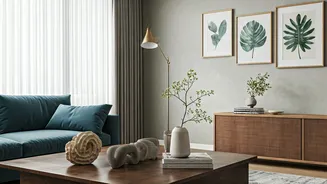
The concept of the gallery wall, while once a popular method for displaying multiple photographs and artworks, is now being re-evaluated by designers who find it overdone and potentially visually cluttered. The argument is that a single, impactful piece of art can often command more attention and tie a room together more effectively than a collection of smaller frames. For those wishing to showcase a collection of personal photos, designers suggest arranging them in frames on surfaces like console tables or end tables, offering a more curated and less overwhelming display. This approach prioritizes a strong focal point and allows individual pieces to be appreciated without contributing to wall monotony.