






Winter's Chilling Embrace
Kashmir, with its breathtaking valleys and towering mountains, faces a severe test each winter. The biting cold, with temperatures dipping to a staggering
minus 20°C, dictates every facet of life. This harsh climate presents unique challenges, transforming the rhythm of daily existence. The traditional practices, honed over generations, become essential for survival and maintaining cultural identity. The article examines how the inhabitants of Kashmir, through their unwavering spirit and time-tested methods, navigate the demanding winter months, turning challenges into opportunities for resilience and community bonding.
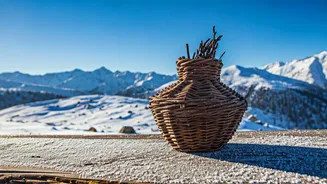
Firepot: A Lifeline
At the core of surviving Kashmir's winters lies the traditional firepot, a symbol of warmth and a source of life. This simple yet effective device plays a vital role in daily routines, from warming homes to providing heat for work. The firepot, often carried under the 'pheran' (a traditional cloak), offers respite from the cold. Its warmth seeps into the bones, creating a haven against the severe chill. Moreover, the firepot facilitates various economic activities. For example, it is used to keep hands warm while crafting intricate designs on shawls or other handicrafts. This highlights how traditional tools and practices are essential for survival and maintaining traditions.
Shaping Daily Existence
The firepot influences how Kashmiris live, work, and even how they socialize. The routines shift dramatically during winter. Outdoor activities become limited, and people spend more time indoors, close to the firepot's warmth. Work shifts to occupations that can be done indoors, supported by the firepot's presence. Social interactions also center around the firepot. Families and friends gather, sharing stories and strengthening community bonds. The firepot thus becomes a symbol of unity, providing a space for both warmth and fellowship during the long, dark winter days. This emphasizes the vital role of traditional practices in shaping a unique way of life amidst extreme conditions.
Work and Survival
The economic landscape of Kashmir adapts during winter. Many crafts and industries that are less weather-dependent see an increase in activity, supported by the constant warmth of the firepot. The intricate craft of shawl making, for instance, thrives during these months. Artisans can work continuously, keeping their hands nimble and productive in the warmth. The firepot becomes an enabler of livelihoods, permitting skills and creativity to flourish even amidst harsh weather. This highlights how the traditional practices are integrated in maintaining economic stability and providing a source of sustenance and income when the natural resources become limited during winter.
A Tradition's Enduring Spirit
Beyond its practical role, the firepot symbolizes the resilience and cultural identity of Kashmiris. It embodies their capacity to endure and thrive in challenging environments. The tradition of using the firepot is passed down through generations. Therefore, it keeps cultural values alive and well. This simple device is a powerful reminder of how traditional ways can ensure survival. It embodies the human spirit's capacity to adapt and persevere. The firepot demonstrates the rich tapestry of life in Kashmir and showcases the strength of community bonds forged amidst adversity. The enduring use of the firepot showcases the spirit of survival and the importance of adapting traditional practices.