



A Culinary Gem's Quest
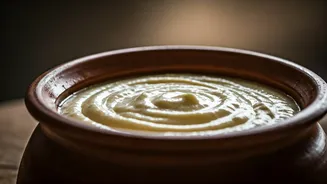
Manikapatna, a distinct curd from Odisha's Puri district, is on the cusp of receiving a Geographical Indication (GI) tag. This prestigious recognition
is being pursued by the Odisha University of Agriculture and Technology (OUAT), which has meticulously prepared and submitted the GI application. The core of this application rests on the curd's deeply ingrained traditional preparation techniques and the ingenious use of organic bamboo baskets. These baskets are not merely containers but integral to achieving the curd’s signature texture and unparalleled flavor profile, setting it apart from any other dairy product. OUAT scientists have undertaken extensive documentation, identifying over 200 traditional producers, a vital step in substantiating the product's unique heritage and artisanal lineage before the official filing. The GI tag, once granted, will serve as a legal shield, safeguarding the product's name, its distinctive production methodology, and ensuring that spurious imitations are kept at bay, thereby significantly enhancing its market value and consumer trust.
The Chilika Buffalo's Milk
The exceptional quality of Manikapatna curd is intrinsically linked to the rare Chilika breed of buffalo. This specific breed, recognized and protected by the ICAR-National Bureau of Animal Genetic Resources in 2012, is a cornerstone of the curd's unique characteristics. These buffaloes thrive in the ecological haven surrounding Chilika lake, their diet consisting of lush grasses and aquatic weeds abundant in the region. This natural grazing pattern results in milk that is not only rich in nutrients but also possesses a distinctive quality that is crucial for the curd's creamy texture and nuanced taste. Dayanidhi Mishra, an OUAT scientist actively involved in the GI application process, highlights that the milk from these buffaloes is a key factor contributing to the curd's high nutritional value and its superior sensory attributes, making it a prized local delicacy.
Artisanal Bamboo Basket Method
The preparation of Manikapatna curd is a testament to an age-old, organic, and highly traditional technique. Fresh milk is carefully poured into specially crafted bamboo baskets, which are designed to absorb moisture and contribute to the curd's unique texture. The curd solids gradually adhere to the porous surface of the bamboo, imparting a subtle earthiness and a distinct mouthfeel. Following this initial setting, the basket is allowed to dry for approximately 24 hours. This crucial drying period precedes the actual fermentation phase, culminating in a luxuriously thick curd with a flavor and consistency that are remarkably unique. A distinctive aspect of its sale is that the curd is often presented and sold still nestled within the very bamboo basket in which it was prepared, a practice that underscores its artisanal origin and offers a complete, authentic experience to the consumer.
Cultural Roots and Historical Ties
Beyond its culinary merits, Manikapatna curd is deeply woven into the cultural and historical fabric of Odisha. Its origins are said to be connected to the legendary Kanchi Abhijan, a significant event intertwined with the traditions of the revered Shree Jagannath Temple. Folklore recounts a milkmaid named Manika Gauduni, who, during this historical period, is believed to have offered curd to Lord Jagannath and Lord Balabhadra. This narrative imbues the curd with a spiritual and historical significance, linking it to devotional practices and ancient legends. The OUAT vice-chancellor, Pravat Kumar Roul, shared that a significant effort, spanning nearly seven months, was dedicated to compiling historical evidence, identifying over 200 producers, and meticulously documenting the origin story to support the GI application. A unique logo has also been developed specifically for the GI tag, further symbolizing its distinct identity.
Preservation Through Recognition
The pursuit of the GI tag for Manikapatna curd is not merely about commercial advantage; it is a vital step towards preserving a cherished traditional product. OUAT vice-chancellor Pravat Kumar Roul expressed confidence that the application, having met all requisite formalities, will achieve accreditation. He emphasized that this recognition is crucial for protecting the authenticity of Manikapatna curd and will directly benefit the local producers by ensuring fair market value and preventing the dilution of its unique identity. The meticulous compilation of historical data and technical details is intended to fortify the application. With Odisha already boasting 27 GI tags, a testament to its rich cultural heritage, agricultural diversity, and the remarkable craftsmanship of its people, the inclusion of Manikapatna curd would further enrich this legacy, safeguarding a taste of tradition for generations to come.