






The Germination Dilemma
Embarking on your gardening journey often begins with a packet of seeds and a desire for lush growth. A common question that arises is whether pre-soaking
seeds is a crucial step for successful germination. While not every seed requires this treatment, a significant portion, particularly those with robust outer shells, can dramatically benefit. This preparatory step aims to rehydrate dormant embryos, making it easier for them to break free from their protective casings and initiate the vital processes of root and leaf development. Understanding which seeds respond well to soaking can save time, prevent potential issues, and ultimately lead to a more vigorous start for your plants, distinguishing between those that need a boost and those that are perfectly content to germinate without intervention.
When Soaking Helps
Seeds featuring a thick, hardy exterior are prime candidates for pre-soaking. This outer layer acts as a formidable barrier, and by softening it, we allow the dormant plant embryo within to access the necessary moisture and warmth for germination more readily. Experts note that this technique is particularly beneficial for seeds from woody ornamental plants and many native perennials, which often possess exceptionally tough seed coats. The process essentially mimics natural conditions that would gradually break down these barriers over time, but by soaking, we accelerate this crucial phase. This preparatory soak is an effective way to overcome certain types of seed dormancy, ensuring that when you plant them, they are already primed to sprout, leading to a more consistent and quicker germination rate compared to unsoaked counterparts.
Soaking: The How-To
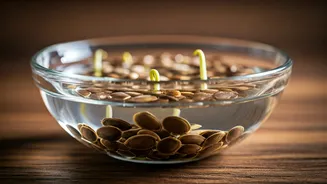
For optimal results when soaking seeds, timing and technique are paramount. It's best to initiate the soaking process only a day before you intend to plant them, whether indoors or outdoors. Submerging seeds for too long can be detrimental, potentially leading to rot and the demise of the embryo; a window of 8 to 12 hours is generally recommended. For seeds with an exceptionally resistant shell, a gentle nicking or scoring of the outer coating prior to soaking can further facilitate water penetration, creating an easier entry point for moisture. This scarification, when applied carefully, helps break down the tough exterior without harming the vital inner components of the seed. Always use warm water, not hot, and place the seeds in a shallow container, ensuring they are fully submerged and kept in a warm, ambient temperature spot, away from direct sunlight.
Signs of Healthy Seeds
During the soaking process, pay attention to how your seeds behave in the water. A helpful indicator of viability is buoyancy: seeds that float to the surface are often older or unviable and should be discarded. This simple observation can help you identify and remove seeds that are unlikely to germinate, ensuring you're only planting the most promising specimens. After the recommended soaking period, it's crucial to drain the seeds thoroughly using a fine-mesh sieve. The germination process has already begun, and the seeds are now sensitive. They must be planted immediately into warm, moist soil without being allowed to dry out again, as this can halt or severely damage the nascent germination process.
Who Benefits Most?
A variety of popular garden plants and vegetables owe their successful germination to a pre-soaking regimen. Large seeds with dense coatings, such as those from squash, beans, peas, and beets, are excellent candidates. If you're dealing with particularly hard-shelled varieties, like certain gourds or okra, consider gently nicking their rounded edges with nail clippers before soaking. This careful scarification ensures water can penetrate the tough exterior. Other plants that frequently benefit from soaking include Canna Lily, Corn, Cucumber, Lacy Phacelia, Lupine, Milkweed, Morning Glory, Nasturtium, Parsley, Passiflora, Peppers, Pumpkin, Rosemary, Sunflower, Sweet Pea, Swiss Chard, Wild Indigo, and Winter Squash. By understanding which seeds thrive with this initial hydration, gardeners can significantly improve their success rates.
Seeds to Skip Soaking
Conversely, not all seeds require or will benefit from soaking. Tiny seeds with thin, delicate outer shells, such as those from tomatoes, lettuces, carrots, radishes, watermelons, Black-eyed Susans, Zinnias, Batchelor's Buttons, and Foxgloves, are best planted directly. Attempting to soak these smaller seeds can lead to them clumping together into an unmanageable mass, making them incredibly difficult to sow evenly and increasing the risk of damping off or overcrowding once planted. Their thin coatings are permeable enough to absorb moisture directly from the soil. Therefore, it's always advisable to examine your seeds and consult planting instructions, as soaking these types of seeds can do more harm than good, hindering rather than helping germination.