


Summer's Styling Dilemma
As the mercury climbs and humidity levels surge, the allure of spending precious time with straightening irons and curling wands begins to wane. Many have
experienced the frustration of meticulously styling their hair, only to see it succumb to frizz and flatness within hours of stepping outside. The reality of a humid summer day often means that elaborate heat-styled looks simply don't withstand the elements, leaving hair feeling sticky and unmanageable. This practical challenge is pushing individuals to seek simpler, more resilient hair care strategies. The convenience of heat styling is being overshadowed by its fleeting results and the growing concern over potential damage, prompting a widespread adoption of techniques that work in harmony with natural hair texture rather than against it, offering a more sustainable and effective solution for daily grooming amidst the summer's environmental challenges.
Understanding Heat's Toll
High-temperature styling tools fundamentally alter hair's internal structure to achieve desired shapes. However, this process, especially when repeated, can compromise the hair's protein bonds, leading to a weakened state. Consequently, hair can become increasingly dry, develop a rougher texture, and be more prone to breakage. In everyday life, this manifests as hair that loses its styled integrity quickly or tangles with greater ease after frequent encounters with straighteners or curling irons. The summer season exacerbates these effects, as humidity prompts hair to revert to its natural state, often introducing frizz into the equation. Modern hair care advancements have significantly enhanced the efficacy of air-drying methods. Lightweight creams, leave-in conditioners, and products designed to enhance texture now offer effective ways to control frizz and define natural waves without the need for heat, making routines like braiding damp hair overnight or gentle scrunching techniques increasingly popular for achieving polished, effortless looks.
Summer Weather's Impact
The summer climate, characterized by increased sweat, high humidity, and potent UV radiation, can render hair more vulnerable and challenging to manage. This combination often results in hair that feels dry at the tips while the scalp remains oily, encouraging more frequent washing and styling. This cyclical process can inadvertently lead to increased reliance on heat styling, potentially worsening existing damage. A common scenario during peak summer involves having to restyle hair multiple times throughout the day, each instance adding to the cumulative heat exposure and diminishing the overall strength of the hair strands. The prevailing beauty trend for 2026 is leaning towards looks that are naturally effortless. Instead of meticulously crafted blowouts, there's a growing preference for soft waves, a dewy wet-look finish, and heatless curls. Hairstyles that celebrate natural texture are becoming more mainstream in daily routines, extending beyond just social media inspiration. This shift encompasses adopting simple habits such as partially air-drying hair before styling, using gentle microfiber towels for drying instead of rough rubbing, and selecting products that effectively combat frizz without creating a stiff, unnatural feel.
Crafting a Low-Heat Routine
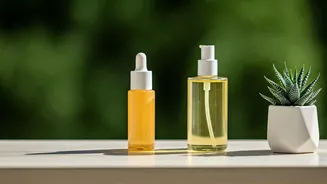
A modern low-heat hair care strategy prioritizes protection and minimal intervention. Many individuals now opt to gently towel-dry their hair, apply a lightweight leave-in conditioning product, and then allow their hair to air-dry naturally while they attend to their morning activities. Alternatively, some choose to style their damp hair overnight, anticipating waking up to beautifully formed natural waves. This approach effectively replaces the typical 30–45 minutes spent manipulating hot tools with a more patient, product-assisted method. By allowing hair to set naturally, these routines significantly reduce the risk of long-term heat-induced damage. Low-heat hair routines are evolving beyond a fleeting trend; they represent a considered response to environmental stressors and changing lifestyle needs. As summers intensify and the visible consequences of styling damage become more apparent, air-drying techniques present a more straightforward and beneficial method for maintaining hair that is both manageable and naturally beautiful, without a heavy dependence on heated styling appliances.