



Tire Traction Tactics
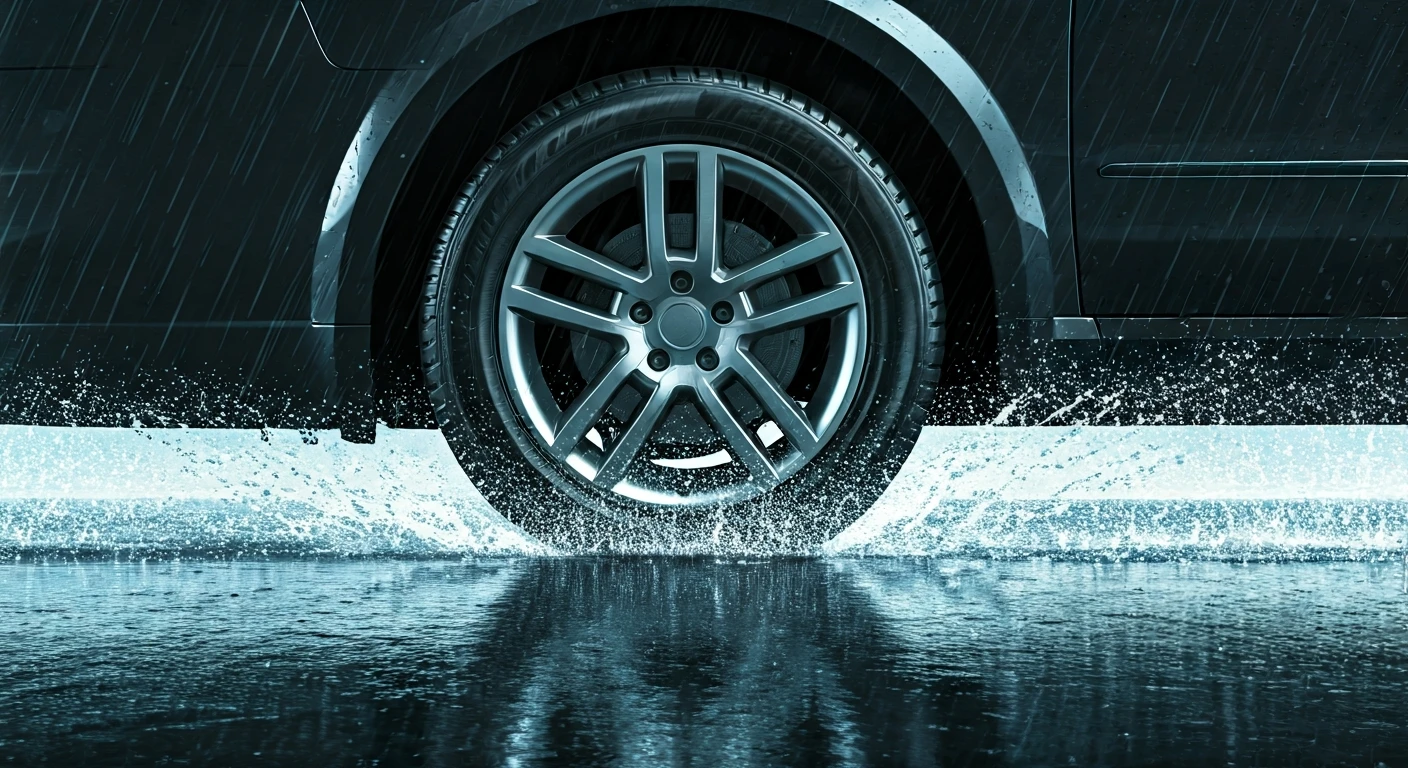
Before venturing out into the monsoon downpour, a thorough inspection of your vehicle's tires is paramount. Ensure they possess ample tread depth, as this
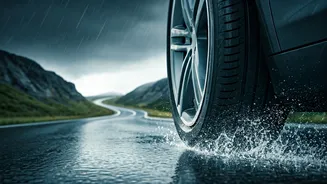
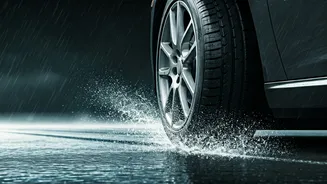
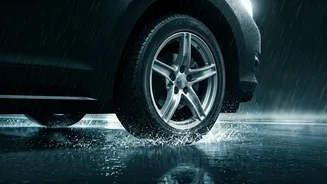
is your primary connection to the road. Worn-out tires significantly compromise grip on slick surfaces, drastically increasing the likelihood of dangerous skids. Properly inflated tires with sufficient tread are your first line of defense against hydroplaning and loss of control on wet asphalt. Regularly check your tire pressure and inspect for any signs of wear and tear, replacing them if they've seen better days. This proactive measure can be the difference between a smooth ride and a perilous slide.
Braking Power Check
Your braking system is an absolutely critical component for safe driving, especially when the roads are slick with rain. In wet conditions, the stopping distance for your vehicle will invariably increase. It is therefore imperative to ensure that your brakes are in peak working condition. This means regular checks of your brake pads, rotors, and fluid levels. Any compromise in your braking system can lead to a dangerously extended stopping distance, making it difficult to avoid collisions. Maintaining your brakes diligently guarantees you have the responsiveness needed to stop effectively when unexpected hazards arise on the road.
Visibility Essentials
Clear visibility is non-negotiable when navigating through heavy rain. Your windshield wipers are your frontline defense against water obscuring your view. Ensure they are not cracked or worn, and that they clear the glass effectively without streaks. Equally important is the defogger system, which combats condensation build-up on the inside of your windows. Fogged-up windows can severely limit your sightlines, making it incredibly difficult to perceive your surroundings. Regularly clean your windshield and ensure both wipers and defogger are fully functional to maintain optimal visibility throughout your drive.
Illuminating Your Path
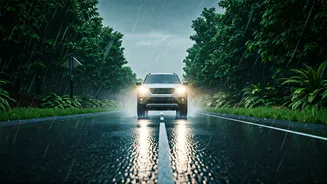
Proper illumination is key to being seen and seeing your way through challenging rainy conditions. Ensure all your vehicle's lights – headlights, taillights, and indicators – are in perfect working order. Even during daylight hours, using your headlights can significantly improve your car's visibility to other motorists, especially in the reduced light of a rainy day. This helps prevent accidents by making your presence known to others on the road. A quick check before you depart can save you from potential trouble and ensure you are both visible and able to see.
Waterlogged Road Caution
Encountering flooded roads during monsoon season presents a significant risk to your vehicle and your safety. It is strongly advised to avoid driving through deep water. Submerging your car in flooded areas can lead to severe damage to its engine, electrical systems, and catalytic converter, resulting in costly repairs. Moreover, the depth of the water can be deceptive, and your vehicle can easily stall or be swept away. Always assess the situation, and if a road appears waterlogged, it is far safer to seek an alternative route rather than risk driving through the deluge.
Safe Following Distance
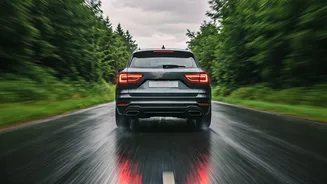
When driving in the rain, the dynamics of the road change, and maintaining a safe following distance becomes critically important. The increased stopping distances required on wet surfaces mean you need more buffer space between your car and the vehicle ahead. Aim to double or even triple your usual following distance. This extra space provides you with the necessary reaction time to brake or maneuver safely if the car in front of you stops suddenly. It's a simple yet effective strategy to mitigate the risks associated with reduced traction and visibility.
Steady Driving Pace
Sudden changes in speed can be particularly hazardous when driving on wet roads. Avoid abrupt acceleration or braking, as these actions can easily lead to a loss of tire grip and potential skids. Instead, adopt a strategy of driving slowly and steadily. Maintain a moderate and consistent speed, allowing your tires to maintain consistent contact with the road surface. Smooth, predictable driving not only enhances your control over the vehicle but also contributes to a more relaxed and secure journey for everyone on board.