
Dough: The Foundation
The initial step toward crafting amazing bhature rests in the preparation of the dough. The consistency of your dough holds the utmost importance. It is essential
to ensure the dough remains slightly firm, as this characteristic plays a significant role in achieving the desired texture of your bhature. A firm dough promotes the development of air pockets during frying, contributing to the signature puffiness and lightness. In addition to the flour, incorporate yogurt into your dough mixture. The yogurt adds a slight tang and helps to tenderize the dough. Semolina is another key ingredient, adding a distinct texture to your bhature. By incorporating semolina, you encourage a lightly crisp exterior to the final fried product. Don't rush this process; carefully measure out each ingredient before incorporating it into the dough. Following these recommendations sets the stage for flawless bhature every single time.
Fat: The Frying Agent
The quality of your cooking oil or ghee can considerably impact the flavor and texture of your bhature. While ghee can impart a rich, authentic taste, oil is a great alternative, particularly if you are watching your fat intake. Select an oil with a high smoke point, such as vegetable or canola oil. This prevents the oil from breaking down during frying and affecting the flavor of your bhature. It is essential to heat the oil to the right temperature. This is crucial for achieving that characteristic puff and crisp exterior. The oil should be hot enough to instantly puff the bhature but not so hot that it browns too quickly or burns. The temperature will ensure the bhature cook evenly and develop a delightful texture. For the best outcomes, the oil temperature should be right; this is a key step towards achieving ideal results when frying.
Resting Time Matters
Allowing the dough to rest properly is a crucial step that is often overlooked in bhature preparation. After mixing the ingredients and kneading the dough, give it a significant resting period. The recommended resting time for the dough is between two to three hours. During this period, the gluten in the flour relaxes, and the flavors meld, resulting in a more tender and flavorful final product. The resting time also allows the dough to rise slightly, contributing to the bhature's characteristic puffiness. Covering the dough while it rests will prevent it from drying out. This also ensures that the dough remains soft and flexible for easier rolling. The wait may be difficult, but you can be certain that your patience will be rewarded with the best bhature. Do not skip this step!
Rolling For Uniformity
When the dough has rested, it's time to prepare it for frying. Before rolling, divide the dough into equally sized portions. Rolling the dough to the correct thickness is critical in achieving a consistent texture throughout the bhature. Roll each portion to your desired thickness. The optimal thickness typically ranges between 1/4 to 1/2 inch. Avoid rolling the bhature too thin, as they may become crispy instead of puffy. Avoid rolling too thick, as they may not cook through properly during frying. Aim for a consistent thickness across the entire bhature to ensure even cooking. Try to roll them into roughly circular or oval shapes for a pleasing aesthetic. The rolling stage determines the shape and is critical to achieving a uniform final product. A skilled rolling stage will go a long way in ensuring your bhature's successful outcome.
Frying: The Final Step
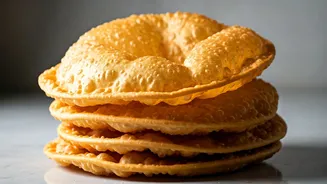
Once your dough has been rolled, the final step involves frying these delightful bhature. Carefully lower each rolled bhature into the hot oil. Ensure that the oil is hot and ready. The oil's heat is what will cause the bhature to puff up instantly. As the bhature hits the hot oil, gently press down on the center with a slotted spoon or spatula. Doing so aids in even puffing and ensures the bhature inflates fully. Fry each bhature for about a minute or two on each side, or until it is golden brown and puffed up. Remove the bhature from the oil with a slotted spoon and let it drain on a plate lined with absorbent paper. This removes any excess oil and maintains the crispiness of the bhature. A successful frying step will leave you with delicious bhature.