




What is Gangaur?
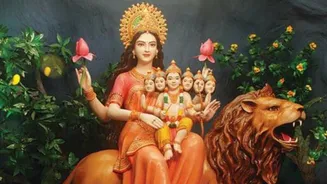
Gangaur stands as one of Rajasthan's most cherished and lively festivals, primarily celebrating the profound bond between Lord Shiva, known as 'Gan,' and Goddess
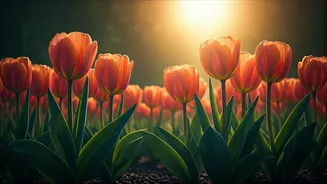
Parvati, referred to as 'Gauri.' This festival, observed during the Hindu month of Chaitra, which typically falls between March and April, heralds the advent of spring and embodies themes of enduring love, unwavering devotion, and profound marital happiness. It holds particular importance for women, who partake in its rituals with earnest prayers for a suitable life partner or for the sustained well-being and longevity of their husbands. Across Rajasthan, the festival is observed in varied ways, with women customarily honoring the divine couple at their homes, engaging in prayers and festivities that underscore the significance of this auspicious occasion.
Historical Roots
The origins of Gangaur are deeply intertwined with ancient Indian traditions and rich mythology, with its narrative notably centered around Goddess Gauri's steadfast devotion to Lord Shiva. This historical foundation has allowed the festival to evolve over centuries into a significant cultural event that beautifully reflects sentiments of love, unwavering fidelity, and the pursuit of prosperity. The enduring legacy of these ancient stories imbues the festival with a profound sense of continuity and cultural importance, making it a cherished tradition passed down through generations. It serves as a powerful reminder of the cultural values and spiritual beliefs that have shaped Rajasthan's identity.
Duration and Timing
The commencement of the Gangaur festival is marked on the very first day of the Hindu month of Chaitra, immediately following the jubilant celebrations of Holi. This period signifies a transition from the harshness of winter to the gentle embrace of spring. The festivities then extend for a considerable duration, typically spanning approximately 16 to 18 days. This extended timeframe allows for a thorough and immersive experience of the festival's rituals and cultural expressions, culminating in a prolonged celebration of the season's change and the rich cultural heritage associated with it. The festival's timing is intrinsically linked to the natural cycle of renewal and rebirth.
Grand Processions
A truly captivating aspect of the Gangaur festival, particularly in the bustling city of Jaipur, is the spectacle of its grand processions. These vibrant parades feature intricately decorated palanquins carrying the revered clay idols of Isar and Gangaur through the streets. The processions are further enlivened by the performances of skilled folk artists, accompanied by the resonant melodies of traditional Rajasthani music. This visual and auditory feast not only showcases the religious devotion central to the festival but also serves as a magnificent display of Rajasthan's rich and diverse cultural tapestry, drawing crowds and fostering a communal spirit of celebration and cultural pride.
Rituals and Traditions
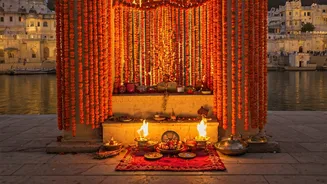
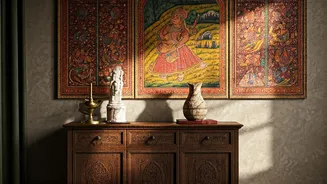
The heart of Gangaur lies in its deeply meaningful rituals, predominantly observed by women. They meticulously fashion and adorn clay idols representing Gan (Lord Shiva) and Gauri (Goddess Parvati), often embellishing them with intricate patterns and precious jewelry. Throughout the festival, women engage in devotional worship, sing traditional songs that echo the legends of the deities, and adorn their hands with beautiful henna designs. The prayers offered differ based on marital status: unmarried girls earnestly pray for a good and suitable husband, while married women seek blessings for the long life, prosperity, and well-being of their spouses, embodying the festival's focus on marital harmony and devotion.
Cultural Exuberance
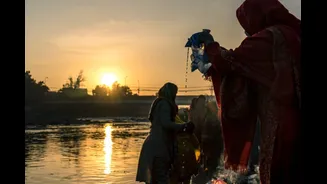
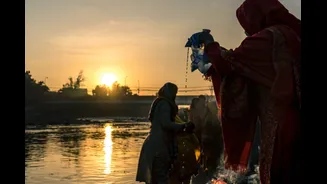
More than just a religious observance, Gangaur is a profound expression of cultural exuberance, symbolizing devotion, fertility, and the joyous welcoming of spring. The climax of the festival involves the symbolic immersion of the idols into water bodies, signifying Goddess Gauri's return to her celestial abode. This poignant act marks a tender farewell to the divine presence while simultaneously heralding a renewed cycle of life and the promise of future blessings. The festival thus encapsulates a beautiful blend of emotional reverence and the optimism associated with the changing seasons, reinforcing its significance in the cultural fabric of Rajasthan.