






Reviving Arctic Ambitions
US Vice President JD Vance has recently brought the discussion around greater American influence over Greenland back into the spotlight, echoing sentiments
previously voiced by President Donald Trump. Vance articulated a clear perspective: given the significant US investment in protecting the vast Arctic territory, it's only logical that the United States should derive tangible strategic advantages. This aligns with Trump's initial suggestion in 2019 to purchase Greenland from Denmark, a move driven by the island's crucial Arctic location, its substantial mineral wealth, and its importance for defense capabilities. Although this idea was met with firm rejection from Denmark's Prime Minister Mette Frederiksen and Greenlandic leaders at the time, calling it 'absurd,' Vance's recent statements suggest a renewed effort to explore this strategic avenue, indicating that the strategic value of Greenland remains a key consideration for US foreign policy.
Geopolitical Chessboard
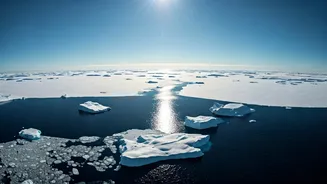
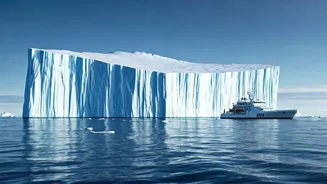
As President Trump began his second term in January 2025, the Greenland proposal re-emerged with a heightened sense of urgency. The rapidly melting Arctic ice, a consequence of climate change, is unlocking new and vital shipping routes north of Russia and Canada. These emerging passages hold the potential to reshape global trade dynamics while simultaneously presenting opportunities for rival powers to project military strength closer to North America. Greenland's strategic positioning is paramount for the US in this evolving landscape, offering unparalleled advantages for monitoring submarine activity, tracking intercontinental missiles launched over the North Pole, and securing critical maritime chokepoints such as the Greenland-Iceland-United Kingdom (GIUK) gap. This strategic imperative is further amplified by the broader US objective of countering China's growing influence in the Arctic and its race for rare earth minerals, essential components for advanced technologies like electric vehicles and sophisticated weaponry.
Economic & Defense Ties
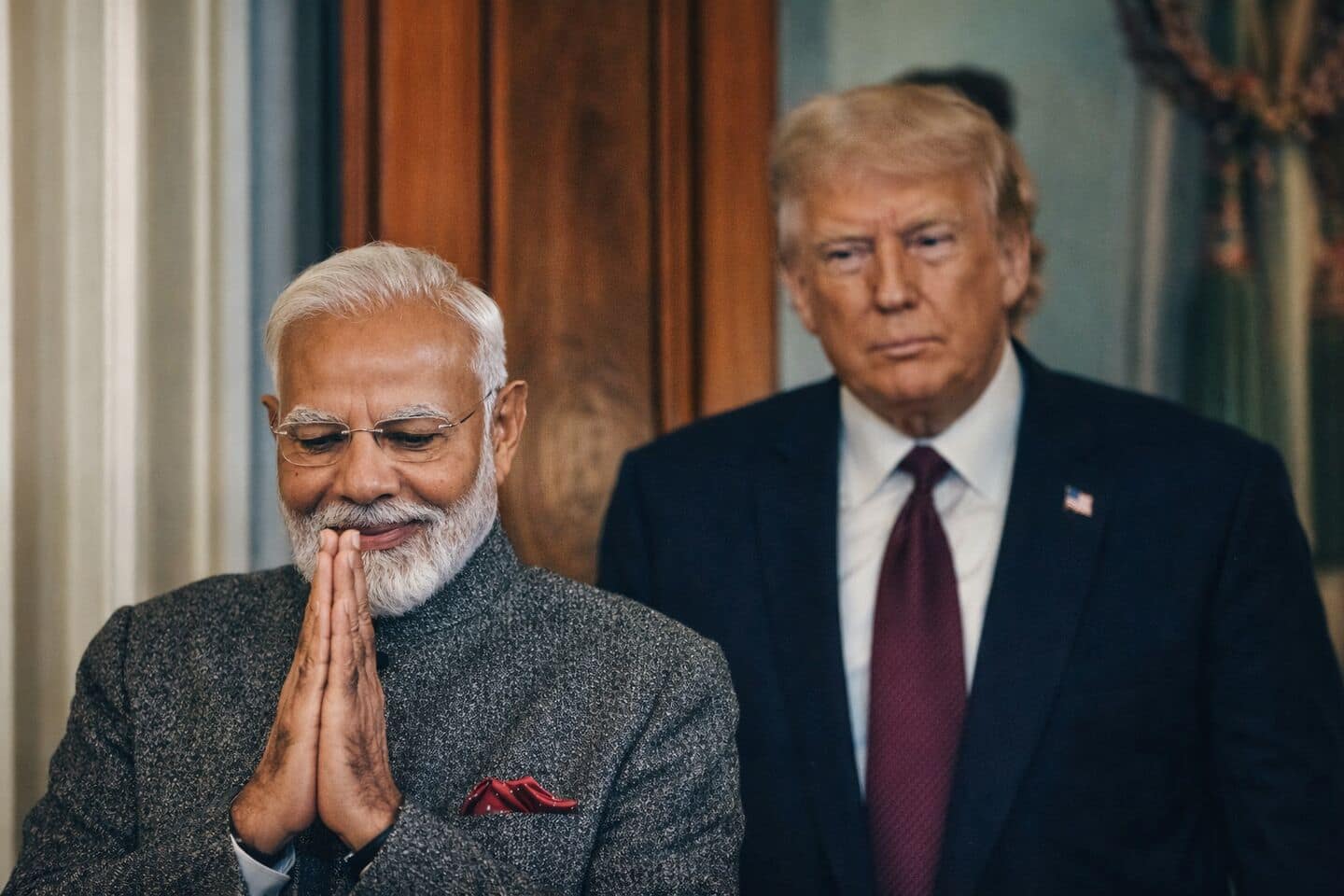
The renewed focus on Greenland is intrinsically linked to overarching US foreign policy goals, particularly in asserting dominance in the Western Hemisphere and mitigating the expansion of Russian and Chinese Arctic presence. This strategic push, however, has not been without its diplomatic friction, having strained relations with key European NATO allies like Denmark, who perceive it as an act of coercion within the alliance. Despite ongoing discussions, the fundamental issue of sovereignty remains a significant hurdle. Vice President Vance's recent pronouncements followed intense discussions in January 2026 during high-level White House meetings with Danish and Greenlandic officials. These talks, though aimed at what the US termed 'technical discussions' regarding acquisition, ultimately stalled due to the unresolved question of sovereignty. The situation underscores the delicate balance the US seeks to strike: bearing the substantial costs of defending Greenland's extensive territory while simultaneously pursuing enhanced defense control, including access to vital mineral resources and the implementation of advanced defense systems like the Golden Dome missile shield.