
Scalp Massage: A Natural Stimulant
Scalp massage is a timeless, accessible technique that works by enhancing blood flow to the scalp. This increased circulation delivers essential nutrients
and oxygen directly to hair follicles, which is crucial for promoting hair growth and reducing shedding. While it may not be a complete solution for severe or long-standing baldness, consistent application can significantly improve hair texture, minimize hair loss, and encourage new growth in areas experiencing thinning. The effectiveness of scalp massage is rooted in biological processes, making it a potent, side-effect-free method to support overall hair health. It acts as a gentle yet effective wake-up call for dormant or underperforming follicles.
The Science Behind It
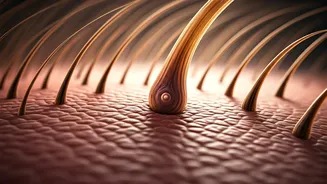
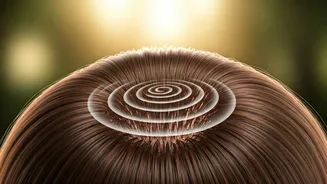
The effectiveness of scalp massage stems from fundamental biological and mechanical principles. By physically manipulating the scalp, you create a surge of blood flow through the network of small blood vessels beneath the skin. This enhanced circulation ensures that hair follicles receive a richer supply of oxygen and vital nutrients necessary for healthy growth. Furthermore, research indicates that the stretching action of a massage can stimulate dermal papilla cells, located at the base of hair follicles. This mechanical stimulation can signal these cells to encourage the regrowth of thicker, more robust hair strands. While dramatic transformations akin to fictional portrayals are unlikely, it remains one of the most sustainable and natural approaches to nurturing your hair's vitality.
Addressing Bald Spots Effectively
While scalp massage isn't a miraculous cure for all forms of hair loss, it can be a powerful complementary tool, particularly for early-stage thinning or stress-induced hair loss. If follicles are merely in a 'resting' phase or experiencing reduced circulation due to stress, massage can help reactivate them. However, for cases of advanced or long-term permanent baldness where follicles have been inactive for many years, the visible results might be less pronounced. Nevertheless, creating a healthy scalp environment through massage is foundational for the success of any hair restoration treatment. Even in stubborn areas, improving scalp health through massage offers benefits with no downside.
Optimal Timing for Massage
The frequency of scalp massage is more critical than the exact timing, but strategic scheduling can enhance its benefits. A popular time is before bed, allowing the scalp to benefit from the body's natural repair processes during sleep. Massaging your scalp before applying hair oils can improve product penetration, ensuring nutrients reach the follicles rather than just coating the hair shaft. Post-shower is also an ideal window, as the pores are open and the scalp is clean, making it receptive to stimulation. The golden rule, however, is consistency; aiming for at least 4–5 sessions per week is recommended to observe tangible changes, as infrequent massages will yield minimal results.
Mastering the Technique
Effective scalp massage doesn't require special tools; your hands are sufficient. Start with a dry scalp or use a light oil like rosemary or jojoba. Crucially, use the fleshy pads of your fingertips, not your nails, to avoid micro-tears and damage to the hair roots. Begin at the hairline, applying slow, deliberate circular motions as you move towards the crown and then down to the nape of your neck. The pressure should be 'just right'—firm enough to feel the scalp moving over the bone, but not so intense that it causes pain. Dedicate at least 3 minutes to areas of thinning, using firm, rhythmic circles to boost circulation. Conclude with a light fingertip tapping, like gentle rain, and a very soft tug on small sections of hair to stimulate nerve endings at the root. Aim for a total session duration of 10–15 minutes.
Enhancing with Oils
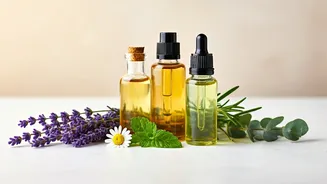
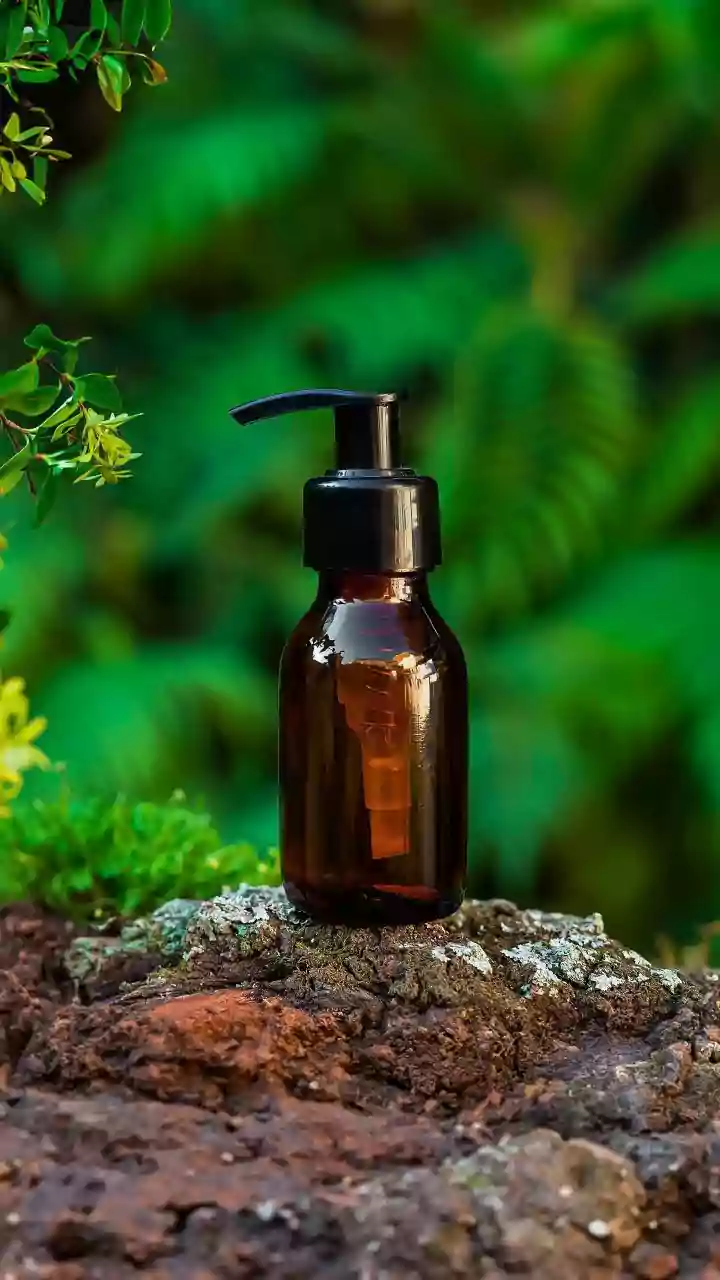
Incorporating specific oils can amplify the benefits of your scalp massage, acting like a targeted fertilizer for your hair. Rosemary oil is highly regarded, with some studies suggesting it can be as effective as 2% minoxidil for initiating hair regrowth. Castor oil, though thick and potentially messy, is exceptionally nourishing for thinning areas and supports overall scalp health. Onion oil, despite its strong aroma, is rich in sulfur, a compound that many believe helps reduce hair breakage and strengthen strands. These natural additives can work synergistically with the massage to provide potent nourishment directly to the hair follicles.
Common Pitfalls to Avoid
Even with the best intentions, certain mistakes can hinder your progress with scalp massage. Treating it as an infrequent 'weekend warrior' activity, expecting instant results, will yield little benefit; consistency is key for long-term improvement. Applying excessive pressure, leading to increased hair shedding during the massage, is another common error; ease up if you notice this. Furthermore, using too much heavy oil without proper cleansing can lead to clogged pores and impede follicle function, counteracting the desired effects. Be mindful of these common errors to ensure your massage routine is truly beneficial.
Realistic Expectations and Timeline
When embarking on a scalp massage routine, setting realistic expectations is vital. Within the first month, you might notice your scalp feeling less tight and dry, and potentially observe a reduction in shedding. By the second month, the existing hair may appear glossier and have more lift at the roots. The most significant changes, such as the appearance of fine 'baby hairs' filling in sparse areas, typically become visible between three to six months of consistent practice. Patience and regularity are crucial; these timelines are approximate and can vary based on individual factors and the underlying cause of hair thinning.
Holistic Hair Health Approach
For optimal hair health and growth, scalp massage should be complemented by a comprehensive approach to well-being. Ensuring adequate protein intake is fundamental, as hair is primarily composed of protein. Staying properly hydrated and actively managing stress levels are also critical factors that significantly influence hair vitality. In an era saturated with expensive treatments and chemical solutions, the simplicity and natural efficacy of scalp massage offer a refreshing alternative. It requires minimal investment—just time and patience—making it an empowering way to take proactive control of your hair's health, proving that sometimes, the oldest methods are indeed the most effective.