





Understanding Venous Health
Veins are vital conduits, returning blood to the heart against gravity, particularly from the legs. This complex task relies on one-way valves and the rhythmic
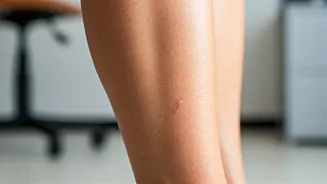
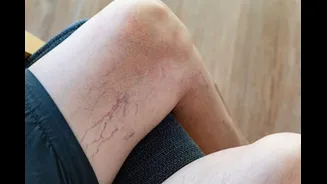
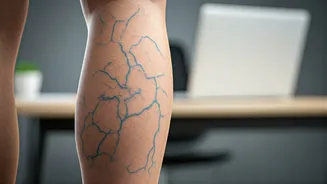
action of leg muscles. When these valves falter or pressure builds, blood can pool, leading to conditions such as chronic venous insufficiency and the more visually apparent varicose veins – those enlarged, twisted bluish-purple vessels beneath the skin. Spider veins are their smaller, superficial counterparts. A far graver concern is deep vein thrombosis (DVT), where a clot forms in a deep vein, posing a risk of life-threatening pulmonary embolism if dislodged. Early indications, often mistaken for mere fatigue, include leg discomfort, a feeling of heaviness, ankle swelling, nighttime cramps, or a burning sensation after extended periods of sitting or standing.
Modern Risks for Youth
While venous issues have always existed, their diagnosis in younger individuals is rising due to increased awareness and better diagnostic tools. Today, poor lifestyle habits and prolonged work hours are primary culprits, especially for professionals in IT, finance, and corporate sectors who spend 8-12 hours seated. This inactivity slows circulation, causing blood to gather in the legs, increasing vein pressure and weakening valves. Irregular sleep, dehydration, and high-stress environments further disrupt venous blood flow. Long commutes in congested cities and even remote work, often involving fewer breaks, exacerbate the problem. Factors like chronic stress, poor hydration, high-sodium diets, frequent travel leading to prolonged immobility, obesity, smoking, and hormonal influences in women also heighten risk. A common misconception is that youth equates to invincibility, leading many to ignore subtle early signs like leg heaviness or cramps until the condition has significantly progressed.
Diagnosis and Management
Fortunately, early-stage venous disease is manageable. The diagnostic process typically starts with a physical assessment, followed by a Doppler ultrasound. This non-invasive scan effectively visualizes blood flow and identifies valve malfunctions or the presence of clots. While sophisticated, minimally invasive treatments allow for rapid recovery, a definitive diagnosis requires professional medical evaluation. For milder cases, lifestyle adjustments are paramount. This includes incorporating regular movement breaks, elevating the legs, maintaining a healthy weight, staying hydrated, and avoiding static postures. Compression stockings are often recommended to enhance circulation. Advanced cases benefit from minimally invasive procedures like sclerotherapy, which seals off problematic veins with injections, or endovenous laser/radiofrequency ablation, which uses heat to close them. For DVT, anticoagulant medications are prescribed to prevent clot progression and reduce complications.
Workplace and Prevention
The increasing prevalence of venous disease among young professionals highlights a gap in corporate wellness programs, which often overlook vascular health. Given the sedentary nature of many modern jobs, advocating for regular movement breaks, implementing standing desks, and encouraging short walking meetings are crucial employer interventions. Companies can also promote ergonomic workspace designs and foster a culture that normalizes brief mobility periods. Public health campaigns need to broaden their scope beyond prevalent diseases like diabetes to include venous disorders in younger demographics. Screening for individuals with a family history, obesity, smoking habits, or frequent travel could aid in early detection. On an individual level, simple habits like standing or walking for five minutes each hour, performing calf raises, and ankle rotations can significantly boost circulation. During travel, frequent leg movement and hydration are key. Regular exercise, particularly activities like brisk walking, cycling, or swimming, strengthens leg muscles and improves blood return. Persistent leg discomfort should never be disregarded; seeking timely medical advice is essential for preventing long-term issues.