

Celestial Location Revealed
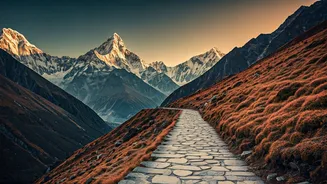
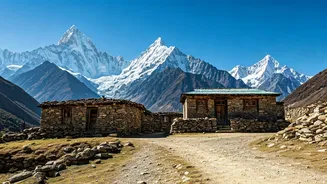
Nestled at an astonishing altitude of approximately 10,498 feet (3,200 meters) within Uttarakhand's Chamoli district, Mana stands as a remote Himalayan
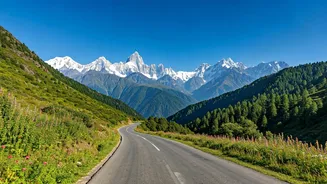
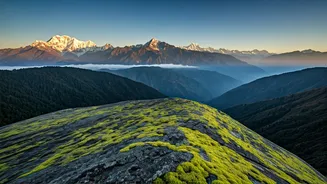
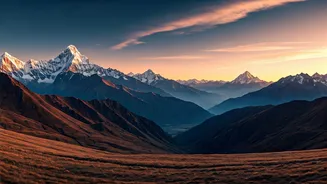
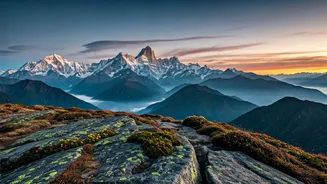
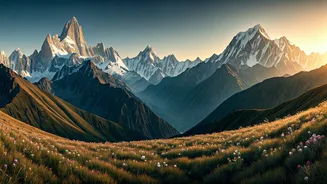
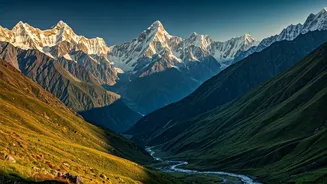
settlement. This remarkable village is situated in close proximity to the international border with China, making its strategic placement significant. It lies just about 3 kilometers away from the renowned pilgrimage site of Badrinath Temple. The breathtaking landscape is characterized by towering, snow-clad peaks, and the chilly climate contributes to Mana's isolation, solidifying its status as one of India's most secluded hamlets. This elevated position places it literally above the clouds for much of the year, offering unparalleled views and a unique living experience.
A Tapestry of Tradition
The heart of Mana beats with the rhythm of the Bhotiya community, a traditional Himalayan tribe comprising most of its roughly 1,200 inhabitants. These residents primarily sustain their livelihoods through the vibrant tourism sector, operating small shops that offer local handicrafts and unique products. Seasonal farming also plays a role in their economy. Many of the locals are skilled artisans, creating traditional woolen garments and preparing herbal teas and local delicacies that draw visitors. This blend of traditional mountain living and engagement with the modern world through tourism defines the daily life and economic fabric of Mana.
Echoes of Mythology
Mana is deeply interwoven with India's rich mythological past, holding significant ties to the epic Mahabharata. Legends suggest that the Pandavas, the heroic protagonists of the epic, traversed this region. Nearby landmarks further solidify these connections: Bhim Pul, a natural bridge, is said to have been created by Bhima, one of the Pandavas, while Vyas Gufa (Cave of Vyas) is believed to be the meditation site of Sage Ved Vyasa, the scribe of the Mahabharata. These sites are not merely geographical features but sacred spots that attract pilgrims and history enthusiasts alike, adding a profound spiritual dimension to the village's allure.
River of Legends
A truly enchanting natural phenomenon near Mana is the believed origin of the Saraswati River. Visitors can witness a powerful, albeit small, stream carving its path through the rugged mountain terrain. This nascent river eventually cascades and merges with the larger Alaknanda River, another significant waterway in the region. The Saraswati River holds immense cultural and religious importance in Hinduism, often depicted as a divine and mythical entity. Its presence near Mana adds another layer of mystique and reverence to this already extraordinary location.
A New Identity
In a notable shift, the Indian government is actively promoting border villages like Mana under a new narrative: that of India's 'First Village' rather than its 'Last Village'. This strategic rebranding aims to highlight the importance and development of these frontier settlements. The popular 'India's Last Village' signboard has been supplemented, or replaced, with signage acknowledging its new status. This initiative seeks to draw attention to the unique culture, strategic importance, and the resilience of communities living in these remote, high-altitude areas, fostering a sense of national pride and encouraging greater connectivity and development.