




Why Early Sprouts Happen
Bulbs sometimes exhibit premature sprouting due to a combination of factors, primarily related to their journey and storage. These include suboptimal conditions
during transit from grower to consumer, delays in planting after arrival, or simply the inherent nature of certain bulb varieties that are predisposed to rapid growth. For instance, bulbs like colchicum, amaryllis, and paperwhites are known for their eagerness to sprout, even outside of their ideal planting environment. The goal for most gardeners is for bulbs to initiate growth in the soil, contributing to a healthy bloom cycle in spring. However, if you find shoots emerging while bulbs are still in their packaging or storage, it's not a cause for immediate alarm, as there are usually effective ways to salvage the situation or temporarily halt their development until planting time is appropriate. Understanding these underlying causes is the first step in managing this common gardening concern.
Optimal Storage Secrets
To prevent bulbs from breaking dormancy prematurely, maintaining the right storage environment is crucial. Bulbs thrive in conditions that are cool, dark, and moderately humid. It's essential to avoid freezing temperatures, but also excessively warm or dry environments. During transit, bulbs should ideally be kept cool to remain dormant. A common mistake is storing them near ripening fruit, as the ethylene gas emitted by fruit can accelerate sprouting. For long-term storage, consider placing bulbs in boxes filled with insulating materials like hay or peat moss, ensuring they have some space between them to prevent the spread of any potential issues and to allow for air circulation. This careful approach helps maintain the bulb's viability and delays growth until it's time for planting.
The Planting Urgency
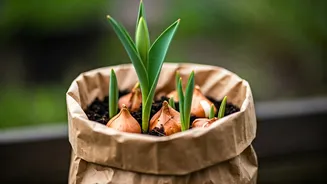
The timing of planting plays a significant role in preventing early sprouting. While it's advisable to avoid purchasing bulbs that have already developed noticeable shoots, the presence of very small, undeveloped shoots isn't necessarily a deal-breaker. After being harvested, bulbs might naturally begin to show tiny white or light-green shoots if they've been stored correctly by the grower. These shoots are typically not yet forming leaves or flowers. Ideally, bulbs with these nascent sprouts should be planted in the ground as soon as possible upon bringing them home. If immediate planting isn't feasible, then employing proper storage techniques becomes even more critical to delay growth until the optimal planting window arrives.
Eager Sprouters Explained
Certain bulb varieties possess a natural inclination to sprout when exposed to the slightest warmth, increased light, or moisture – signals that typically indicate optimal growing conditions. This eagerness serves as a clear cue for gardeners to plant them promptly. Among these proactive sprouters are Colchicum, a fall-blooming bulb that can even grow and flower on a windowsill without soil. Amaryllis is another notable example, often sold encased in wax, which can grow and bloom prolifically but may become top-heavy. Paperwhites are notorious for their rapid response to warmth; leaving them in a heated room can easily trigger sprouting within their packaging before they even reach the garden bed.
Managing Premature Growth
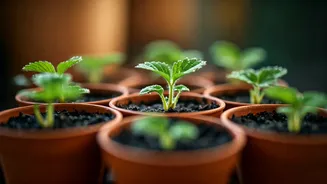
Encountering bulbs that have sprouted before planting is a common gardening scenario, and fortunately, it's often manageable with prompt action. The emergence of sprouts is a strong indicator that the bulbs are responding to environmental cues and are ready for planting. If you can't get them into the ground immediately, an excellent alternative is to pot them up. Simply place a thin layer of potting soil both beneath and above the bulbs in the container. During this temporary indoor storage, it's crucial to refrain from watering or fertilizing them. Another effective method to slow down their development is by refrigerating the bulbs, taking care to keep them well away from any fruits to prevent accelerated sprouting.