






Legumes: Fiber's Downside
Beans and lentils, celebrated for their high fiber content that aids digestion and prevents constipation, can also be a source of significant gas for many
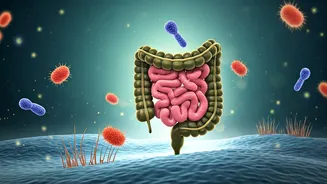
individuals. This is primarily due to their richness in oligosaccharides, a type of carbohydrate that our small intestine cannot fully break down. A specific oligosaccharide called raffinose requires fermentation by bacteria in the colon to be digested. This fermentation process, a natural part of gut activity, releases gases like hydrogen, carbon dioxide, and methane, which contribute to flatulence. To mitigate this, gradual introduction of legumes into your diet, along with pre-soaking dried beans overnight or thoroughly rinsing canned varieties, can help your digestive system adapt and reduce gas production.
Cruciferous Veggies: FODMAP Fighters
Vegetables such as broccoli, Brussels sprouts, cauliflower, cabbage, and kale, belonging to the _Brassica_ genus, are frequently linked to gas and bloating. These vegetables are high in FODMAPs (fermentable oligosaccharides, disaccharides, monosaccharides, and polyols), which are short-chain carbohydrates that are poorly absorbed in the small intestine. Similar to legumes, some cruciferous vegetables contain raffinose and fructans, types of oligosaccharides that can lead to increased gas through fermentation by gut bacteria. While highly nutritious, if these vegetables cause you discomfort, consider cooking methods like steaming or roasting to improve digestibility. Alternatively, exploring lower-FODMAP options like bok choy, eggplant, lettuce, cucumbers, zucchini, and bell peppers can provide similar nutritional benefits without the gassy side effects.
Dairy's Lactose Link
Milk, ice cream, and other dairy products contain lactose, a natural milk sugar. For efficient digestion, the body needs an enzyme called lactase to break down lactose. Individuals with lactose intolerance or sensitivity have insufficient levels of this enzyme, leading to symptoms such as diarrhea, stomach cramps, and gas after consuming dairy. It's a common issue, with nearly 70% of the global population experiencing some degree of lactose intolerance, and lactase enzyme production often decreasing with age. Switching to lactose-free dairy alternatives or plant-based options fortified with essential nutrients like calcium, vitamin D, and vitamin B12 can be an effective strategy to avoid digestive distress if lactose is your trigger.
Sugar-Free Gum: Sweetener Sneakiness
Many sugar-free chewing gums use sugar alcohols, also known as polyols, as sweeteners. These polyols, such as xylitol and sorbitol, are a type of FODMAP and can cause intestinal discomfort by promoting gas production as they are fermented by gut bacteria. Studies suggest that xylitol-containing gum can expedite gas occurrence. If chewing gum is a contributing factor to your gas, consider switching to brands sweetened with erythritol, which may be better absorbed in the small intestine, potentially reducing gas. However, be aware of potential health concerns associated with erythritol. Additionally, the simple act of chewing gum itself can lead to swallowing more air, exacerbating flatulence regardless of the sweetener.
Carbonated Drinks: Bubbles of Gas
The effervescence in carbonated beverages, including sodas, sparkling water, and bubbly energy drinks, can be a direct source of excess gas. When you consume these drinks, especially quickly or through a straw, you tend to swallow more air. This trapped air can contribute to feelings of bloating and increased flatulence. While individual responses vary, if fizzy drinks are a known trigger for your digestive issues, reducing your intake and opting for plain water is advisable. To make water more appealing, consider infusing it with natural flavors like rosemary, thyme, citrus fruits, or cucumber slices for a refreshing and gas-free alternative.