





Ayurveda's Daily Ritual
In the ancient wisdom of Ayurveda, a dedicated daily routine known as Dinacharya is prescribed to harmonize the body with the natural cycles of existence.
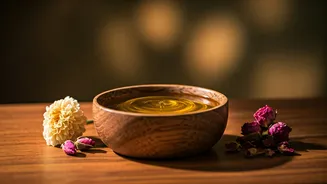
This structured approach is designed to foster equilibrium within both the mind and body, serving as a powerful preventative measure against illness and a pathway to enduring vitality. Among the many beneficial practices within this regimen, Abhyanga, the art of self-administered oil massage, stands out as particularly transformative, especially for women navigating the complexities of modern life. Dr. Monisha V.M., a Consultant Physician at Apollo AyurVAID, sheds light on this profound ritual, explaining its core principles and extensive advantages. Abhyanga involves the application of warm, often medicated, oil across the entire body, utilizing gentle, flowing strokes. Traditionally performed just before bathing, this practice is lauded in classical Ayurvedic texts for its ability to decelerate the aging process, alleviate profound fatigue, and crucially, pacify Vata dosha. Vata, responsible for governing movement, the nervous system, and indeed, the subtle rhythms of the reproductive system, is frequently imbalanced by contemporary stressors.
Modern Stressors & Vata Imbalance
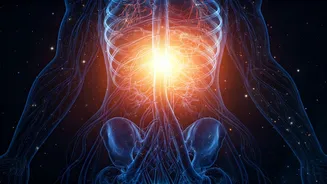
The relentless pace of modern existence, characterized by chronic stress, erratic schedules, pervasive screen time, and insufficient rest, frequently disrupts the delicate balance of Vata dosha. This imbalance can manifest in a myriad of uncomfortable ways for women, including persistent feelings of fatigue, heightened anxiety, dryness of the skin and mucous membranes, disrupted sleep patterns, and significant hormonal irregularities. These symptoms are direct reflections of Vata's disturbed state, impacting everything from digestion and sleep to mood and menstrual cycles. The profound impact of Abhyanga lies in its ability to directly counteract these modern ailments by providing deep nourishment to the body's tissues, fostering improved blood circulation, and significantly enhancing the skin's overall tone, complexion, and elasticity. Furthermore, it offers vital support to muscles and joints, contributes to longevity, sharpens vision, and cultivates a state of deeper, more restorative sleep. Ayurveda particularly emphasizes the application of oil to key areas such as the head, ears, and the soles of the feet, as these points are conduits to calming the nervous system and effectively stabilizing aggravated Vata, bringing a sense of grounded tranquility.
Choosing the Right Oil
Ayurveda recognizes a vast array of oils, including specially formulated herbal concoctions, for use in Abhyanga, each offering unique therapeutic properties. However, it is imperative to understand that a one-size-fits-all approach to oil selection is not optimal. The efficacy of Abhyanga hinges on choosing an oil that is in harmony with an individual's unique constitution, or Prakriti, as well as considering factors like age, the prevailing climate, and the specific geographical region one inhabits. A judicious selection ensures that the massage yields maximum benefits while diligently maintaining the individual's inherent doshic equilibrium. Incorrect oil choices, conversely, could potentially exacerbate imbalances. Therefore, consulting with an Ayurvedic practitioner or carefully assessing one's own needs is crucial for identifying the most suitable oil. This personalized approach guarantees that the Abhyanga practice serves as a truly restorative and balancing therapy, tailored to the specific physiological landscape of the individual.
When to Practice (and Avoid)
While Abhyanga is a highly beneficial practice, it is essential to approach it with mindfulness and an awareness of contraindications. It is generally advised to avoid this self-oil massage during periods of aggravated Kapha dosha, a state often associated with sluggishness and congestion. Furthermore, individuals experiencing episodes of indigestion or dyspepsia should refrain from Abhyanga until their digestive fire has been restored. A significant consideration for women is to avoid the practice during the first three days of menstruation, a time when the body is undergoing a natural cleansing process. Additionally, it is recommended to steer clear of Abhyanga immediately following intensive Ayurvedic purification therapies, such as Panchakarma, as the body is in a highly sensitive and recuperative state. By respecting these guidelines, one can ensure that Abhyanga remains a safe, supportive, and deeply restorative ritual, enhancing overall well-being without unintended consequences.
Transformative Daily Practice
Even a brief commitment of just 10 to 15 minutes dedicated to Abhyanga each day can initiate a profound transformation into a deeply restorative ritual. For contemporary women, who often juggle numerous responsibilities and face considerable daily pressures, this simple practice offers a tangible and meaningful avenue for self-care. It provides essential support in achieving hormonal balance, which is fundamental to overall physical and emotional health. Beyond hormonal regulation, Abhyanga significantly enhances emotional well-being by calming the nervous system and reducing stress responses. This consistent practice fosters a sense of inner peace and resilience. Ultimately, integrating Abhyanga into one's daily routine serves as a powerful strategy for sustaining long-term health, promoting vitality, and cultivating a deeper connection with one's own body and its innate wisdom.