



Bengali Comfort Cravings
Renowned actress Rani Mukerji recently opened up about her deeply ingrained connection to Bengali culinary traditions, admitting that strict dieting is
a challenge for her due to her love for specific comfort foods. She articulated that as a Bengali, she finds it essential to indulge in staples such as 'gudh' (jaggery), which she points out is essentially sugar, and her beloved rice, acknowledging its impact on her glycaemic index. Furthermore, she expressed an inability to forgo dishes like 'aloo sheddo' (mashed boiled potatoes), highlighting that these are integral to her sense of well-being and culinary satisfaction. This personal revelation served as a springboard for a deeper discussion on how cultural food preferences intersect with health and dietary choices, prompting an expert perspective on the matter.
The Fried Fish Debate
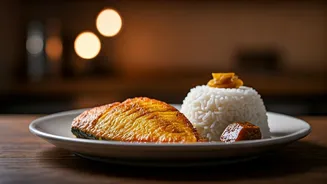
Addressing the common query about the health implications of preferring fried fish, chief dietitian Dr. Gulnaaz Shaikh from KIMS Hospital, Thane, offers a balanced view. She clarifies that fried fish isn't inherently unhealthy; its impact depends significantly on the frequency of consumption, the quantity enjoyed, and the type of oil used. Fish itself is a valuable source of high-quality protein and omega-3 fatty acids, crucial for cardiovascular and cognitive health. However, the frying process elevates calorie density and can introduce saturated or reused oils, which are less beneficial with daily indulgence. Dr. Shaikh advocates for a mindful approach, suggesting shallow frying in fresh oil, managing portion sizes, and complementing the meal with ample vegetables and fibre. She emphasizes that food is deeply tied to culture and emotion, and sustainable dietary practices, rather than rigid restrictions, are key. Enjoying fried fish as a comfort food can indeed be part of a healthy eating plan when approached with moderation and balance.
Rice: A Staple Reconsidered
The discussion shifts to rice, a food often unfairly demonized in dietary conversations. Dr. Shaikh explains that for many Indian households, particularly in Bengali culture, rice is not just a food but a significant part of their cultural identity. Plain rice, in itself, is not problematic. The actual concern lies in the quantity consumed and the accompanying food choices. When rice is paired with sources of protein like fish, dal, or chicken, along with a generous portion of vegetables and healthy fats, the absorption of glucose is slowed, preventing rapid spikes in blood sugar. For those looking to enhance fibre intake, occasional switches to hand-pounded or parboiled rice can be beneficial. However, eliminating rice entirely, unless medically advised, is unnecessary for the majority of individuals. The focus should be on a holistic approach to rice consumption within the context of a balanced meal.
Jaggery vs. Sugar
Regarding jaggery ('gudh'), Dr. Shaikh sheds light on its nutritional profile in comparison to white sugar. From a caloric and blood glucose impact standpoint, they are remarkably similar. While jaggery does contain trace amounts of minerals such as iron, these are generally insufficient to address significant deficiencies. From a metabolic perspective, both sweeteners have the potential to elevate blood sugar levels. The expert concludes that a truly healthy diet is not characterized by relentless restriction but by achieving a harmonious balance and maintaining consistency. The sustainable approach involves enjoying traditional foods, including fried fish, rice, and a touch of jaggery, in mindful portions, while ensuring regular physical activity and an overall balanced nutrient intake. This mindful indulgence is far more conducive to long-term well-being than extreme dieting.