






Education Overview
Education represents a cornerstone of societal advancement, encompassing various levels and forms to equip individuals with knowledge, skills, and values.
It extends beyond formal schooling to include vocational training, lifelong learning, and informal educational experiences. Developments in the education sector continuously shape how knowledge is disseminated, accessed, and applied. The core objectives of education involve nurturing critical thinking, fostering creativity, and promoting social responsibility. Education systems must remain adaptive to meet the needs of a diverse student population and to facilitate preparation for an increasingly complex world. It contributes to personal development as well as national development through a knowledgeable populace. The landscape of education often reflects prevailing societal values, cultural influences, and technological advancements, constantly evolving to meet the demands of the modern era. The evolution of educational approaches, curricula, and methodologies underlines the dynamic nature of education. It is, therefore, a dynamic force promoting individual growth and societal prosperity.
Current Affairs
Staying abreast of current affairs and news in education is crucial for understanding its contemporary relevance and impact. Headlines and reports provide insights into educational policies, reforms, and their outcomes. News reports may discuss innovations in teaching methods, technological integration, and changes in curriculum. Understanding the current context helps in evaluating the effectiveness of educational programs and identifying the challenges faced by students and educators alike. Local and global events, policy changes, and social trends influence the scope and focus of education. These elements shape the approaches adopted by educational institutions. Current affairs in education can include discussions about funding, accessibility, equity, and inclusion, offering a multifaceted view of its status. Awareness of educational current events encourages informed engagement in discussions and debates, supporting the development of a more responsive and robust education system.
Technology Integration
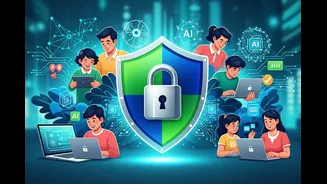
The integration of technology into education has transformed learning and teaching methodologies. Digital tools, online resources, and interactive platforms have revolutionized traditional classroom settings. Technology-enhanced learning often improves student engagement and fosters personalized educational experiences. Technologies such as artificial intelligence, virtual reality, and augmented reality offer new opportunities for immersive learning. Educational institutions now recognize the importance of digital literacy, computer skills, and information technology proficiency. As technology continues to evolve, educators must adapt and learn to effectively use these tools to foster a future-ready learning environment. The integration of technology opens doors to a wider array of educational resources. Moreover, technology facilitates remote learning, collaborative projects, and global learning opportunities. The ability to use technology is crucial for navigating modern society, which is significantly influencing the future of education.
Educational Policies
Educational policies and reforms affect the shape, structure, and functions of education systems. Policy decisions can address issues such as curriculum design, assessment methods, teacher training, and resource allocation. Government initiatives and educational policies directly impact educational institutions. These policies can emphasize specific educational priorities, such as promoting literacy, STEM education, and vocational training. Understanding education policies is essential for both educators and parents. Policymakers must consider issues of equity, access, and social justice when formulating educational reforms. The effective implementation of policies requires coordination among stakeholders. Policymaking influences how resources are distributed, the standards by which institutions and students are assessed, and the overall quality of education.
Challenges in Education
Education faces multifaceted challenges that impact students, educators, and institutions. These may include disparities in access to education, insufficient funding, and the digital divide. Additionally, issues like teacher shortages, outdated curricula, and a lack of resources often persist. Addressing these challenges is vital to ensuring equitable and quality education for everyone. Many areas need to be addressed, from improving infrastructure to fostering innovative teaching methods. These challenges include promoting inclusivity, addressing mental health issues among students, and tackling the implications of rapid technological advances. Comprehensive strategies and collaborative efforts are needed to address challenges and create a more equitable and effective learning environment for all stakeholders, as these challenges can negatively affect educational outcomes and social mobility.