
Understanding the Changes
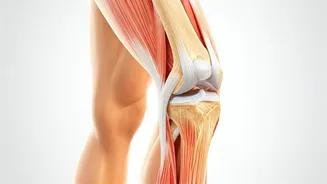
In your 50s, the body undergoes significant transformations, particularly for women. Hormonal shifts related to menopause influence muscle mass, bone density,
and metabolism. Muscle mass naturally declines, making strength training particularly vital. Bone density decreases, increasing the risk of osteoporosis, necessitating weight-bearing exercises. The metabolic rate slows down, potentially leading to weight gain; hence, incorporating both cardio and strength training becomes crucial. It is important to adjust your training to accommodate these changes. Focus on exercises that maintain and build muscle mass, strengthen bones, and support a healthy metabolism. Prioritizing rest and recovery is also essential to prevent injury and promote overall health. Consult with a healthcare professional or a certified fitness trainer to personalize your training plan, ensuring it aligns with your specific needs and health status. Consistency is key, so make fitness a regular part of your routine. This will help you manage these changes effectively and enjoy a higher quality of life. Consider incorporating yoga or Pilates for flexibility and balance, which become more important with age. Stay hydrated and pay attention to your nutrition to provide your body with the fuel it needs to function optimally.
Prioritizing Strength Training
Strength training forms the cornerstone of a successful fitness regimen for women in their 50s and beyond. It helps counter the natural loss of muscle mass (sarcopenia) and boosts metabolism. Begin with exercises that target all major muscle groups: legs, back, chest, shoulders, and core. Examples include squats, lunges, push-ups (or modified versions against a wall), rows (using resistance bands or dumbbells), and planks. Aim to perform these exercises two to three times per week, with rest days in between to allow for muscle recovery. Start with lighter weights or resistance levels if you are new to strength training. Gradually increase the resistance as you gain strength. The proper form is more important than the amount of weight lifted. Focus on controlled movements to avoid injuries. Engage your core throughout the exercises to support your spine. Consider seeking guidance from a certified fitness trainer or a physical therapist. They can help you learn proper techniques and tailor your workout to your individual needs and abilities. Strength training not only builds muscle but also improves bone density, reduces the risk of falls, and enhances overall functional fitness, making daily activities easier to perform. Remember to listen to your body and adjust the intensity and volume of your workouts as needed. Incorporating a variety of strength training exercises will help maintain muscle mass, increase metabolism, and improve your overall quality of life.
Cardio for Heart Health
Cardiovascular exercise remains vital for women over 50. It supports heart health, improves endurance, and aids in weight management. Choose activities you enjoy, like brisk walking, cycling, swimming, or dancing. Aim for at least 150 minutes of moderate-intensity cardio or 75 minutes of vigorous-intensity cardio per week, as recommended by health guidelines. Moderate-intensity activities mean you can talk but not sing during the exercise. Vigorous-intensity means you can only say a few words at a time. Consider interval training to maximize your workout efficiency. This involves alternating between high-intensity bursts and periods of lower-intensity recovery. Interval training can improve cardiovascular fitness and burn more calories in less time. Always warm up before each cardio session with a few minutes of light activity, such as marching in place or arm circles. Cool down with stretching to improve flexibility and reduce muscle soreness. Pay attention to your heart rate and perceived exertion during your workouts. You can use a heart rate monitor to stay within your target heart rate zone. If you have any underlying health conditions, consult with your doctor before starting or changing your cardio routine. Cardio activities also contribute to overall mood improvement by releasing endorphins, which further enhance the benefits of a well-rounded fitness plan. Combining cardio with strength training yields the best results for overall health and well-being.
Embracing Flexibility & Balance
Flexibility and balance exercises are essential for maintaining mobility and preventing falls as you age. Incorporate activities like yoga, Pilates, or Tai Chi into your routine. These practices improve flexibility, enhance balance, and reduce the risk of injuries. Yoga combines stretching, strength, and mindfulness, promoting a holistic approach to fitness. Pilates strengthens your core muscles, improving posture and stability. Tai Chi's slow, flowing movements are excellent for improving balance and coordination. Aim to practice these activities at least two to three times per week. Hold each stretch for 20-30 seconds, focusing on deep breathing. Balance exercises, such as standing on one leg or using a balance board, can help improve your stability. Begin with supported exercises if you are new to balance training. Gradually increase the difficulty as your balance improves. Proper form is crucial. Maintain good posture and be aware of your body's alignment. Consider taking classes led by certified instructors. They can guide you through the exercises and ensure you are performing them correctly. Incorporating flexibility and balance training can make everyday activities easier, enhance your confidence, and contribute significantly to your overall quality of life. Regular practice also helps improve body awareness and can reduce the risk of falls.
The Importance of Rest
Rest and recovery are crucial components of any fitness plan, especially as you age. Your body needs time to repair and rebuild muscle tissue after exercise. Getting enough sleep, typically 7-9 hours per night, is essential for muscle recovery and overall health. Aim for consistent sleep schedules to regulate your body's natural rhythms. Listen to your body and take rest days when needed. Overtraining can lead to injuries, fatigue, and burnout. Include active recovery days, like light walking or gentle stretching, to improve blood flow and reduce muscle soreness. Proper nutrition is critical for muscle recovery. Consume a balanced diet with adequate protein to support muscle repair. Consider incorporating protein-rich foods, such as lean meats, fish, eggs, and legumes, into your meals. Stay hydrated by drinking plenty of water throughout the day. Water is essential for various bodily functions, including muscle recovery and overall well-being. Consider activities like meditation or deep breathing exercises to reduce stress levels, which can also impact recovery. Schedule regular breaks from your training to allow your body to fully recover. Prioritizing rest and recovery is just as important as the workouts themselves. This ensures that you can train consistently and safely while maximizing the benefits of your fitness efforts.