




Celebrity Cravings Unveiled
Even globally recognized personalities experience the pangs of homesickness, particularly when it comes to food. Actor Ishaan Khatter recently shared his
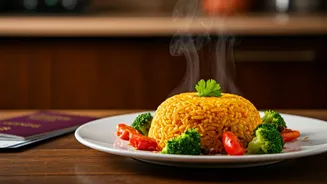
personal confession about his resilience against missing home-cooked meals while on extended shoots. While he initially believed himself immune to such feelings, a four-month stint abroad proved otherwise. Around the 2.5-month mark, Ishaan found himself yearning for the simple comfort of 'dal chawal' or 'roti,' a sentiment he previously only sympathized with in others. This personal revelation highlights that even those living seemingly glamorous lives are not exempt from the deep-seated connection to familiar flavors and the comforting embrace of home cooking, even when surrounded by diverse culinary options in foreign lands.
The Shahid vs. Ishaan Divide
In stark contrast to Ishaan's gradual acclimatization, his elder brother, actor Shahid Kapoor, exhibits a significantly lower threshold for enduring the absence of Indian cuisine. Ishaan revealed that Shahid can barely manage four days away from home before a strong craving for Indian food sets in, emphasizing its essential nature for him. This significant difference between the brothers, with Ishaan's tolerance stretching to two to two-and-a-half months compared to Shahid's mere four days, underscores a broader spectrum of how individuals react to being away from their native food culture. It prompts an investigation into the underlying factors that dictate these contrasting experiences, suggesting that personal disposition and deeply embedded habits play a crucial role in shaping culinary resilience.
Root Causes of Cravings
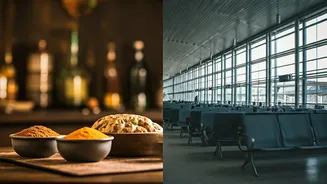
The persistent longing for Indian food when abroad is a complex phenomenon, extending beyond mere taste preference. According to psychotherapist Dr. Chandni Tugnait, it’s a confluence of biological predispositions, deeply ingrained upbringing, and individual personality. She explains that while individuals like Shahid Kapoor find solace in culinary traditions, others, such as Ishaan, are more amenable to adapting to new environments. Understanding these multifaceted influences is key for travelers to better prepare for potential dietary adjustments, whether through strategic packing of spices or conscious efforts to broaden their palate before embarking on their journeys abroad.
Early Imprints & Gut Feelings
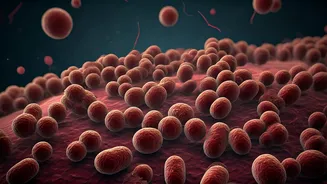
The foundation of our lifelong food preferences is often laid during childhood, a period known as early food imprinting. Dr. Tugnait elaborates that individuals raised in homes where Indian cuisine was not just a source of sustenance but also a central element of cultural celebrations and daily rituals tend to develop a profound emotional attachment to these flavors. Furthermore, the human gut microbiome plays a pivotal role in mediating food cravings. Consistent consumption of traditional Indian spices and fermented items like curd and pickles cultivates a specific community of gut bacteria that thrives on these distinct tastes. Consequently, sudden dietary changes can lead to digestive discomfort and intensified cravings as the gut signals a need for its accustomed nutrients. Interestingly, people whose gut bacteria are more diverse due to a varied diet tend to adapt more smoothly to new food environments.
Flavor Intensity & Adaptability
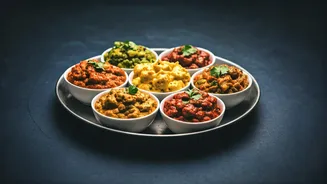
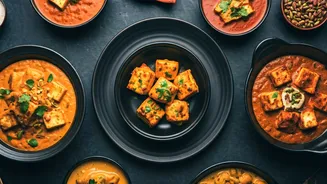
Indian cuisine is celebrated for its bold and intricate flavor profiles, often characterized by pronounced spicy, tangy, and umami notes. Dr. Tugnait points out that individuals accustomed to such intense taste sensations might perceive Western or other cuisines as comparatively 'bland,' leading to a sense of culinary dissatisfaction. Conversely, those with a lower degree of sensory sensitivity or individuals who naturally gravitate towards more subtle flavors often find it easier to adjust to different culinary traditions without experiencing significant cravings for their native food. This difference in flavor perception and sensitivity directly impacts how readily one can embrace and enjoy new gastronomic experiences when away from home.
Mindset & Social Connections
Beyond biology and upbringing, an individual's psychological makeup significantly influences their ability to adapt to foreign food cultures. Dr. Tugnait suggests that people with a more adventurous spirit regarding food, viewing it as an opportunity for exploration rather than a potential deprivation, are inherently more adaptable. Additionally, social and situational factors contribute to eating habits. Traveling alone or with companions who are not of Indian origin can prompt individuals to adapt more quickly to blend in with their surroundings. Conversely, being in the company of family or within established Indian communities abroad often strengthens the desire for familiar meals, serving as a crucial element for maintaining communal bonds and a sense of belonging.