






Stevia: Natural Sweetness
Stevia, derived from the Stevia rebaudiana plant, is a zero-calorie sweetener gaining popularity. It’s significantly sweeter than sugar, so a small amount
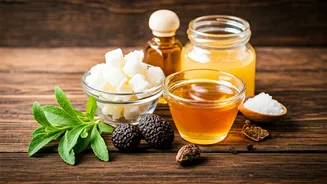
goes a long way. Stevia is often used as a sugar alternative for people managing their blood sugar levels. However, some individuals find that it has a slightly bitter aftertaste. The intensity of its sweetness can also be a factor to consider when replacing sugar in recipes. Because of its lack of calories and impact on blood sugar, stevia is a good option for people monitoring their weight or managing diabetes. However, consumers should be careful with the processed forms of Stevia. Stevia is a natural product that helps maintain a healthy lifestyle and is a better choice for people who are struggling with diabetes or related issues.
Monk Fruit Extract
Monk fruit extract, another zero-calorie sweetener, comes from the monk fruit, native to Southeast Asia. This sweetener is up to 200 times sweeter than sugar. It is considered safe and doesn't affect blood sugar levels, making it a viable alternative for those looking to manage their weight or diabetes. The flavor profile is generally well-received, as it doesn't typically have the bitter aftertaste that some other sweeteners do. Monk fruit extract is available in various forms, including liquid and powder, and is versatile for use in both beverages and baked goods. Its natural origin and lack of impact on blood sugar levels also make it a healthier choice in comparison to regular sugar.
Erythritol: Sugar Alcohol Choice
Erythritol is a sugar alcohol that occurs naturally in fruits. It has about 60-70% of the sweetness of sugar, with very few calories. Unlike other sugar alcohols, erythritol is generally well-tolerated and less likely to cause digestive issues, such as bloating or gas. It has a negligible effect on blood sugar, which is advantageous for individuals with diabetes. Erythritol is also used in a variety of products, including sugar-free candies and baked goods. Erythritol’s natural source, coupled with its mild sweetness, makes it an excellent substitute for sugar. However, some people may experience mild digestive upset if they consume a large amount.
Xylitol: Natural Alternative
Xylitol is another sugar alcohol that's naturally found in many fruits and vegetables. It has a sweetness similar to sugar but with fewer calories. Xylitol is frequently used in chewing gums and oral hygiene products, as it may help reduce the risk of cavities. It has a low glycemic index, making it suitable for people with diabetes. While generally safe, excessive consumption can lead to digestive discomfort. It is also important to note that xylitol is highly toxic to dogs, so it should be kept away from pets. Its ability to support dental health and lower impact on blood sugar makes it a good option in comparison to sugar.
Yacon Syrup: Prebiotic Sweetener
Yacon syrup is derived from the yacon plant, a tuber native to South America. It is rich in fructooligosaccharides (FOS), a type of prebiotic fiber that promotes gut health. Yacon syrup has a low glycemic index and provides fewer calories compared to sugar. This syrup has a caramel-like flavor, and is often used as a sweetener in beverages and desserts. Its prebiotic properties may help support digestive health and promote beneficial gut bacteria. However, it's important to use it in moderation due to its potential to cause digestive discomfort if consumed in excessive amounts. Yacon syrup is a healthy choice for anyone looking for a gut-friendly sugar alternative.
Coconut Sugar: Palm Sugar
Coconut sugar is extracted from the sap of the coconut palm tree. It contains a mix of fructose and glucose, and has a similar calorie content to regular sugar. Although it has a slightly lower glycemic index compared to table sugar, it is still relatively high. Coconut sugar retains some trace minerals, unlike refined sugar. It offers a slightly different flavor profile compared to regular sugar, often described as having a hint of caramel. Coconut sugar is a suitable choice for those looking for a minimally processed alternative to refined sugar. Moderation is key, as its impact on blood sugar should not be overlooked.
Maple Syrup: Natural Option
Maple syrup, especially the pure variety, is a natural sweetener made from the sap of maple trees. It provides some trace minerals and antioxidants. Maple syrup has a moderate glycemic index, so it can still raise blood sugar levels. It offers a distinct flavor that works well in a variety of dishes. Always look for pure maple syrup, as it is the least processed. Although it offers some nutritional benefits compared to refined sugar, it should still be used in moderation due to its high sugar content. Maple syrup is a better choice if you are seeking a natural sweetener with additional flavor and trace nutrients.
Honey: Versatile Sweetener
Honey is a natural sweetener produced by bees, known for its distinct flavor and health benefits. It contains trace amounts of vitamins and minerals and has antioxidant properties. Honey has a moderate glycemic index, so it can elevate blood sugar levels. It offers versatility in cooking and baking. Raw honey can contain pollen, offering potential allergy benefits and additional nutrients. Its natural sweetness and unique flavor make it a popular choice. Be cautious, as honey is still high in sugar, so moderation is key. Honey can be a beneficial natural sweetener for everyday use.
Dates: Natural Sweetness
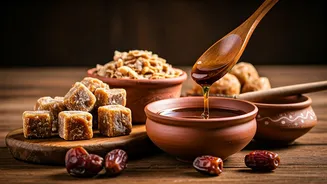
Dates, particularly Medjool dates, are a natural sweetener that is packed with fiber and nutrients. They have a rich, caramel-like flavor and are commonly used in various recipes. Dates can be used whole, or they can be made into a paste or syrup. Dates offer a good source of fiber, which helps in digestion and provides a feeling of fullness. Dates have a higher sugar content, so it’s important to consume them in moderation. Dates are perfect for anyone seeking a wholesome and naturally sweet ingredient to add to their diet. Dates’ nutritional content is beneficial for people trying to control their diet.
Molasses: Rich Flavor
Molasses, a byproduct of the sugar-making process, comes in various forms, including blackstrap molasses, known for its high nutrient content. It provides some minerals like iron and is a source of antioxidants. Molasses has a rich, bold flavor that can add depth to recipes. Blackstrap molasses is known for its higher nutritional value, providing essential minerals. It has a moderate glycemic index, meaning it still impacts blood sugar levels. Molasses adds a distinctive flavor profile to foods, and can be used in baking and sauces. When you choose molasses, always ensure you consume it in moderation because of its sugar content.
Brown Rice Syrup
Brown rice syrup is made from cooked brown rice and is a less refined alternative to table sugar. It has a moderate glycemic index. Brown rice syrup has a mild, sweet flavor, making it a good ingredient in many recipes. Because of its lower fructose content, it can be a better choice for some people than high-fructose corn syrup. When used as an alternative sweetener, it's best to use in moderation because of its impact on blood sugar levels. This syrup is a decent option for anyone seeking a low-fructose sweetener.
Agave Nectar
Agave nectar, derived from the agave plant, has a high fructose content. It has a slightly lower glycemic index compared to table sugar. It is sweeter than sugar, so you can use less. This sweetener is commonly used in beverages and as a substitute for sugar in recipes. Because of its high fructose content, consumption should be moderate. Agave is a viable substitute for sugar, with care. It's a nice choice if you want a sweetener with a lower glycemic index, but it is necessary to watch how much you use.
Sugar Alcohols
Sugar alcohols, such as erythritol and xylitol, are often used as sugar substitutes. They provide sweetness with fewer calories and a lower impact on blood sugar levels. Many sugar alcohols are often found in sugar-free products. They can cause digestive issues, such as gas or bloating, if consumed in large quantities. Sugar alcohols are an acceptable choice for people with diabetes or those looking to reduce their sugar intake. You can limit the chance of digestive discomfort by using smaller amounts. These are a good choice to help manage blood sugar, but the intake needs to be limited.
Artificial Sweeteners
Artificial sweeteners are synthetic sugar substitutes, such as aspartame and sucralose, are often calorie-free and significantly sweeter than sugar. They have very little impact on blood sugar levels, making them a well-liked option for people with diabetes. These sweeteners are approved by food safety authorities and are widely used in a variety of products. However, some people are concerned about the long-term health effects of artificial sweeteners. Some also report experiencing side effects like headaches or digestive issues. Artificial sweeteners can be a good choice for anyone seeking a calorie-free sweetener, but it's important to use them with caution and in moderation. Artificial sweeteners are a viable alternative that can be utilized to limit sugar intake.