





The Unasked Arrival
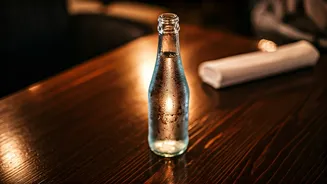
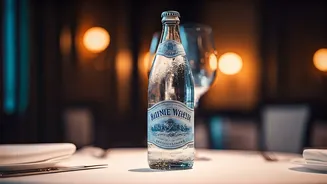
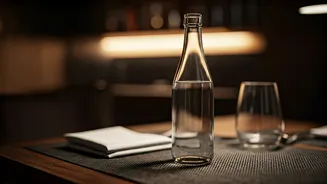
A seemingly innocuous ritual unfolds the moment patrons settle into a restaurant seat: a bottle of water is already present. This practice, once characterized
by affordable mineral water priced around ₹15, has evolved. Now, diners often find themselves facing pricier options, with bottles from brands like Vedica or Himalayan appearing by default, sometimes costing as much as ₹60. This subtle placement bypasses the need for a direct request, introducing a higher-cost item without an explicit customer choice. The intention isn't necessarily malicious but rather a well-established method to influence consumer decisions in a competitive dining landscape. It’s a quiet yet effective way to set a higher baseline for the table's initial consumption, often leading to increased expenditure without a conscious deliberation by the diner.
The Psychology of Default
The reason this tactic works lies in human psychology and the concept of default options. When a bottle of water is already on the table, it becomes the path of least resistance. Declining it requires conscious effort and can feel awkward, leading many to simply accept it. This avoids the perceived hassle of asking for an alternative, like free RO water, or the potential embarrassment of seeming overly frugal. The absence of a direct question like 'Would you prefer RO or bottled water?' is a deliberate choice. Such an inquiry would bring awareness to the cost difference and potentially reduce the sale of bottled water. By placing the bottle without comment, restaurants subtly make the decision for the customer, capitalizing on inertia and a desire to avoid social friction, thereby increasing the likelihood of an upsell and a higher overall bill.
Mixed Online Discourse
The viral post ignited a spectrum of opinions across the internet. Some users argued that consumers possess the agency to refuse unwanted items, stating that no one is coerced into purchasing the bottled water and that it merely serves as an upsell opportunity for establishments. Conversely, a significant segment expressed concern, highlighting that such practices could be deceptive, particularly for unsuspecting tourists. These individuals pointed out that placing items without explicit consent and then charging for them can feel like a form of trickery. In response, some shared their own strategies, such as confidently requesting a switch to RO water, demonstrating a growing awareness and assertiveness among diners. Others noted that many patrons might open and consume the bottled water simply because it's there, mistaking thirst for a need to purchase, underscoring the marketing and revenue-generating aspect of this silent placement.