






Why Labels Matter Now
In today's fast-paced world, it's easy to overlook what goes into our food. However, with a growing awareness of health and environmental factors post-COVID,
scrutinizing food labels has transformed from an option to an absolute necessity for Indian consumers. These labels serve as the critical bridge between food manufacturers and us, acting as powerful decision-making aids. Consumers are increasingly looking beyond flashy packaging to understand precisely what ingredients are present and, more importantly, what might be deceptively omitted or disguised. For instance, a product advertised as 'no added sugar' could still contain high natural sugars from fruit concentrates, and 'multigrain' items often rely heavily on refined flour with minimal whole grains, a fact only apparent by examining the ingredient order. Therefore, a careful reading of these details before purchasing is paramount to ensure what lands on your dinner table aligns with your health goals and expectations.
Economic Value in Nutrition
Beyond just health concerns, economic factors are now significantly influencing how Indian consumers interact with food labels. With the rise in food inflation, shoppers are shifting their focus from mere price tags to a more holistic assessment of value. This means consumers are actively using labels to compare nutritional offerings across different brands, evaluating aspects like protein content, serving sizes, and the overall quality of ingredients rather than simply opting for the cheapest option. This analytical approach to purchasing empowers consumers to make smarter financial decisions that also align with their dietary needs. This trend is further amplified by the emergence of AI-led digital label solutions, which are revolutionizing the process from passive information display to active validation. These advanced systems allow brands to digitally verify claims, pinpoint discrepancies, and ensure compliance with regulatory standards set by bodies like the FSSAI, offering consumers a more reliable and transparent way to assess product information.
Decoding Essential Information
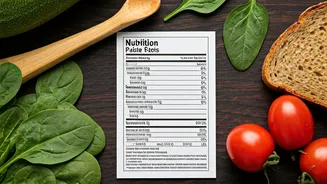
The Food Safety and Standards Authority of India (FSSAI) mandates several key pieces of information on packaged food products to equip consumers for informed decision-making. Foremost is the Nutritional Information, detailing calories, protein, carbohydrates (including sugar), fats (saturated and trans), and sodium, typically presented per 100g/ml and per serving. The Ingredients list is crucial, presented in descending order by weight, which helps in identifying potential allergens or unwanted additives. Specific Allergen Information for common culprits like milk, eggs, peanuts, soy, and wheat is also clearly declared. Consumers will also find the distinct Vegetarian (green dot) or Non-Vegetarian (brown dot) marking for quick identification, alongside the essential Best Before or Expiry Date to ensure product freshness. Finally, the Manufacturer or Packer Details provide accountability. Understanding these elements is fundamental for anyone looking to manage their health effectively, especially individuals with dietary restrictions, allergies, or specific health conditions like diabetes or hypertension.
Smart Label Reading Tips
Becoming adept at reading food labels can significantly contribute to a healthier lifestyle. A key tip is to pay close attention to the stated serving size, as nutritional information is often based on a smaller portion than typically consumed. Scrutinize the ingredients list: shorter lists with recognizable, whole-food ingredients are generally preferable. Be particularly mindful of sugar and sodium content, as excessive amounts can negatively impact health. Vigilance is also required regarding trans fats, which are particularly detrimental and should ideally be avoided. Understanding the % Daily Value (%DV) can provide valuable context, showing how a serving of food contributes to your overall daily intake of various nutrients. By consistently applying these strategies, Indian consumers can move beyond marketing claims and make truly informed choices about the food they purchase and consume, fostering better long-term health outcomes.