





PCSK9 Inhibitors Explained
For individuals finding statins insufficient or challenging to tolerate, PCSK9 inhibitors represent a significant therapeutic advancement. These injectable
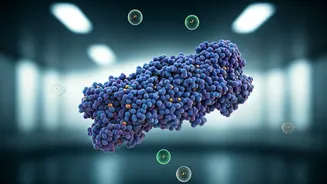
medications function by augmenting the number of LDL receptors present on liver cells. The increased presence of these receptors facilitates a more efficient removal of LDL cholesterol from the bloodstream. Consequently, PCSK9 inhibitors are remarkably potent, capable of reducing LDL cholesterol by 50% or more. They are typically prescribed for those with exceptionally high LDL cholesterol levels, such as individuals diagnosed with familial hypercholesterolemia, or for patients who experience adverse reactions to statins or fail to achieve their LDL targets with statin therapy alone. The underlying mechanism involves mimicking the effect of a naturally occurring gene variant that leads to lower PCSK9 levels and, by extension, reduced LDL cholesterol.
Bempedoic Acid & Ezetimibe
Bempedoic acid offers an oral alternative for managing LDL cholesterol by targeting liver enzyme activity. This medication works by inhibiting a key enzyme within the liver that plays a role in cholesterol synthesis. Its efficacy allows for an approximate reduction in LDL cholesterol levels of 15% to 25%. It is frequently employed as an adjunct to statin therapy or for patients who cannot tolerate statins. Complementing this approach is ezetimibe, another oral medication that operates through a distinct pathway. Ezetimibe functions by impeding the absorption of dietary cholesterol within the small intestine. This method can lead to a reduction in LDL cholesterol by approximately 15% to 20%. Similar to bempedoic acid, ezetimibe is often prescribed in conjunction with statins or for individuals who have difficulty tolerating statin side effects. When used in combination, such as ezetimibe with bempedoic acid, significant LDL reductions of 40% to 60% are achievable.
Inclisiran: The Semi-Annual Injection
Inclisiran represents a newer generation of injectable medications that, much like PCSK9 inhibitors, significantly lowers LDL cholesterol. However, its administration schedule offers a distinct advantage: it is given as an injection only twice per year. This infrequent dosing regimen makes it an appealing option for individuals who struggle with remembering to take daily medications or who prefer fewer medical interventions. The mechanism of action for inclisiran is similar to PCSK9 inhibitors in that it enhances the liver's capacity to clear LDL cholesterol from the blood, thereby achieving substantial reductions. This makes it a valuable tool for long-term LDL management, particularly for those who benefit from the potent LDL-lowering effects but find more frequent injections or daily pills burdensome.
Promising Future Therapies
The landscape of LDL cholesterol management is continuously evolving, with researchers actively exploring several innovative and promising avenues. Gene therapy holds significant potential, aiming to directly address and correct the underlying genetic predispositions that lead to elevated cholesterol levels. Another exciting area is microbiome-based therapies, which focus on modulating the composition and activity of gut bacteria to influence cholesterol metabolism. Furthermore, the development of novel oral medications continues, with several compounds in various stages of research and clinical trials that target different enzymatic pathways and molecular processes involved in cholesterol synthesis and transport. The investigation into enlicitide, a pill form of PCSK9 inhibitors, and obicetrapib, which works via a unique mechanism and also impacts Lp(a), signifies a new era of therapeutic innovation, potentially offering improved convenience and efficacy.
Lifestyle Modifications Matter
While pharmaceutical interventions are crucial for many, embracing a heart-healthy lifestyle remains a cornerstone of effective LDL cholesterol management. A balanced diet, low in saturated and trans fats, and rich in fruits, vegetables, and whole grains, can significantly impact lipid profiles. Regular physical activity, such as brisk walking, jogging, or swimming, contributes to overall cardiovascular well-being and cholesterol levels. Maintaining a healthy weight or achieving weight loss when necessary is also vital, as excess body fat can negatively influence cholesterol. Additionally, quitting smoking is paramount; cessation not only improves cholesterol levels but also offers profound benefits for overall heart health and reduces the risk of cardiovascular events. These lifestyle adjustments, when consistently practiced, can complement medical treatments and empower individuals to take an active role in their cardiovascular health.