
Idli: South Indian Staple
Idli, a steamed savory cake, stands as a cornerstone of South Indian breakfasts. Crafted from a fermented batter of rice and urad dal (black lentils),
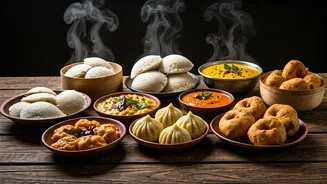
this fluffy and light dish is a nutritional powerhouse. The fermentation process not only enhances the taste, adding a slight tang, but also improves digestibility. Idli is typically served with sambar, a lentil-based vegetable stew, and coconut chutney, creating a balanced and flavorful meal. Its mild flavor makes it an excellent canvas for various accompaniments, and its soft texture is gentle on the stomach. The steam cooking method ensures minimal oil usage, making it a healthy option for all ages. Variants exist across different regions, with slight alterations to the batter or the addition of spices and vegetables.
Dhokla: Gujarati Delight
Originating from Gujarat, Dhokla is a steamed snack that has gained immense popularity across India. Prepared using a batter made from fermented rice and split chickpeas (chana dal), dhokla boasts a unique spongy texture and a slightly tangy flavor profile. The fermentation process contributes to its lightness and aids in digestion. The batter is typically seasoned with ginger, green chilies, and a pinch of asafoetida. After steaming, dhokla is often tempered with mustard seeds, curry leaves, and sometimes a splash of lemon juice, adding a burst of flavor. This dish is usually served with green chutney and sweet tamarind chutney, creating a delightful blend of flavors. Dhokla is versatile and can be enjoyed as a breakfast item, snack, or even a side dish. Variations include khatta dhokla (sour) and rava dhokla (made with semolina).
Khaman: Another Gujarati Dish
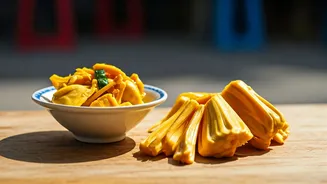
Similar to dhokla, Khaman is another beloved steamed snack from Gujarat, but it is typically made from chana dal. This version is known for its vibrant yellow color and slightly more dense texture compared to dhokla. The batter for Khaman is fermented, then steamed, and tempered in a similar fashion to dhokla, with the addition of mustard seeds, curry leaves, and chilies. The seasoning enhances the savory and slightly tangy flavor. Khaman is often garnished with chopped coriander leaves and served with the same chutneys as dhokla - green chutney and sweet tamarind chutney. Its preparation method makes it a relatively quick and easy option for breakfast or a snack. The use of chana dal provides a good source of protein and fiber, making it a nutritious choice.
Puttu: Kerala's Breakfast
Puttu, a traditional Kerala breakfast, is made from steamed cylinders of ground rice flour. Layers of rice flour alternate with grated coconut, creating a distinctive layered appearance and texture. Puttu is cooked in a cylindrical container, such as a puttu kutti, which allows steam to circulate and cook the dish evenly. The combination of rice and coconut gives it a slightly sweet flavor, complemented by the often accompanying side dishes. Puttu is traditionally served with kadala curry (black chickpea curry) or sweetened coconut milk and ripe bananas, creating a balanced and satisfying meal. The steaming process ensures that it's light and easy to digest, making it a popular choice for breakfast. Variations exist in different regions, with some adding spices or vegetables to the rice flour mix.
Modak: Maharashtrian Sweet Treat
Modak, a sweet dumpling, holds a special place in Maharashtrian cuisine and is particularly associated with the festival of Ganesh Chaturthi. It’s prepared from rice flour or wheat flour and traditionally has a filling made from freshly grated coconut and jaggery. The dough is shaped into small dumplings and then steamed until cooked through. The steaming process gives modak a soft and slightly chewy texture. The sweet, coconut-jaggery filling provides a delightful flavor contrast. Although traditionally a sweet dish, the steaming method makes it a lighter dessert option compared to fried counterparts. Modak is offered to Lord Ganesha during the festival and enjoyed as a treat.
Kuzhi Paniyaram: Southern Comfort
Kuzhi paniyaram, a popular breakfast dish in South India, is made from a fermented batter similar to that used for idli or dosa. The batter is seasoned with spices, and sometimes vegetables, and then cooked in a special pan with multiple small, round indentations. The dish can be either savory or sweet, depending on the ingredients added to the batter. The batter is typically poured into the heated indentations and allowed to cook until golden brown and crispy on the outside, and soft on the inside. This is usually not steamed, but this is a popular breakfast dish from South India, so it can be added here. Kuzhi paniyaram is a versatile dish, enjoyed with chutney and sambar. The fermentation gives it a light texture, while the variations in flavor make it appealing. It's often enjoyed as a breakfast or snack option.
Momos: Himalayan Influence
Momos, steamed dumplings with origins in the Himalayan regions, have gained widespread popularity in India. The outer covering is typically made from a simple dough of all-purpose flour. The filling can vary, including vegetables or meat. These dumplings are steamed in a specialized steamer until cooked through. The steaming process preserves the flavors of the filling while keeping the outer layer soft. Momos are typically served with a spicy chutney, adding a burst of flavor. They are often eaten with a soup. The dumplings come in different shapes and sizes, reflecting regional variations. These make for a delicious and filling breakfast option. The use of various fillings provides ample opportunity for dietary variety.
Pitha: Northeastern Delights
Pitha is a diverse category of traditional dishes from the northeastern states of India, typically made from rice flour. They can be steamed, fried, or baked, with the steamed versions being a common breakfast item. The fillings and flavors vary greatly depending on the region, with some pithas being sweet and others savory. The steaming method is a healthy way to cook them. The ingredients can range from coconut and jaggery to vegetables and lentils. The diversity of pithas reflects the rich culinary traditions of the Northeast. They are often associated with festivals and celebrations and offer a unique culinary experience. Pitha offers a range of options for breakfast, showcasing the versatility of rice flour.
Vada: Savory Snack
Vada, typically a savory fried fritter, also has a steamed counterpart, though less common. Steamed vada may be prepared using the same batter as the fried variety (made from urad dal or a combination of lentils and grains) that is shaped into a disc and then steamed. The steaming process offers a lighter alternative to the traditional deep-fried version, making it a healthier option. The savory vada are often served with sambar and coconut chutney, offering the familiar flavors and textures. Though steaming is less common, the dish provides a good source of protein, and the accompaniments contribute to a balanced meal. It allows the flavors to come through without the heaviness of being fried.
Rava Upma: Semolina Breakfast
Rava Upma, a popular South Indian breakfast dish, isn't always steamed but it offers a steamed version that is a lighter, healthier option. The main ingredient is semolina (rava), which is cooked with water, vegetables, and spices. The key is to steam the semolina after it has been sauteed with vegetables. This creates a fluffy and light texture. Upma is a versatile dish, with variations including the addition of vegetables like onions, carrots, peas, and spices such as mustard seeds, curry leaves, and green chilies. It’s a quick and easy breakfast, often served with coconut chutney or a cup of coffee. The steamed version of Upma minimizes the use of oil, making it a nutritious breakfast option.