






Deal Overview
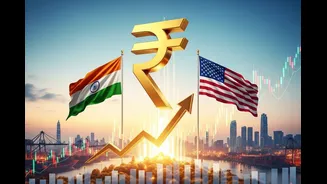
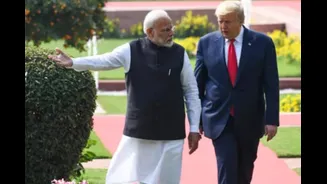
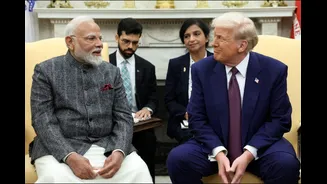
The possibility of a large-scale trade deal between India and the United States has gained momentum recently. Discussions have intensified, with both governments
signaling their interest in reaching an agreement. The deal, if finalized, could reshape the economic relationship between the two nations, impacting various sectors such as manufacturing, technology, and agriculture. The negotiations are complex, involving discussions on tariffs, market access, and regulatory frameworks. The potential for increased trade, investment, and job creation makes this a significant development. The outcome could significantly influence India's economic growth trajectory and its integration into the global economy, as well as strengthening the US's strategic position in the Indo-Pacific region. The specifics of the deal, including the timeline and the scope, are still being worked out, with both sides aiming for a mutually beneficial outcome.
Economic Benefits
A comprehensive trade agreement between India and the US promises substantial economic advantages for both countries. India is likely to see increased access to the vast US market for its goods and services, resulting in higher export volumes and revenue. This could spur growth in key sectors like pharmaceuticals, textiles, and IT services, leading to job creation and economic expansion. For the US, the deal provides an opportunity to tap into India's rapidly growing consumer market and invest in its developing infrastructure and industries. Increased US investment could boost India's technological capabilities and productivity. Additionally, the deal can help diversify supply chains, reducing dependence on any single nation. The enhanced trade relations can further strengthen strategic partnerships and bolster their combined influence in the global arena. The enhanced economic activity might also reduce trade imbalances and lead to more balanced economic growth for both nations, supporting long-term stability and prosperity.
Negotiation Challenges
Despite the potential benefits, the path towards a trade agreement is filled with challenges. One of the main hurdles is addressing the existing trade imbalances and differing views on market access. India may have concerns about protecting its domestic industries from heightened competition, while the US might seek greater access to India's markets for its products. Another complex area is the resolution of regulatory differences and standards, which vary between the two countries. Reaching an agreement on intellectual property rights, data localization, and digital trade is also crucial. Political factors on both sides, including domestic pressures and shifting priorities, could complicate the negotiations. Any deal must navigate these intricate aspects to ensure it is economically viable and politically acceptable. Successfully navigating these challenges requires strong political will and a flexible approach from both governments. Addressing these issues in a comprehensive and balanced manner will be key to reaching a successful trade agreement.
Sectoral Impact
The trade deal is set to have a varied impact across different sectors of the Indian and US economies. For India, the manufacturing sector could see significant gains as reduced tariffs and streamlined regulations boost exports. Sectors like pharmaceuticals, textiles, and engineering goods are likely to benefit greatly. The agricultural sector might experience increased demand for products such as spices, fruits, and vegetables, but may also face competition from US agricultural imports. In the US, sectors such as technology, energy, and financial services could gain access to new markets and investment opportunities in India. The agreement can also lead to increased cooperation in research and development, particularly in areas like clean energy and space exploration. There could be impacts on the labor market in both countries. In India, there could be additional employment opportunities in export-oriented industries. The overall effect would vary across different sectors, making it essential to develop targeted strategies for facilitating sector-specific gains and mitigating potential downsides.
Future Implications
The successful conclusion of a trade deal between India and the US would have far-reaching implications for global trade and geopolitical dynamics. It could set a precedent for future trade agreements, encouraging greater cooperation and trade liberalization. The strengthened economic ties could foster closer strategic partnerships between the two nations, reinforcing their shared interests in the Indo-Pacific region and beyond. It can also help India solidify its position as a key player in the global economy, attract more foreign investment, and integrate more fully into global value chains. The deal’s progress may encourage other countries to pursue similar trade agreements, promoting economic growth and stability. The success or failure of this trade deal can influence the trajectory of global trade patterns and the roles of key players in the coming years, underscoring its importance and significance for global economies.