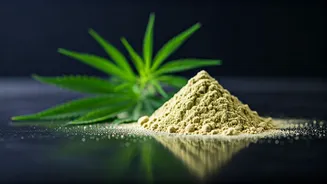








Creatine Monohydrate
Creatine monohydrate is often the first supplement that comes to mind when considering muscle growth. It's a naturally occurring compound in the body,
vital for energy production during high-intensity exercise. Supplementing with creatine can increase the levels of phosphocreatine in your muscles, which is used to generate ATP, the primary energy source for your cells. This increased energy availability can lead to improved strength, power, and muscle mass gains. Studies have shown creatine to be particularly effective for short-duration, high-intensity activities like weightlifting. It helps draw water into muscle cells, leading to a fuller appearance and also stimulates protein synthesis, which is crucial for muscle repair and growth. The typical dosage involves a loading phase of around 20 grams per day for the first week, followed by a maintenance dose of 3-5 grams daily.
Protein Powders
Protein powder is another fundamental supplement for muscle building. Whey, casein, soy, and other plant-based options provide a convenient and efficient way to increase protein intake. Protein is essential for repairing and rebuilding muscle tissue after exercise. Whey protein is rapidly digested, making it ideal for post-workout consumption. Casein protein, on the other hand, is digested slowly, providing a sustained release of amino acids. Plant-based proteins, like soy and pea protein, offer alternatives for vegetarians and vegans. The quantity of protein required can vary, but a general guideline is 1.6 to 2.2 grams of protein per kilogram of body weight per day. Protein powders can be integrated into your diet via smoothies, shakes, or added to foods.
Branched-Chain Amino Acids
Branched-chain amino acids (BCAAs), comprising leucine, isoleucine, and valine, are critical for muscle protein synthesis. Leucine is of particular importance, as it triggers muscle protein synthesis. BCAAs can help reduce muscle soreness and fatigue, and increase muscle growth. They work by stimulating protein synthesis directly and also by reducing protein breakdown. BCAAs are best taken before, during, or after exercise. They can be particularly beneficial if you're training on an empty stomach. A typical dose varies but often falls within the range of 5-10 grams before and after exercise. Including BCAAs in your regime can enhance your workout performance and recovery, supporting muscle development.
Beta-Hydroxy-Beta-Methylbutyrate
Beta-hydroxy-beta-methylbutyrate (HMB) is a metabolite of leucine, which helps in reducing muscle protein breakdown and increasing muscle growth. It is produced naturally in the body but supplementing can provide additional benefits. HMB helps in preserving muscle mass during periods of intense exercise or calorie restriction, which makes it particularly useful for those looking to build muscle and reduce body fat simultaneously. The effect of HMB is through its ability to inhibit protein breakdown and promote muscle protein synthesis. The typical dosage is around 3 grams per day, divided into multiple doses. HMB is most effective when combined with a consistent strength training routine, offering enhanced muscle recovery and greater strength gains.
Other Supplements to Consider
Additional supplements can also contribute to muscle growth. These include L-arginine, which can improve blood flow to the muscles, supporting nutrient delivery. Carnitine plays a role in energy production, as well as aids in fat metabolism. Omega-3 fatty acids, from sources like fish oil, can reduce inflammation and support overall health, contributing to recovery and muscle growth. Coenzyme Q10 (CoQ10) is an antioxidant that supports energy production, making it beneficial for exercise performance. Vitamin D and Vitamin K2 are also essential for overall health, contributing to bone health and overall well-being, both of which support physical activity.