


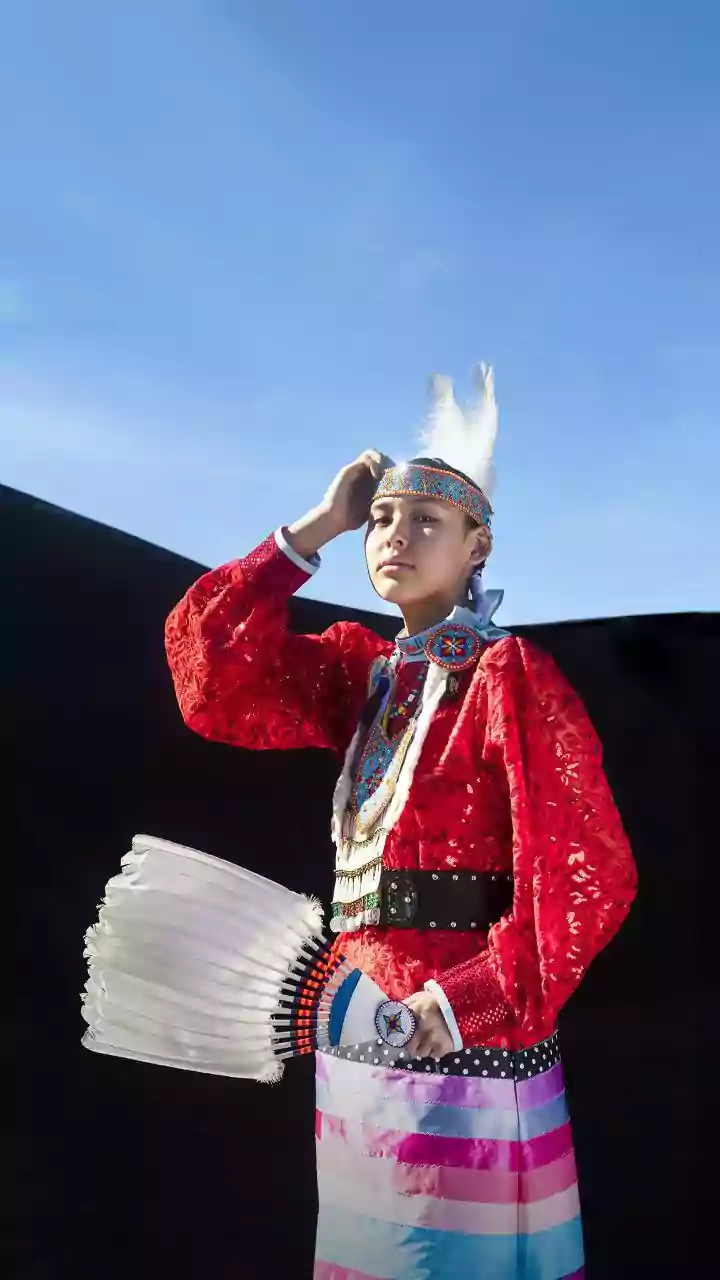




Beyond "Culture Says"
Many adults often fall into a predictable pattern when discussing traditions, starting with phrases like "In our culture..." which tends to make the conversation
one-sided. Children often tune out because traditions are frequently presented like dry academic lessons rather than living narratives. Instead of seeing traditions as the dynamic tapestry of human experience – involving joy, conflict, adaptation, and transmission – they are sometimes depicted as rigid rules designed to stifle fun. The key difference lies in the approach: a poorly explained tradition feels like a mandate from people who disliked merriment, whereas a well-articulated one unfolds as the captivating chronicle of how people genuinely lived, what they cherished, what they feared, and the values they upheld.
Storytelling Sparks Interest
When traditions are solely framed by abstract concepts like 'respect,' 'values,' 'culture,' or 'ancestors,' most children's minds drift away. This isn't necessarily due to disrespect; these terms are too abstract for a twelve-year-old preoccupied with homework and basic needs. However, piquing their interest is achievable by shifting the narrative. For instance, introducing a festival with a compelling backstory, like "This festival exists because there's a really quirky tale behind it," immediately captures attention. Similarly, explaining a practice through practical reasoning, such as "Grandparents did this because refrigerators weren't common then," transforms tradition into logic rather than blind obedience. Framing it as a social activity, "This was a way for people to gather, share meals, and take a break from labor," makes it about community, not just moral instruction. Children connect with stories, logic, and fairness, not arbitrary commands based on cultural mandates.
Avoiding Scolding Tones
A common pitfall for adults is introducing traditions only when children deviate towards what's considered 'too modern.' This association makes tradition feel like a reprimand, manifesting as directives like 'Wear this, not that,' 'Sit properly,' or 'Don't do that.' Over time, traditions can come to sound like an endless list of restrictions that diminish life's enjoyment. However, traditions were not conceived to be boring. Many originated from practical necessities linked to seasons, agricultural cycles, weather patterns, community living, post-harvest celebrations, lengthy weddings due to travel, climate-appropriate cooking, and work-suited clothing. Tradition evolved from practicality to social significance, then to cultural importance, and is now often explained primarily through a moral lens. This shift in perception is why current conversations about tradition often fail.
Family History, Not Rules
Perhaps the most effective way to discuss tradition is to abandon the role of a stern educator delivering a syllabus. Instead, adopt the persona of someone sharing compelling family history, intriguing anecdotes, amusing customs, and the underlying rationale behind past actions. Instead of stating, "This is our tradition; you must adhere to it," consider framing it as, "This is something people before us used to do; here's why they did it, and now, we get to decide what it means to us today." Traditions don't endure when they are imposed; they thrive when they are genuinely understood, thoughtfully adapted, and consciously chosen by individuals.