







Floral Attractions Take Off
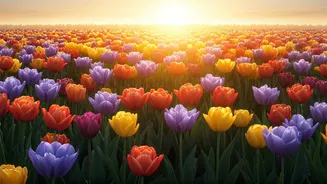
India is experiencing a surge in interest for flower-centric tourism, drawing inspiration from global trends. The Indira Gandhi Memorial Tulip Garden in Jammu
& Kashmir has become a significant draw, attracting 3.9 lakh visitors, including 1,200 international tourists, during its recent month-long opening. This showcases the immense appeal of meticulously cultivated floral displays. Similarly, Meghalaya’s annual cherry blossom festival has transformed into a major cultural event, contributing approximately 8% to the state’s economy and drawing thousands of enthusiastic attendees. In Uttarakhand, the renowned Valley of Flowers National Park, a sanctuary for over 500 species of alpine flora like orchids, poppies, and marigolds, officially welcomes visitors annually from June 1. This park alone generated Rs 33.3 lakh in revenue from 15,934 visitors in 2025, demonstrating the economic viability of these natural spectacles.
Diversifying Floral Experiences
Beyond major gardens and festivals, India is creatively expanding its floral tourism offerings to cater to diverse interests and extend the tourist season. Ladakh hosts its vibrant Apricot Blossom Festival each April, engaging local communities and highlighting the beauty of early spring blooms. Meanwhile, Kerala offers a unique spectacle as nearly 3,000 acres of paddy fields in Malarikkal transform into breathtaking water lily landscapes between June and October, providing a distinct visual treat during the monsoon months. These initiatives highlight a strategic effort to develop niche floral attractions, ensuring that different regions can capitalize on their natural floral assets and offer unique, seasonally-driven experiences that appeal to a broader spectrum of travelers looking for immersive natural beauty.
Driven by Experiential Travel
The burgeoning demand for flower-centric travel in India is significantly fueled by a growing preference for experiential tourism, particularly among domestic visitors. As detailed by Rajiv Mehra, general secretary of the Federation of Associations in Indian Tourism & Hospitality, Indian travelers are increasingly seeking visually rich and short-duration experiences, largely influenced by social media trends and a broader shift towards more immersive travel. This trend is evident in the strategic planning around bloom windows, with bookings for events like Srinagar's tulip season building momentum 30-45 days in advance. The appeal lies in the unique, often ephemeral nature of floral displays, adding an element of urgency and exclusivity that enhances the travel experience and encourages proactive planning.
Expanding Floral Footprints
The success of established floral attractions is inspiring further development and expansion across India. Srinagar’s iconic tulip garden, which has been a cornerstone of spring tourism since 2008, planted with nearly 18 lakh tulips across over 70 varieties, is a prime example. This year, its 33-day opening from March 16 generated significant travel activity. In response to this success, authorities are extending the floral calendar. Jammu & Kashmir is establishing a chrysanthemum garden near Dal Lake to attract autumn visitors and a second tulip garden in Sanasar Valley, featuring over 2 lakh flowers, signaling a commitment to deepening the state’s floriculture tourism offerings. Even Delhi has amplified its tulip displays, expanding from 17,000 bulbs in 2017-18 to over 5.17 lakh this year, with festivals launched across the city, demonstrating a growing national appreciation for floral displays.
International Collaboration & Growth
India is actively forging international partnerships to enhance its floriculture sector and, by extension, its tourism potential. The Netherlands, a global leader in floriculture, is collaborating with India through Indo-Dutch centers of excellence being set up in Tripura and Karnataka for cultivating various flower varieties. West Bengal, Odisha, and Mizoram have also expressed interest in establishing similar centers. These facilities will provide local farmers with training on advanced cultivation, marketing, and post-harvest management from Dutch experts. This collaboration, symbolized by the tulip, underscores strong diplomatic and cultural ties, with discussions even including naming a new tulip variety after a prominent Indian personality. Such initiatives aim to uplift India's flower cultivation standards and create globally competitive floral tourism products.
Marketing Challenges & Future Vision
While India possesses immense potential in floral tourism, a significant gap exists in its global marketing compared to countries like Japan with its renowned cherry blossom season. Experts like Rajiv Mehra lament the lack of a unified national strategy for promoting Indian flower festivals, which are often perceived as regional rather than part of a larger national tourism narrative. To bridge this divide, a coordinated approach is advocated, involving staggered bloom calendars, integrated travel itineraries, and comprehensive global promotion. The vision includes packaging destinations into cohesive circuits and incorporating complementary events like music and literature festivals to create a holistic experience that sustains tourist flow over longer periods. This strategic evolution is crucial to fully capitalize on India's diverse and captivating floral offerings.