





Seed Origins & Preparation
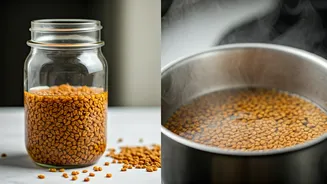
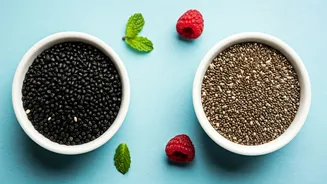
Delve into the origins of these tiny powerhouses. Sabja seeds, derived from sweet basil, are a time-honored addition to Indian beverages like falooda and
sherbets, prized for their rapid gelling and cooling sensation. Conversely, chia seeds, from the Salvia plant, are a more recent global health trend, popular in smoothies and puddings, and require a slightly longer soaking time to achieve their characteristic gel-like texture. While visually similar when hydrated, their preparation and absorption rates differ, impacting their immediate use and feel.
Cooling Capabilities Compared
When scorching temperatures hit, the immediate need for cooling is paramount. Sabja seeds emerge as the champion in this regard. Traditional Indian medicine has long utilized basil seeds for their remarkable ability to calm the body's internal heat and alleviate discomfort associated with fevers and digestive irritation. Scientific reviews highlight their bioactive compounds as key to this soothing effect. Chia seeds, however, are not primarily recognized for their cooling properties; their strengths lie more in their sustained metabolic and nutritional contributions, focusing on aspects like blood sugar regulation and overall digestive health rather than an instant cooling effect.
Hydration and Digestive Ease
Both sabja and chia seeds are excellent at absorbing water, playing a vital role in keeping you hydrated. Sabja seeds, however, are often perceived as lighter on the stomach. Anecdotal evidence and nutritional insights suggest they can significantly aid in reducing acidity and bloating, common summer woes. Nutritionist Shalini Sudhakar points out that sabja seeds can absorb up to 15 times their weight in water, contributing substantially to body cooling. While chia seeds are fiber-rich and beneficial for long-term digestion, their denser nature might feel slightly heavy for some individuals during hot weather, especially if not properly soaked.
Nutritional Showdown: Who Wins?
For a nutritional boost, chia seeds are generally considered more nutrient-dense. Comparative studies reveal they offer higher concentrations of protein, iron, magnesium, and phosphorus. These elements are crucial for sustained energy levels and promoting satiety. Sabja seeds, while not as protein-rich, are still valuable. They are abundant in dietary fiber, antioxidants, and essential minerals, positioning them as a functional food that supports overall health. This means sabja seeds contribute to well-being in different ways than the energy-providing nutrients found in chia seeds.
Summer Serving Suggestions
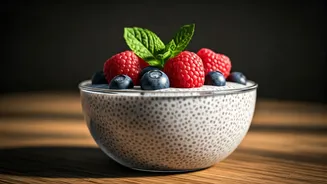
Incorporating these seeds into your summer diet is simple and refreshing. Sabja seeds are perfect for quick, light beverages. Due to their rapid gelling (about 10–15 minutes), they easily mix into drinks like cooling nimbu pani, fragrant rose sherbet, or hydrating coconut water, adding a subtle texture and cooling sensation. Chia seeds, with their slightly slower preparation and thicker gel, are ideal for more substantial preparations. Think overnight puddings, breakfast bowls, or thick, nutrient-packed smoothies, where their texture and sustained energy release are most beneficial.
Your Best Summer Seed Choice
The ultimate choice between sabja and chia seeds hinges on your immediate summer goals. If your priority is to combat the heat effectively and achieve a sensation of internal coolness, sabja seeds are your go-to. Their traditional use for managing body heat and their lighter, quicker preparation make them ideal for immediate relief. For those focusing on building nutritional reserves, enhancing satiety, and promoting long-term digestive health, chia seeds offer a more robust nutritional profile. Ideally, your summer diet can benefit from the inclusion of both seeds, utilized for their distinct strengths to provide both cooling comfort and sustained nourishment.