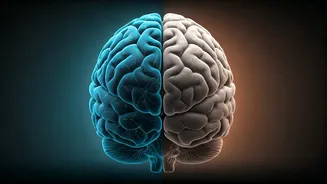

Understanding Mental Health
Mental health encompasses emotional, psychological, and social well-being. It influences how we think, feel, and act as we cope with life's challenges.
The significance of mental health cannot be overstated; it significantly impacts relationships, physical health, and overall quality of life. Understanding the various aspects of mental well-being allows people to recognize when they or someone they care about may be struggling. Identifying early warning signs and symptoms helps individuals to be proactive in seeking assistance. This approach to mental health involves creating a supportive and open environment for conversations about mental health issues. Building awareness promotes self-awareness, enabling a person to better manage their mental state and the circumstances affecting it. It includes regular self-reflection, incorporating mindfulness, and being aware of internal emotional states. This foundational understanding is the first step towards a journey of improved mental well-being and a better quality of life.
Managing Stress Effectively
Stress is an inevitable part of modern life; however, managing it is key to maintaining mental health. Prolonged stress can lead to several problems. It can contribute to anxiety, depression, and physical ailments. Some effective strategies for managing stress include practicing relaxation techniques such as deep breathing exercises or meditation. Regular physical exercise is also a proven way to reduce stress levels, as it releases endorphins, which have mood-boosting effects. Moreover, engaging in hobbies and activities one enjoys provides a much-needed break from stressors and enables a healthier work-life balance. Building a strong social support network is another vital element of stress management. Talking to friends, family, or a therapist about feelings and concerns can alleviate stress. Learning to set boundaries in personal and professional life helps prevent becoming overwhelmed. Establishing clear limits on work hours and avoiding over-commitment makes it easier to manage responsibilities and protect mental health.
Building Emotional Resilience
Emotional resilience is the capacity to bounce back from adversity, adapt well to stress, trauma, tragedy, threats, or significant sources of stress. This important skill allows individuals to thrive in the face of difficulties. Building emotional resilience involves several crucial strategies. Developing a strong sense of self-awareness is the starting point. This means recognizing one’s emotions, strengths, and weaknesses. Cultivating optimism and a positive outlook is another vital aspect. Focusing on the positives and maintaining hope, even during tough times, improves coping ability. Building strong social connections provides a support system when challenges arise. Engaging in healthy coping mechanisms like exercise, mindfulness, and creative activities, reduces the adverse impacts of stressful situations. Learning to accept change, viewing challenges as opportunities for growth, and seeking professional help when needed, are further helpful strategies. By developing emotional resilience, individuals can navigate life's challenges and emerge stronger and more capable of managing future difficulties.
Nurturing Healthy Relationships
Relationships have a major impact on mental well-being. Maintaining healthy relationships with family, friends, and partners is essential. These relationships provide support, companionship, and a sense of belonging. Communication plays a pivotal role in strengthening relationships. Open and honest communication helps resolve conflicts, express feelings, and build trust. Setting healthy boundaries protects both individuals and ensures mutual respect. Practicing empathy helps understand others' perspectives, enhancing connection and reducing misunderstandings. Spending quality time together, engaging in shared activities, and offering emotional support are vital for fostering strong bonds. Being able to offer support during difficult times, and accepting support in return builds resilience and strengthens relationships. Recognizing that relationships change over time and adapting to those changes is key. Prioritizing healthy relationships contributes to increased happiness, a stronger sense of purpose, and an improved overall quality of life.
Seeking Professional Help
Knowing when to seek professional help is a sign of strength, not weakness. Recognizing the need for support is a critical step in addressing mental health concerns. There are many signs that one should seek professional help. These may include persistent feelings of sadness, anxiety, or hopelessness. Other signs include difficulty sleeping, changes in appetite, and social withdrawal. If these symptoms interfere with daily functioning, such as work, school, or relationships, it's especially important to seek help. A mental health professional, such as a therapist or psychiatrist, can provide a diagnosis, therapy, and, if needed, medication. Therapy, or counseling, provides a safe space to explore feelings, develop coping strategies, and work through challenges. Medications can help manage symptoms, especially when combined with therapy. It is always acceptable to ask a doctor for a referral, or research online. Early intervention is often more effective, underscoring the importance of reaching out when issues arise.