





The Stifling Heat
As summer intensifies, many homes transform into unbearable hotboxes. The very structures designed to shelter us become conduits for intense heat, radiating
discomfort long after the sun has set. Ceilings become scorching surfaces, and even powerful fans struggle to circulate anything but heavy, stifling air. This pervasive warmth isn't an illusion; it's the direct consequence of roofs absorbing solar energy throughout the day and steadily releasing it indoors. While air conditioners provide a temporary fix, their escalating financial and environmental costs necessitate a re-evaluation of our building practices, prompting an urgent search for more sustainable cooling solutions.
Timeless Cooling Hack
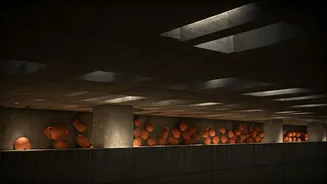
The solution to sweltering homes might be simpler and more ancient than we think, quite literally embedded within our architecture. The ingenious filler slab technique revives a time-honored building practice that leverages the insulating properties of everyday clay pots. In this method, hollow clay pots are strategically placed upside down within the concrete roof structure before it solidifies. Once the concrete cures, these embedded pots create a network of small, trapped air pockets throughout the slab. These air pockets act as a natural thermal barrier, significantly impeding the flow of heat from the hot roof surface into the living spaces below. Furthermore, by reducing the amount of concrete required, the overall heat absorption and retention capacity of the roof is diminished, and the inherent thermal resistance of clay itself further contributes to keeping interiors significantly cooler, potentially by as much as 50% without any active cooling systems.
Comfort & Savings
The profound impact of this filler slab approach extends far beyond mere temperature reduction, offering a cascade of benefits rooted in its inherent simplicity and affordability. Clay pots are readily available across India and are exceptionally cost-effective, making this technique accessible to a wide range of homeowners. The absence of complex technology or specialized equipment further simplifies its adoption. The most significant advantage is the dramatic decrease in reliance on energy-intensive air conditioning, which translates directly into lower electricity bills for households. This reduction in power consumption also contributes to a smaller carbon footprint, aligning with global efforts towards environmental sustainability. Beyond summer cooling, the air pockets created by the clay pots provide a dual benefit: they also help retain warmth during the colder months, ensuring a more comfortable living environment throughout the year, making it a truly climate-smart and economical building solution.
Reimagining Construction
Contemporary construction often prioritizes rapid development and standardized aesthetics, sometimes at the expense of designs that are attuned to local climates. However, long before the advent of modern cooling appliances, traditional Indian architecture masterfully incorporated environmental responsiveness into its designs. Techniques like the filler slab exemplify this ingenuity, demonstrating how communities historically adapted to their surroundings in sustainable and clever ways. The resurgence of such traditional wisdom underscores that effective solutions to contemporary challenges don't always necessitate novel inventions; often, they lie in rediscovering and adapting proven methods. As urban areas grapple with escalating temperatures and energy demands, embracing such subtle yet impactful shifts in construction practices holds the potential for substantial improvements in our quality of life and the health of our planet.