





Zimbabwe's Batting Prowess
Zimbabwe's batting unit displayed exceptional game management on a slow Premadasa track, formulating a robust plan to set Australia a challenging target
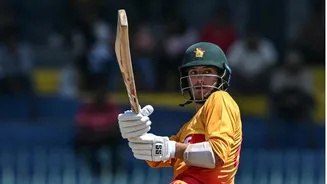
of 170 runs. Recognizing the pitch's sluggish nature, they focused on maximizing their scoring opportunities during the powerplay while ensuring they didn't squander wickets. Tadiwanashe Marumani provided crucial early impetus, injecting pace into the innings between the third and sixth overs, contributing to a valuable 47 runs in the first six overs. This solid foundation allowed them to navigate the middle overs effectively. Despite the absence of experienced player Brendan Taylor, opener Brian Bennett anchored the innings with an unbeaten 64 off 56 balls, a testament to their focus on developing talent through age-group programs. Ryan Burl also played a vital role, showing patience against the Australian spinners and contributing to a significant 82-run partnership for the loss of only two wickets in the middle overs. Sikander Raza's timely contributions at the end further bolstered the total, ensuring Zimbabwe reached a competitive 169 for 2, a score that proved formidable on the challenging surface.
Bowling Attack Dominates
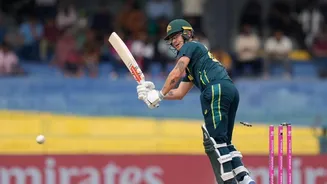
Following their impressive batting display, Zimbabwe's bowlers, mentored by pace legend Courtney Walsh, executed a near-flawless strategy to dismantle Australia's batting order. Blessing Muzarabani and Brad Evans spearheaded the attack, targeting Australia's top order with precision and aggression on the slow wicket. Muzarabani, a towering fast bowler with ambitions to surpass national records, utilized his pace and bounce to trouble Australian batsmen. He dismissed Josh Inglis with a sharp delivery that found the fine-leg fielder and Tim David with another aggressive bouncer that was top-edged. Evans, a seasoned seamer and death-over specialist, chipped in by getting Cameron Green to nick one to the wicketkeeper and trapping Travis Head lbw. This early onslaught left Australia reeling at 29 for 4, making their chase an uphill battle. Even with key players like Glenn Maxwell and Matt Renshaw attempting to stabilize the innings, the pressure from Zimbabwe's disciplined bowling attack proved too much. Maxwell's dismissal attempting a big shot and Renshaw's eventual catch at mid-off sealed Australia's fate, highlighting Zimbabwe's superior control of the game.
Key Player Performances
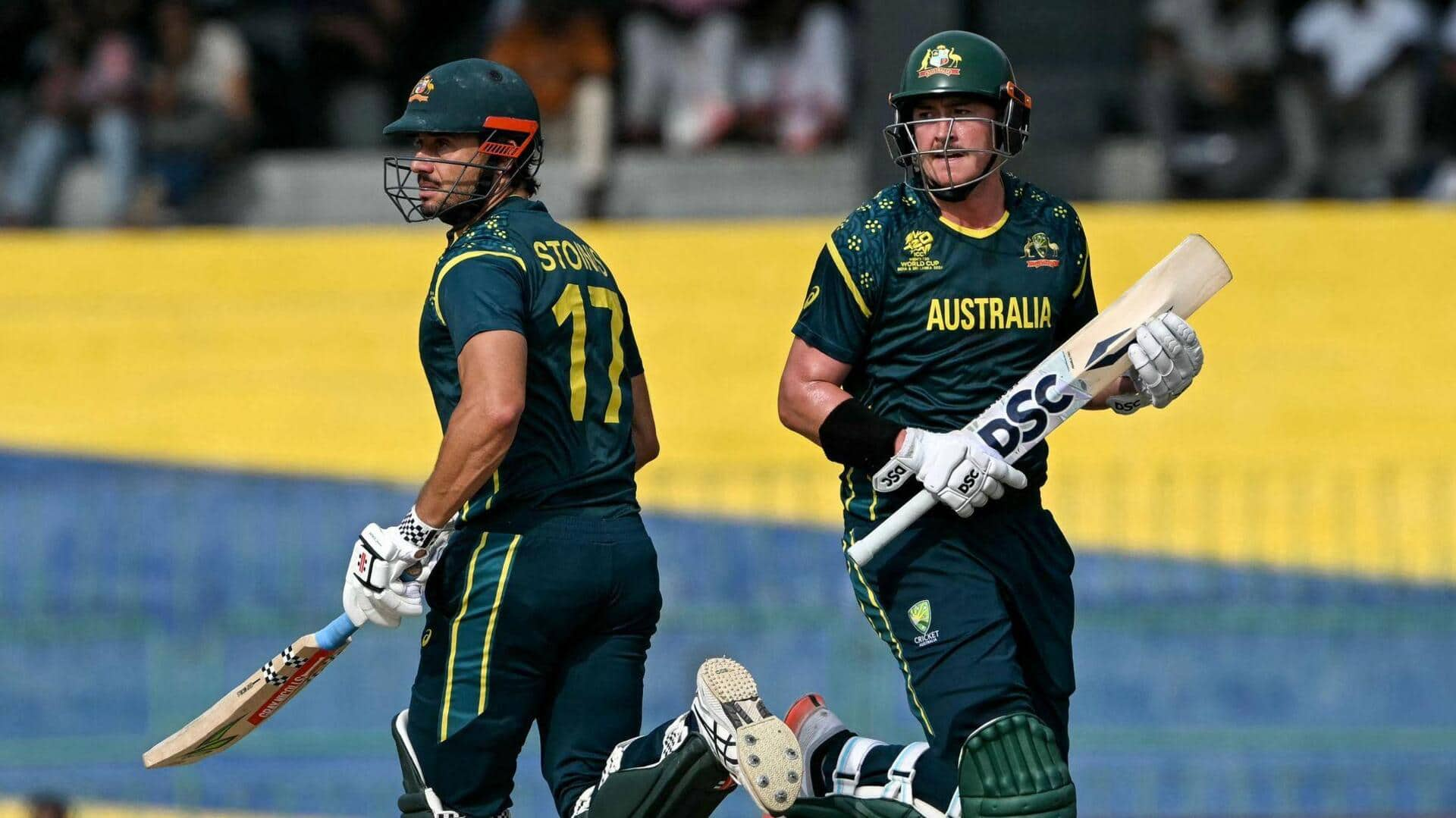
Several Zimbabwean players delivered performances that were critical to their memorable victory. Blessing Muzarabani, standing nearly six-foot-five, showcased his potential as a future star, his pace and bounce proving particularly effective against the Australian top order. His inclusion, along with his fast-bowling partner Richard Ngarava (who missed the match due to a niggle), forms a formidable pace attack. Brad Evans, a dependable seamer and their go-to bowler at the death, also made crucial breakthroughs early on. On the batting front, Brian Bennett was the bedrock of the innings, playing a mature knock of 64 not out. His ability to anchor the innings, especially in the absence of experienced players, was instrumental. Ryan Burl's patient approach against the spinners and his vital partnership in the middle overs demonstrated his tactical understanding of the game. Glenn Maxwell and Matt Renshaw of Australia attempted a recovery, forming a 77-run partnership, but Maxwell's dismissal off Ryan Burl's bowling and Renshaw's inability to take the team home in the final overs, eventually falling to Muzarabani, underscored Zimbabwe's dominance.
Strategic Brilliance Unveiled
Zimbabwe's triumph was a masterclass in strategic planning and execution, especially on a surface that demanded adaptability. Their coaching staff, including consultant Courtney Walsh, instilled a disciplined approach that paid dividends. From the outset, they understood the importance of restricting Australia during the powerplay, and their fast bowlers were tasked with exploiting any early movement or bounce. The batting order strategically prioritized building a platform, with Tadiwanashe Marumani providing the initial acceleration and Brian Bennett then consolidating. Crucially, they adapted their approach in the middle overs, scoring freely while managing risk, which is often the deciding factor on slower wickets. When bowling, they maintained pressure, targeting Australia's weaker batsmen and exploiting their vulnerabilities to the short ball. The dismissals of Inglis and David to sharp bouncers, and the early loss of Green and Head, illustrate a well-executed plan to negate Australia's power-hitters. The decision to persist with spin in the middle overs, coupled with disciplined fielding, further stifled Australia's chase, ultimately leading to a 23-run victory that signals Zimbabwe's serious ambitions in the tournament.